Night Formula 1 Circuits: The Key Skills Every Driver Should Have
F1 Grand PrixTuesday, 07 July 2026 at 06:04
Formula 1 has become one of the biggest sports in the world. Ever since their Netflix show came out, namely "F1: Drive to Survive", this sport has received so much more attention.
Sure, the time of Michael Schumacher was already big but now, people who aren't even the biggest F1 fans know everyone on the grid. It's not just Max Verstappen and Lewis Hamilton, it's also about Lando Norris, Oscar Piastri and Alex Albon.
See? Even the younger generation is well-known. But more than the drivers, it's the circuits that are also often spoken about and analysed.
There are three key circuits that often get dissected. More than the ever-wet Silverstone track and the incredibly tight Monaco circuit. These three are the ones that take place at night.
Driving an F1 car is already almost impossible even on a good day but if you add city lights only and the glare from lights, it can get really confusing. This is why drivers who can expertly manoeuvre these are seen as champions.
Focus and Visibility in Night Conditions
The reason night races are spoken about so much is that they're so difficult. A key part of performing well at night is maintaining strong focus while dealing with changing visibility.
Under artificial lighting, track surfaces can appear slightly different from one section to another, which means drivers need to stay alert and read conditions continuously. Some drivers also consider practical aids, such as using glasses for night driving when travelling or preparing between sessions, helping maintain visual comfort and clarity in low-light situations, which is ideal. Honestly, anything to help during these situations is worthwhile.
Navigating Marina Bay Street Circuit
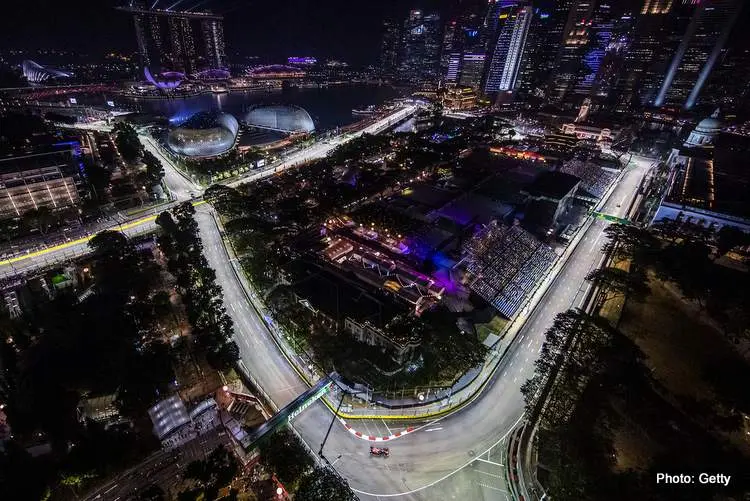
Marina Bay Street Circuit in Singapore is widely recognised for its tight layout and demanding street conditions. The circuit requires careful control, as barriers sit close to the racing line and leave little room for error.
Lighting across the circuit is strong but uneven in certain sections, which can make depth perception more challenging. Drivers need to adjust quickly between bright zones and areas of shadow, maintaining smooth inputs to preserve stability. Drivers who perform well at Marina Bay are those who can stay super focused throughout.
Managing Speed on the Las Vegas Strip Circuit
The Las Vegas Strip Circuit stands out for its combination of long straights and high-speed sections for the F1 drivers, set against a bright city backdrop. The circuit encourages confident driving but also requires careful control when transitioning into heavy braking zones.
One of the main challenges is maintaining stability after extended periods of acceleration. Drivers must stay prepared for sudden deceleration points while keeping the car balanced at high speed.
Yas Marina Circuit Requires Full Focus and Full Throttle
Yas Marina Circuit in Abu Dhabi offers a flowing layout that rewards smooth driving. The circuit blends medium-speed corners with longer straights, making balance an essential part of performance.
Night conditions create a clean visual environment but drivers still need to adjust to subtle changes in lighting between sections. However, this race often starts in the evening, so at first it's not pitch dark but then it gets darker, which is another thing that drivers need to get used to.
Core Skills for Night Circuit Success
The thing about skills is that you almost need the same ones in night races as you do in day races; however, they're just heightened with night races. You really need to be on your best behavior, for lack of a better description, when it comes to night races.
Also, a funny one is that night circuits reward drivers who can combine technical precision with calm decision-making but also who have a lot of experience, such as the Hamiltons and the Hulkenbergs of the drivers.

Latest News








Loading