Christian Horner-led group poised to buy 24% of Alpine as shares become available?
F1 NewsWednesday, 08 July 2026 at 17:24
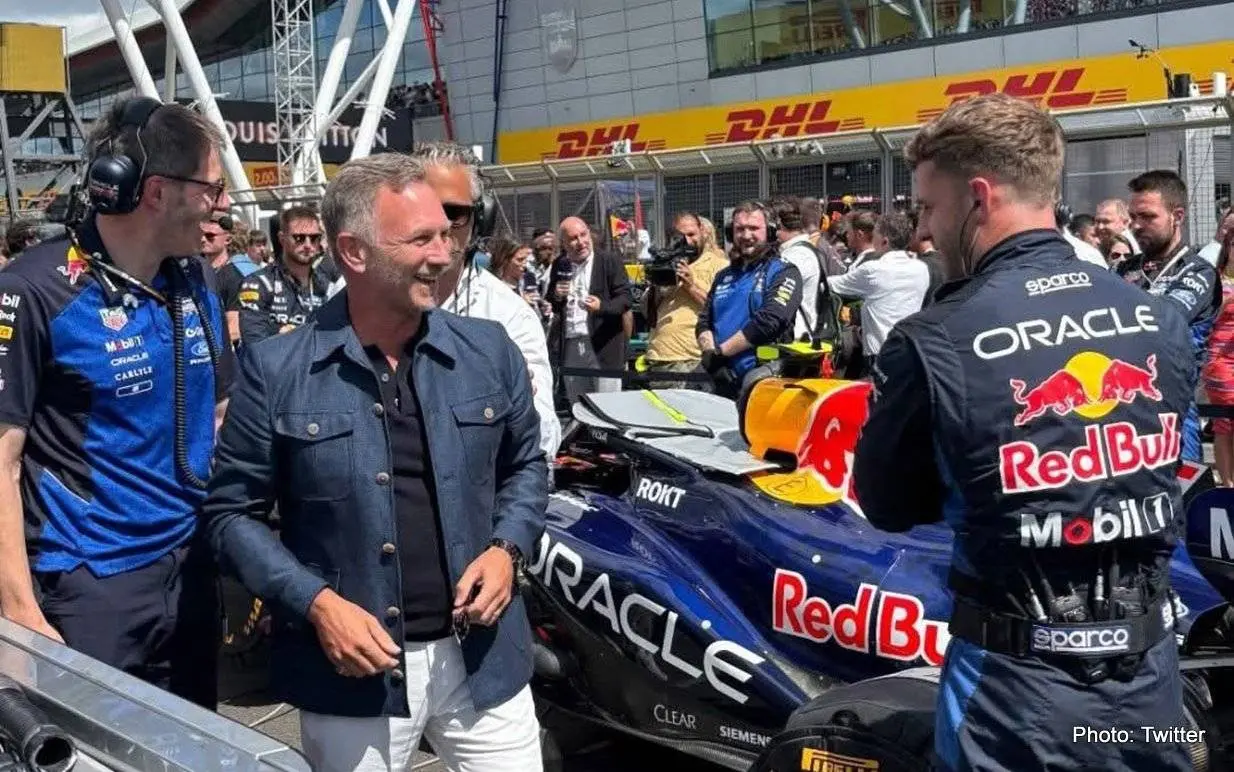
Christian Horner’s Formula 1 comeback trail may now run through Alpine, with Renault confirming that a 24% stake in the team is back on the market.
The shareholding, sold in 2023 to an Otro Capital-led investor group for €200 million, is available again subject to Renault approval. Former Red Bull boss Horner has been linked with interest, but Renault CEO Francois Provost says there have been no discussions yet.
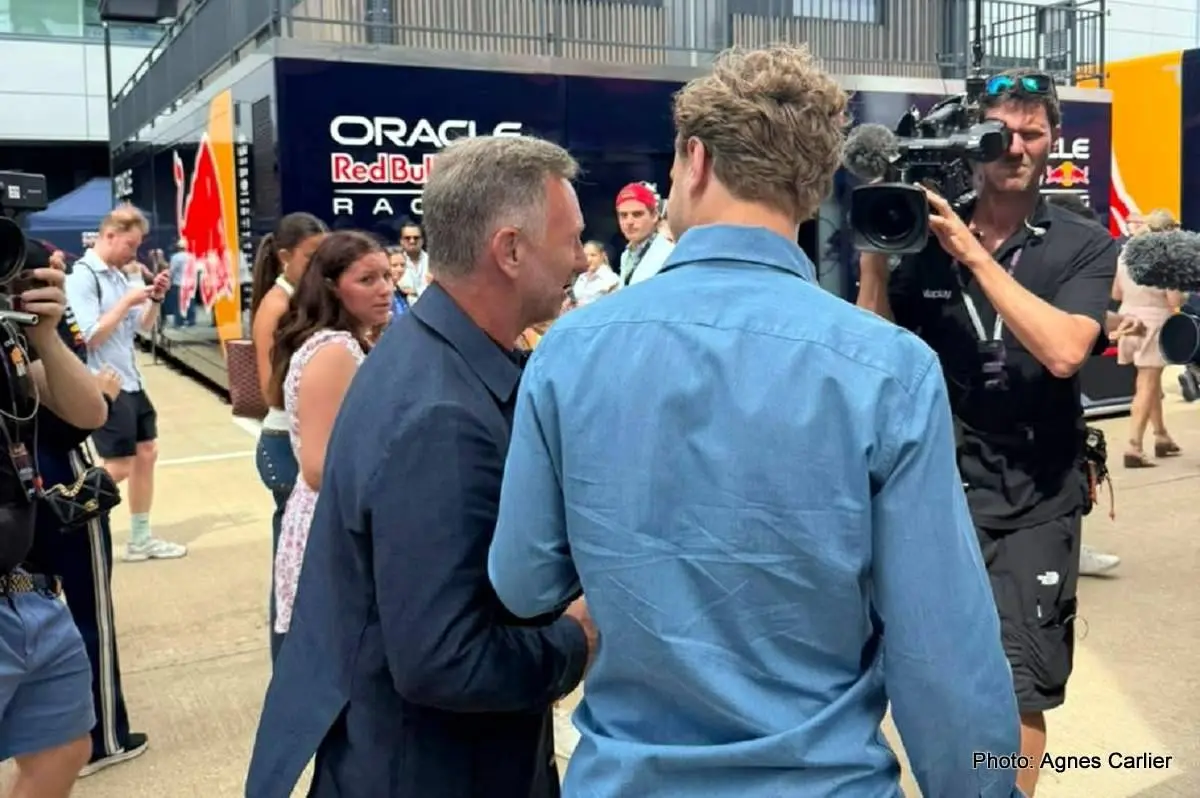
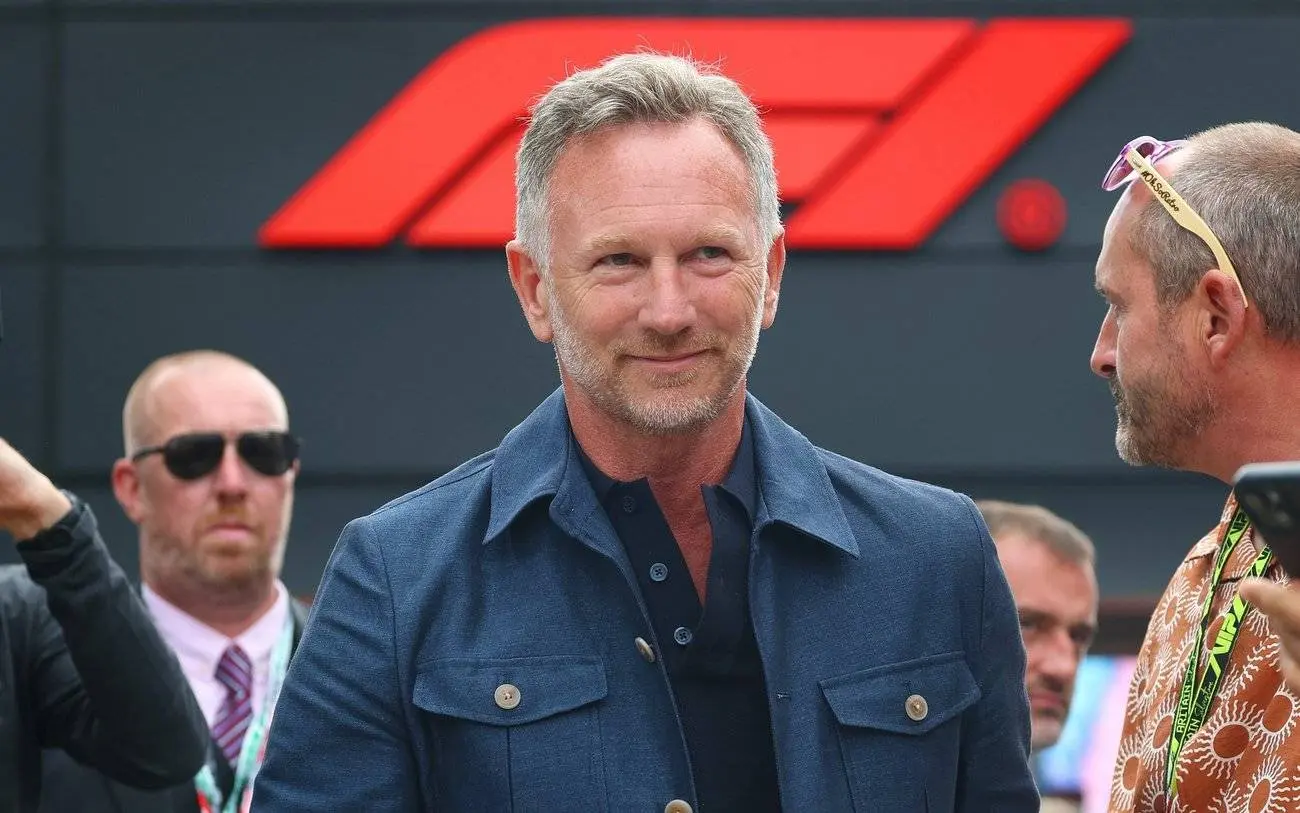
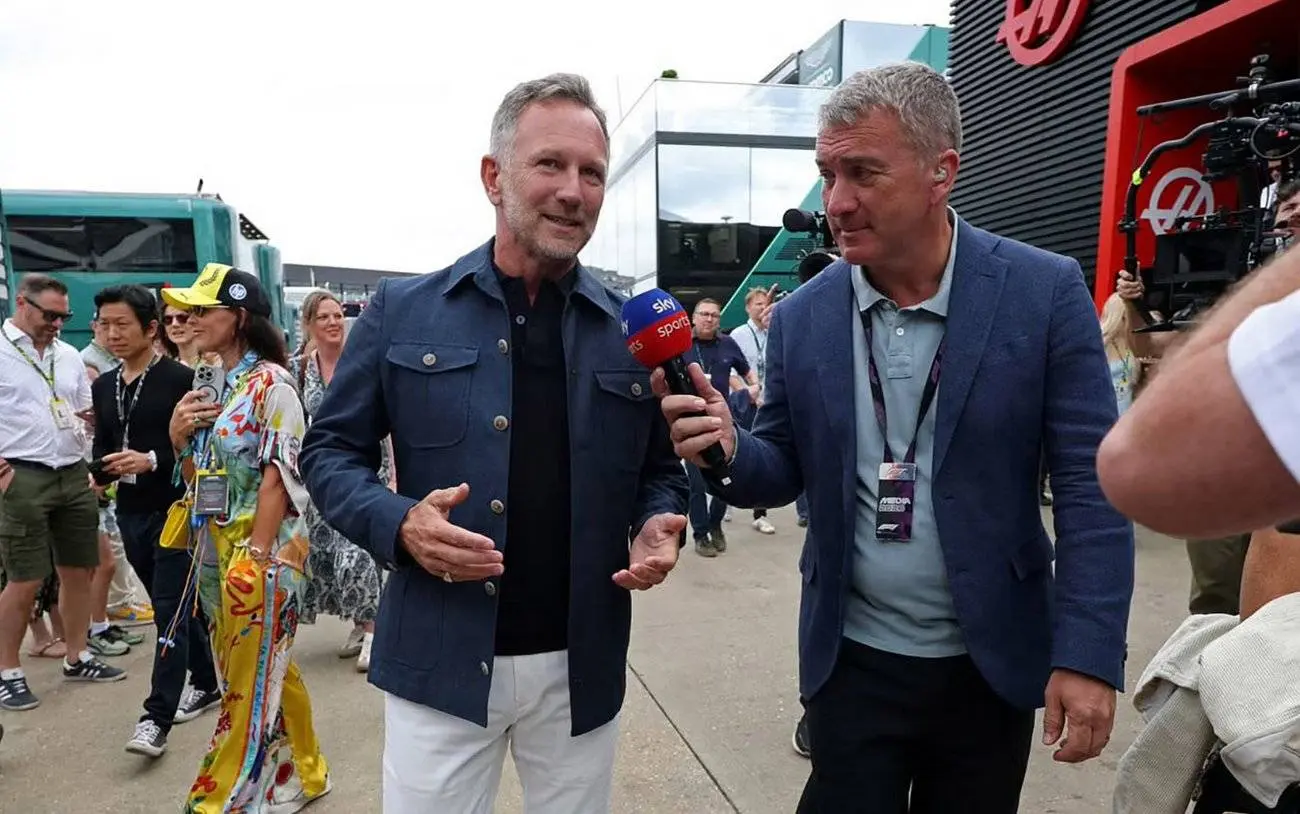
That has not stopped paddock speculation from growing. Horner’s return to the Formula 1 paddock at Silverstone last weekend, after a year away, was the biggest off-track story of the British Grand Prix.
Provost has made clear that Renault’s first job is not selling dreams about three-year or five-year plans. The French carmaker’s priority is to stop Alpine drifting and rebuild competitive stability.
Alpine were last overall in the 2025 Formula 1 Constructors’ Championship. This year, they are fighting for fifth of 11 teams, but sit only one point clear of sixth-placed Racing Bulls.
Pierre Gasly’s Monaco podium remains subject to appeal, adding further uncertainty to Alpine’s current position. But Provost insists the recovery under Flavio Briatore and Steve Nielsen is real.
Provost told Reuters at Silverstone: “My unique priority today is to stabilise the team, set a strong foundation for the team and start to recover this year, which is the case. Our objective is P6 minimum. This is the first stage. Based on this we’ll set our new vision, our new ambition.”
Horner link adds heat to Alpine stake sale

It is a striking reset for a team once wrapped in timelines and promises. Alpine are no longer selling long-range ambition first. They are trying to prove they can function.
The intrigue comes from timing. Horner is now at Oakley Capital, whose sports ambitions make Alpine’s available minority stake an obvious paddock talking point.
Oakley Capital founder and managing partner Peter Dubens said when Horner joined: “Christian Horner is widely recognised as a highly successful leader in global sport. His track record, expertise and commercial instinct will be invaluable as we continue to scale our sports portfolio.
“We are increasingly drawn to businesses in this space that share the hallmarks of a typical Oakley investment: founder-led, high-growth and supported by resilient revenues, or under-commercialised ‘scarce’ assets with significant untapped potential.
“We look forward to working with Christian in order to unlock these opportunities," Dubens said at the time of the appointment.
That final phrase matters. Formula 1 teams are now scarce, valuable, global sporting assets. Alpine also look under-commercialised compared to F1’s front-running brands.
Renault still controls the team, and Provost has stressed there is no rush over the 24% stake. But the logic of a Horner-linked group circling Alpine is obvious enough to stir the paddock.
Provost, previously Renault’s chief procurement officer, became CEO last year after Luca de Meo left for luxury group Kering. Since then, Kering’s Gucci brand has been announced as Alpine’s title sponsor from 2027.
Provost: Renault are staying in F1

That deal strengthens the commercial picture. So does Formula 1’s wider boom, which Provost sees as proof that younger audiences remain highly interested in cars.
But he made clear that planning can only begin properly once Alpine are stable again. The team have been through five bosses in four years from 2021 to 2024.
Provost said: “When the team is completely lost, when you are nowhere, first you have to set very short-term priorities and refocus the team on delivering very concrete things. This is what I call the one-year plan.
“It is doing well on the performance side and it is doing well on the sponsorship side, so I’m reasonably satisfied but humble. I know that the journey will be a long way," was his blunt assessment.
Alpine are improving, but Provost is not pretending the team are fixed. The old Renault swagger has been replaced by caution. The technical reset is just as important. Alpine are now using Mercedes engines after Renault ended its F1 power unit programme at Viry-Châtillon outside Paris.
That decision remains emotional for many in France. But Provost sees Mercedes power as a key part of Alpine’s immediate recovery. He also ruled out a Renault engine comeback when sustainably fuelled V8 engines are expected to arrive from 2031. That shuts down another potential long-term distraction.
Provost said: “I don’t want to disturb the team and everyone with uncertainty. There is a clear reference today, I do not develop engines for Formula 1. We have the Mercedes engine which is a good engine. It’s clearly a trigger of our recovery this year.”
Briatore role not changing

For any incoming investor, that clarity matters. Alpine are no longer trying to fix the chassis, the management structure, and an underperforming works engine project at once.
Provost also made clear that Briatore’s role will not change. The title-winning former Renault team boss was brought back by de Meo and remains central to Alpine’s rebuild. That may be important if a Horner-linked investment group does emerge. Renault appear open to investment, but not to another management upheaval at Enstone.
Horner’s own credentials are obvious. He oversaw eight World Drivers’ Championships and six Constructors’ titles during Red Bull’s rise into an F1 superpower. His final 18 months at Red Bull were dominated by off-track controversy before his exit. But his Silverstone return showed he remains one of F1’s most influential figures.
FIA President Mohammed Ben Sulayem added to the intrigue when asked whether Horner would return to Formula 1. He replied: “Yes.” Pressed on whether that return was likely, Ben Sulayem added: “He will get back. Where is not for me to say – even if I know. It is for him to say.”
For now, Alpine have a stake for sale, Renault approval is required, and Provost says there have been no talks. But in Formula 1, timing rarely goes unnoticed.
Horner is back in the paddock conversation. Alpine are rebuilding, Mercedes-powered, Gucci-backed, and commercially interesting. The next question is whether that 24% stake becomes his route back into the sport.
Latest News
Loading