Formula 1 is into its biggest technical change in more than a decade. The 2026 season will mark the start of a completely new era, with changes to engines, aerodynamics, car size and even the way races feel.
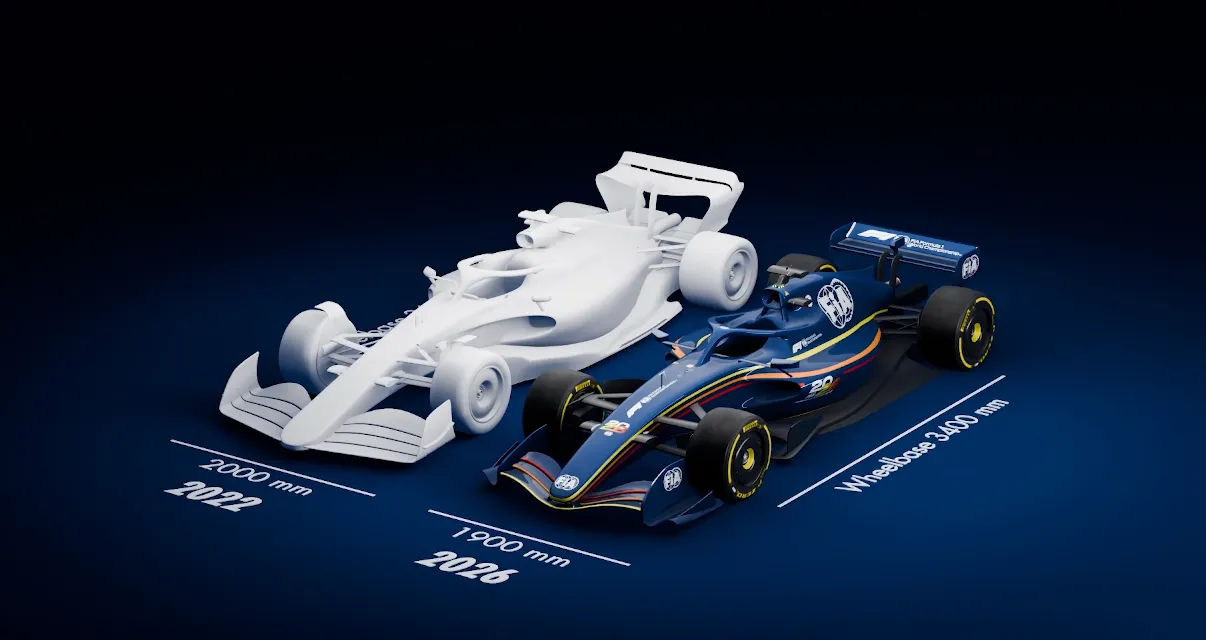
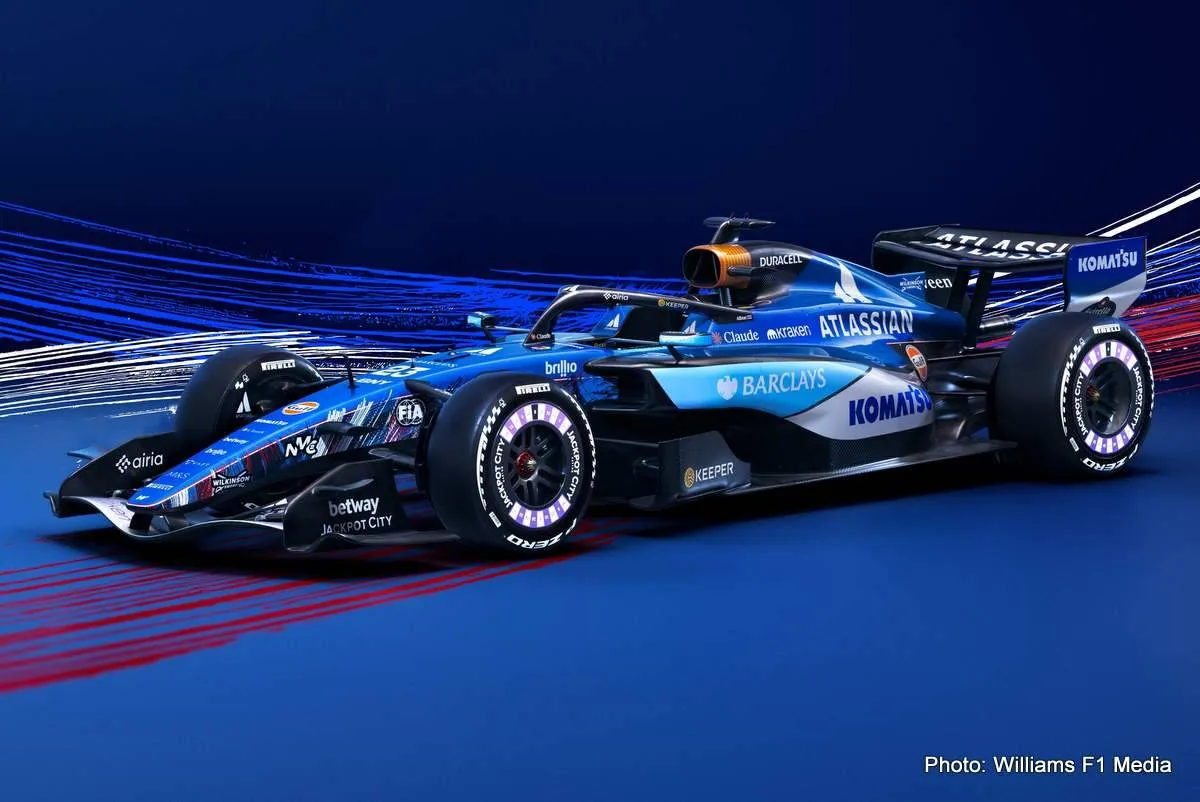
Cars are lighter and smaller. This was the goal. The FIA wants to make F1 more exciting, more sustainable and less predictable. That is why the new rules are already being called a “reset” for Formula 1.
One of the biggest problems in modern F1 is that the cars have become huge and heavy. This makes it harder for drivers to attack on narrow tracks, and wheel-to-wheel racing often disappears.
In 2026, this should change:
- cars will become shorter;
- width will be reduced;
- weight will drop by around 30 kg.
The FIA wants to bring back more agility and a more aggressive racing style to Formula 1. This should be especially useful on tracks like Monaco and Singapore, where modern cars often look too bulky. For fans who closely follow racing statistics and motorsport trends—much like users exploring betting apps for 18 year olds to engage with sports in new ways—these changes could make races more exciting and unpredictable.
Active Aerodynamics Will Change Racing

The most radical new feature is active aerodynamics. In the past, DRS only opened the rear wing in certain zones. The cars will be able to switch between different aerodynamic modes depending on the part of the track.
F1 cars will have two modes:
- a high-downforce mode for corners;
- a low-drag mode for straights.
This should:
- increase top speed;
- make overtaking easier;
- make races more dynamic.
In practice, Formula 1 is moving toward “smart” cars that adapt to the track during the lap.
Engines Will Become More Electric

In 2026, Formula 1 will take a big step toward electrification. The new power units will have an almost equal split between combustion power and electric power.
F1 will also fully switch to advanced sustainable fuel, which is part of its plan to reach net zero by 2030.
These changes have already attracted new manufacturers:
- Audi;
- Cadillac;
- Ford.
That is why 2026 could completely change the balance of power in the championship.
Teams Are Facing a Full Reset

Changes this big almost always create chaos in the first seasons. The teams that adapt to the new rules faster will get a huge advantage.
That is why experts Casino18.net are already predicting:
- a drop-off for some top teams;
- new title contenders;
- a possible end to Red Bull’s dominance.
Something similar happened in 2014, when the new hybrid engine era allowed Mercedes to control Formula 1 for years.
The Future of Formula 1 Has Already Started
2026 will not be just another season. It will be the start of a new chapter in F1 history. Smaller cars, active aerodynamics, new engines and the arrival of major carmakers could completely reshape the championship.
And while fans are still debating whether the new rules will work, one thing is already clear: Formula 1 will no longer be the same.

Latest News
Loading