Formula 1 2026: Spotlight on all the major technical and regulatory changes
F1 NewsTuesday, 06 January 2026 at 06:28
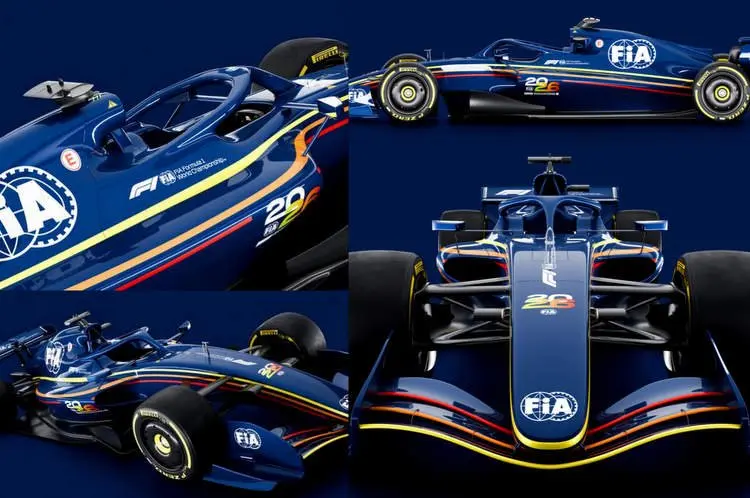
Formula 1 power Units will have more electric power, simpler architecture, sustainable fuel and a whole lot more.
The 2026 season will mark a true turning point for Formula 1. This is not a minor regulatory adjustment, but a comprehensive overhaul affecting power units, aerodynamics, dimensions, weight, tyres, and even certain operational aspects of Grand Prix weekends.
The stated objectives are clear: make cars more agile and less sensitive to turbulent air, significantly increase the role of electrical power, and further strengthen sustainability and safety.
The most visible revolution concerns the power unit. The 1.6-litre V6 turbo introduced in 2014 remains the foundation, but the balance between thermal and electrical components changes dramatically.
Electrical output increases substantially, with the MGU-K (the motor-generator connected to the crankshaft) reaching around 350 kW, while the MGU-H (linked to the turbocharger) is removed altogether—one of the most complex and expensive elements of the current hybrid era.
This decision has two major consequences. On one hand, it simplifies the power unit and potentially lowers barriers to entry for new manufacturers. On the other, it forces teams to rethink energy management and deployment strategies, as the electric component becomes central not only to performance but also to overall efficiency.
From a sustainability perspective, the regulations mandate the use of advanced sustainable fuels. This is far more than a symbolic gesture: the challenge lies in ensuring high performance while preserving the core identity of Formula 1.
Aerodynamics: farewell to DRS, welcome to active aero
In 2026, the traditional DRS system will be replaced by a form of active aerodynamics involving both front and rear wings, operating through different configurations during a lap. The concept serves a dual purpose: reducing drag on straights while increasing downforce in corners, and—crucially—allowing cars to follow each other more closely by reducing sensitivity to disturbed airflow.
The FIA’s concept outlines “low-drag” and “high-downforce” modes, giving drivers a more active role in managing the car’s behaviour and energy use in combination with the hybrid system. Rear wing architecture will also change, with simpler yet active solutions, while the overall aerodynamic package is designed to minimise performance losses when running in traffic.
The “nimble car concept”: smaller, lighter, more responsive cars
In recent years, Formula 1 cars have steadily grown larger and heavier. The 2026 regulations aim to reverse this trend. Cars will be more compact and lighter, with revised dimensional limits and a reduced minimum weight target. This has implications across the entire design: radiator layout, suspension packaging, weight distribution, tyre management, and even driving style.
Tyres themselves will also change, with revised dimensions consistent with the goal of reducing mass and improving agility. In Formula 1, tyres and aerodynamics function as a single system—altering one without the other rarely delivers the desired results.
Safety and compliance: continuous (and often invisible) evolution
Every major technical reset introduces new safety challenges. The FIA regulations include increasingly detailed requirements for construction, testing procedures, materials, and compliance checks, with precise definitions of reference volumes and surfaces to limit grey areas that previously encouraged extreme interpretations.
Many of these changes never make headlines. They are embedded in scrutineering methods, tolerances, and measurement techniques. Yet these details often determine whether a solution is innovative—or illegal.
Race weekends and operations: testing, logistics, and practical adjustments
The 2026 overhaul affects not only the cars but also seasonal preparation and certain operational rules. To support the transition, pre-season testing has been structured with specific sessions and venues, including phases at Barcelona and Bahrain.
On the operational side, the FIA has introduced temporary adjustments to certain limits—such as personnel allowances at circuits—to help teams cope with the complexity of the new regulations.
The calendar will also feature some unconventional scheduling. For instance, the Baku Grand Prix is expected to run on a Saturday in 2026, joining Las Vegas in a format driven by local and logistical requirements.
Sporting impact: more variables, more uncertainty—even in performance projections
When aerodynamics, power units, minimum weight, and tyres all change simultaneously, competitive order is often reshuffled. Historically, the opening phase of every new regulatory cycle in Formula 1 is marked by uncertainty: some teams interpret the rules correctly from the outset, while others need months to converge on the right concept.
This initial unpredictability complicates pre-season assessments, not only for teams but also for analysts and industry observers attempting to estimate relative performance and potential hierarchies. In this context, even comparative analyses found online—often grouped under the label formula one betting, understood here as the study of probabilities and performance trends rather than an encouragement to gamble—become less rigid and more sensitive to technical developments. They reflect a championship that, particularly in the early years of the new regulations, may produce outcomes that are far less predictable than in the recent past.
What to expect on track
The 2026 regulatory package promises lighter, more agile cars, aerodynamics that work better in close racing, and a hybrid system where electrical power plays a more decisive role than ever before. If the objectives are met, drivers will be more involved in managing complex systems, energy strategies will become more pronounced, and early-season development will have an outsized influence on results.
In short, Formula 1 is preparing for one of the most ambitious technical resets in its history—one that could redefine both the spectacle on track and the competitive dynamics of the sport for years to come.
Latest News


Loading