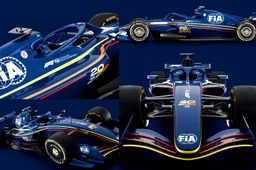
Virtual Formula 1 Simulations: Racing Meets Gambling
Special FeatureTuesday, 06 January 2026 at 05:12

Virtual Formula 1 simulations have exploded in popularity, blending blistering speed with the buzz of chance-based features that mirror real-world betting rooms.
Bookmakers often highlight trusted comparison portals, and by visiting zahranicnisazkovekancelare.org
enthusiasts secure smarter odds for Czech players. Fans across the border look
for casino flair too. Top casinos in Slovakia frequently showcase themed
lobbies where the adrenaline of a Grand Prix meets roulette wheels, and the
well-known Zodiac
casino stands out as reliable website for Slovaks.
The movement does
not stop at one nation. In many lobbies, international casinos welcome creative
payment options; jumping over to https://4vize.cz/ reveals easy ways to deposit
with Revolut without slowing down. Even wider collections of slot-style racing
titles appear when foreign casinos promote their https://cauldron.sk/
catalogs, luring newcomers with attractive bonuses that match the thrill of a
checkered flag. All
these touchpoints sit at the heart of an experience that
mixes strategic driving, calculated risk, and high-definition spectacle,
keeping players firmly strapped into their virtual cockpits.
From Real Tracks to Digital Circuits
Designers of Formula 1
simulators begin by studying telemetry pulled straight from the paddock.
Lap-by-lap they record tire degradation, fuel burn, and dynamic weather, then
feed those numbers into physics engines that decide how a virtual chassis
reacts when players tap the throttle.
The result is a driving model that feels
weighty yet forgiving, letting newcomers hug the racing line while still
punishing careless steering. Graphics teams complement this realism with
photogrammetry, scanning every kerb, grandstand, and crane camera around
world-famous circuits.
Once the lights go out on screen, players recognise the
slight bump exiting Monaco’s Casino Square or the shimmering heat haze over
Bahrain’s desert straight. To keep races exciting beyond pure lap times,
developers weave in progression loops. Cars collect upgrade tokens, liveries
unlock after successful over-takes, and season-long leaderboards track bragging
rights among friends.
Spectators can also earn broadcast points for directing
dynamic camera angles during league events. This interactive pit wall feature
turns every lobby into a mini e-sports studio for budding commentators. By
grounding fantasy in authentic data, simulators convert casual fans into
perpetual garage engineers.
The Psychology of Speed and Wagering
Adrenaline is only part of
why virtual racing keeps people clicking “next heat.” Human brains crave
uncertain rewards, a quirk psychologists call variable reinforcement. When a
driver darts out of a slipstream and nails a perfect pass, the game showers
them with surprise credits or packs of collectible cards.
Those unpredictable
payouts fire the same dopamine circuits that light up during traditional sports
betting. Developers recognize the overlap and now build optional wagering
modules into many simulators. Players can stake in-game currency on finishing
positions, safety-car appearances, or how many rivals will crash before lap
ten. Because these bets regenerate each session, curiosity replaces caution;
tomorrow may deliver the jackpot that never surfaced today.
Social features
amplify the rush. Friends gather in voice chat, cheer when odds swing, and
tease each other about daring prop bets. Studies show that shared risk elevates
heart rates even more than solo play, explaining why weekend tournaments
attract thousands to online arenas.
By harmonizing blistering pace with
bite-sized wagers, Formula 1 simulators transform passive spectators into
vocal, emotionally invested participants.
Technology Behind the Thrill
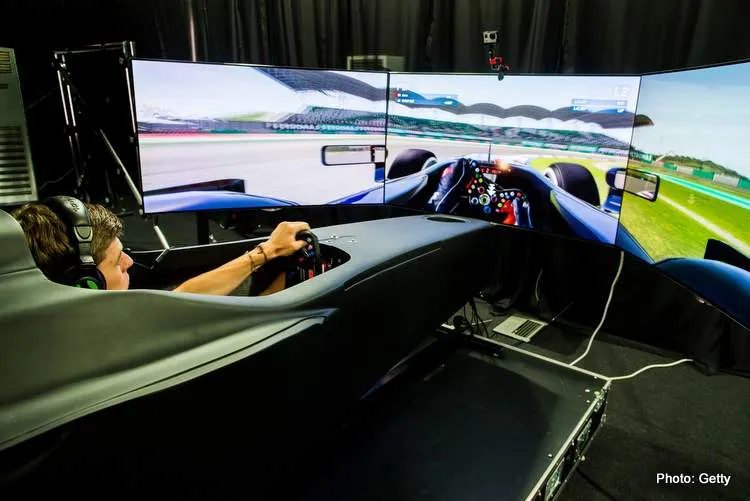
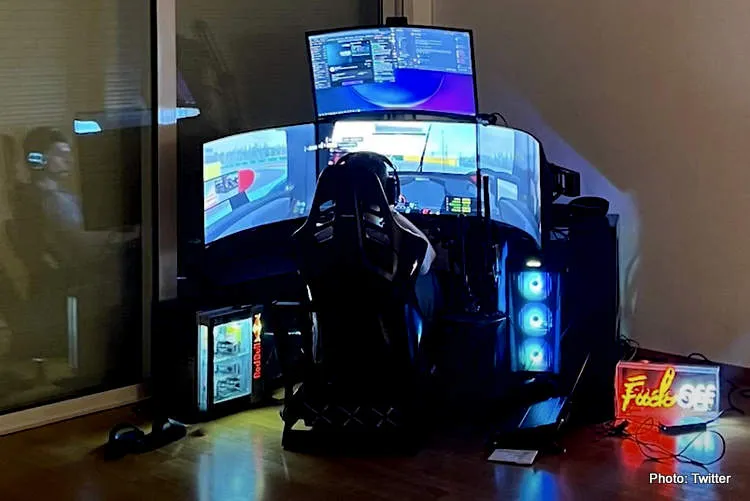
Haptic feedback is the
secret sauce that converts a living-room chair into a roaring cockpit. Modern
wheels include brushless motors strong enough to jolt a driver’s wrists when
they ride a kerb or lock a brake.
Pair that wheel with a motion platform and
the seat actually tilts under hard acceleration, matching G-force data computed
by the game’s physics layer. Visual immersion receives similar care. Ray-traced
lighting bathes carbon-fiber bodies in realistic reflections, while
high-dynamic-range skies shift from sunrise pink to twilight purple across long
endurance modes.
Behind the scenes, cloud servers crunch artificial intelligence
models that control rival cars. These agents learn from millions of archived
laps, choosing smarter pit strategies and defensive lines every update. For
competitive racers, low-latency netcode is just as vital. Peer-to-peer
prediction algorithms cancel out minor lag, so a decisive overtake never turns
into a phantom collision.
For single-player purists, weekly time-trial ghosts
download instantly, allowing racers to chase the purple sector trail of
champions without matchmaking waits. By fusing tactile, visual, and network
advances, developers ensure that each microsecond on the virtual track feels
consequential, authentic, and deeply personal.
Tips for Enjoying F1 Simulators Responsibly
When racing and wagering intertwine, clear boundaries
help keep the pastime healthy. First, players should set a session timer before
the grid lights turn green. Two-hour blocks strike a balance between sharpening
lap times and avoiding late-night fatigue that leads to sloppy bets.
Second, a
dedicated entertainment budget is essential. Treat in-game tokens or
micro-stakes like ticket prices at a live circuit; once the amount is spent,
spectate for fun instead of reaching for the top-up button. Parents can enable
platform-level spending locks to reinforce the rule.
Third, celebrate wins but
also track losses. A simple spreadsheet showing credits earned versus credits
staked offers a sobering snapshot of long-term performance and prevents the
“one more race” spiral. Finally, remember that everything happens behind a
screen. Stretching, hydrating, and stepping away between heats refresh both
reaction times and judgment.
Many communities schedule group cooldown chats,
swapping strategy tips rather than continuously chasing podiums. By combining
practical limits with social support, fans can savour the roar of a virtual V6
and still walk away in full control.

Latest News




Loading