Outside Line: Japanese Grand Prix. The good, the bad, the ugly and the horriblle
F1 OpinionMonday, 30 March 2026 at 15:35
Round 3 of the 2026 Formula 1 World Championship at Suzuka was memorable in many ways. A weekend in which there were some very good, some really bad, some ugly and some horrible moments.
For me, the very good was the rise and rise of Kimi Antonelli. It is a delight to witness this young talent, a definite heir to a world title. So much so that my ambitious $100 bet on him becoming World Champion by the end of this season is off to a solid start.
What I really enjoy about Antonelli’s rise is that he has defied the odds. This guy was not supposed to be this good so soon, at least according to many of us so-called experts, moi included. We all believed it was too early to put him in the Mercedes team. And let’s face it, his Monza debut hardly boosted confidence that he was the real deal and ready for the top flight.
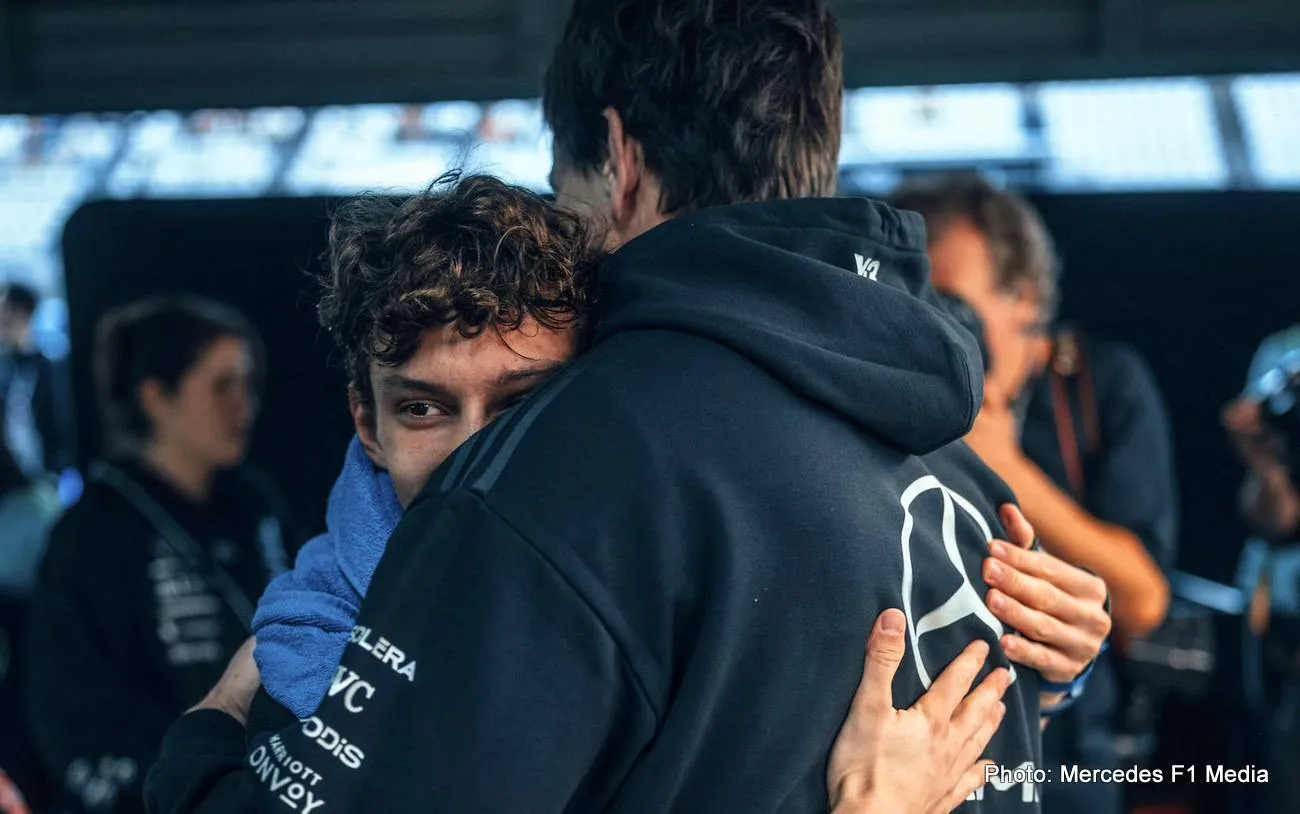
Credit to one man, Toto Wolff, who ultimately decided to put Antonelli alongside George Russell at the mighty Mercedes team, to fill the void left by Lewis Hamilton's departure to Ferrari.
It was unheard of, such a young driver in such a big team. But Wolff clearly knew something we did not, or he had the instinct, the gut feeling, and acted on it. What we are seeing now are the rewards of that gamble. Because it was a huge gamble, and it has paid off handsomely.
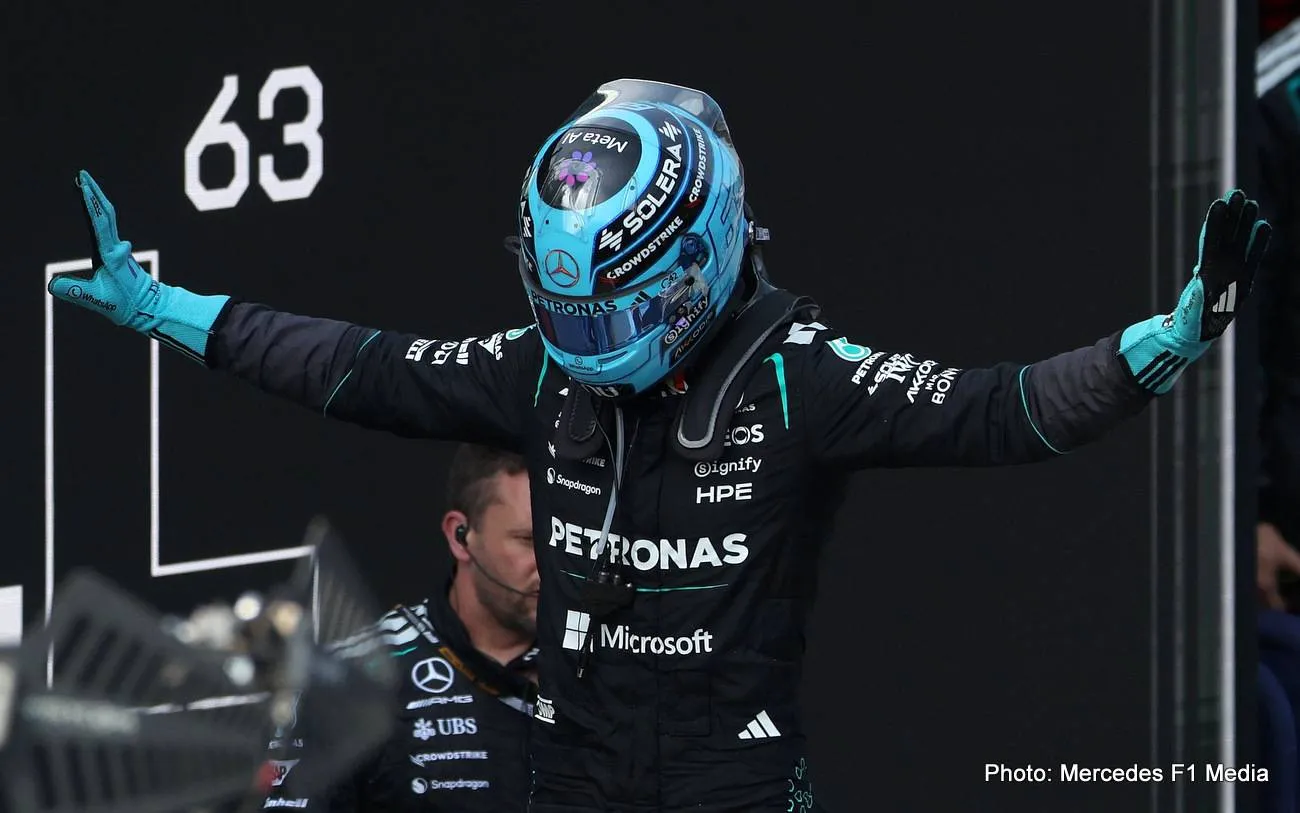
Japanese Grand Prix victory is Antonelli's second in a row after his maiden victory in China, with Russell winning the season opener in Australia. Merc have yet to lose a race or a Sprint this year.
The youngest F1 world championship leader ever

For me, the nuances of the sport matter. The bond you can see between Antonelli and his mentor Wolff is rare and unique in this instance. It reminds me of the manner Ron Dennis introduced a young Lewis Hamilton to Formula 1 two decades ago. The same kind of fatherly relationship. Protective. Proud.
Likewise, Max Verstappen had Helmut Marko. Let’s not forget he was known as Crashstappen early in his career, incident-prone and always in controversy. Yet he could rely on Marko as a father figure, protecting him from a pretty vicious media onslaught, particularly from the British press during the Dutchman's rise.
To now watch Wolff with his protégé Antonelli reaping the rewards not only of a glorious talent and a stupendous race driver at such a young age, but also of his own belief, is a beautiful Formula 1 story. A legend for future generations. And it has only just begun.
At the age of 19 years, 7 months, 4 days, Andrea Kimi Antonelli is now the youngest driver to lead the F1 World Championship, a record that will stand a very, very long time, I predict. And that's a Good thing!
A Grand Prix without Verstappen at the front seems odd

Maybe it is just me, but a Grand Prix without Max Verstappen at the front feels like something is missing. He spent the whole afternoon toiling to finish P8, stuck behind Pierre Gasly for half the race with nothing in his arsenal to attack the Alpine.
So what is good about that?
His attitude. His maturity. The way Verstappen has resigned himself to what looks like a painful season. Driving a car he clearly has no connection with, calling it anti-racing. Yet his demeanour is exemplary. No moaning, no whining, just stating facts with no anger. Simply acceptance. That, to me, is class.
And finally, in an era of fake overtakes and questionable moves, random race starts, and power clipping in unlikely places, it is becoming hard to define what an overtake actually is. When one car is harvesting and another is deploying, that is not an overtake. It is just a free pass.
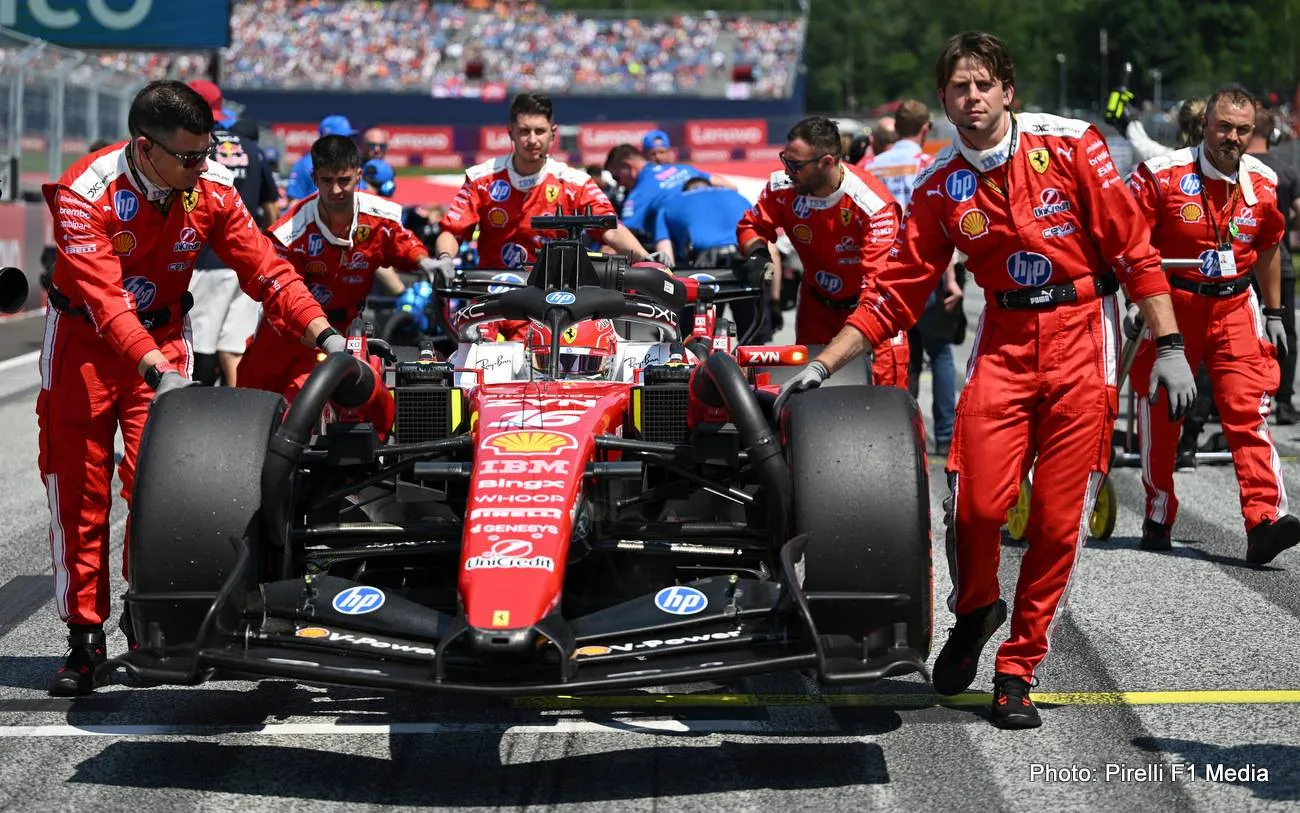
An overtake is when a driver works for it. Brakes late, commits, pushes beyond the limit. That is what we saw from Charles Leclerc, who I felt had a fantastic race. In Japan, he owned Lewis Hamilton again, much as he did for much of last season, and defended magnificently from George Russell at high speed into Turn 1, with the finish line in sight to claim P3 and his 52nd GP podium.
Piastri and Leclerc could take the fight to Mercedes in coming races

It was nip and tuck, an ultra-brave move, with the Ferrari and Mercedes almost side by side, in rare full flight, aka fully deployed, zero harvesting. It took real courage and enormous talent to hold on to P3. Credit to him for what was, for me, the overtake of the Grand Prix (was it the only one?) and probably deserving of the drive of the day, in a race devoid of any real 'WOW!' moments. Especially considering how he cleared Hamilton earlier in the race.
There was also that technique of running slightly onto the dirt to create a slingshot on corner exit. Leclerc made it clear after qualifying that it was deliberate, gaining speed rather than losing it as some observers suggested. It is exciting to see Leclerc in this frame of mind and form.
Despite glimpses of Hamilton's undeniable greatness of late, I predict a season of Leclerc-inflicted pain for the seven-time F1 world champion, and wonder what Ollie Bearman would be like in the number 44 car.
Also, for me, seeing Oscar Piastri finally complete a Grand Prix and finish on the podium was equally enjoyable. A return to where he belongs, and a sign that McLaren may yet recover this season and take the fight to Mercedes. I wonder, could he be the dark horse of this campaign?
While Antonelli and Russell look set to fight for the 2026 F1 title, the desperately sport needs McLaren and Ferrari to step up and challenge Mercedes to stop that one-sided prospect from becoming a reality.
The Bad: Plenty of it!

As for the bad, there was plenty of it. So much so that you have to ask whether this is still the Formula 1 we have loved. Everything bad on the day ties back to this ludicrously complex and expensive power unit formula that just about everyone knew was going to flop.
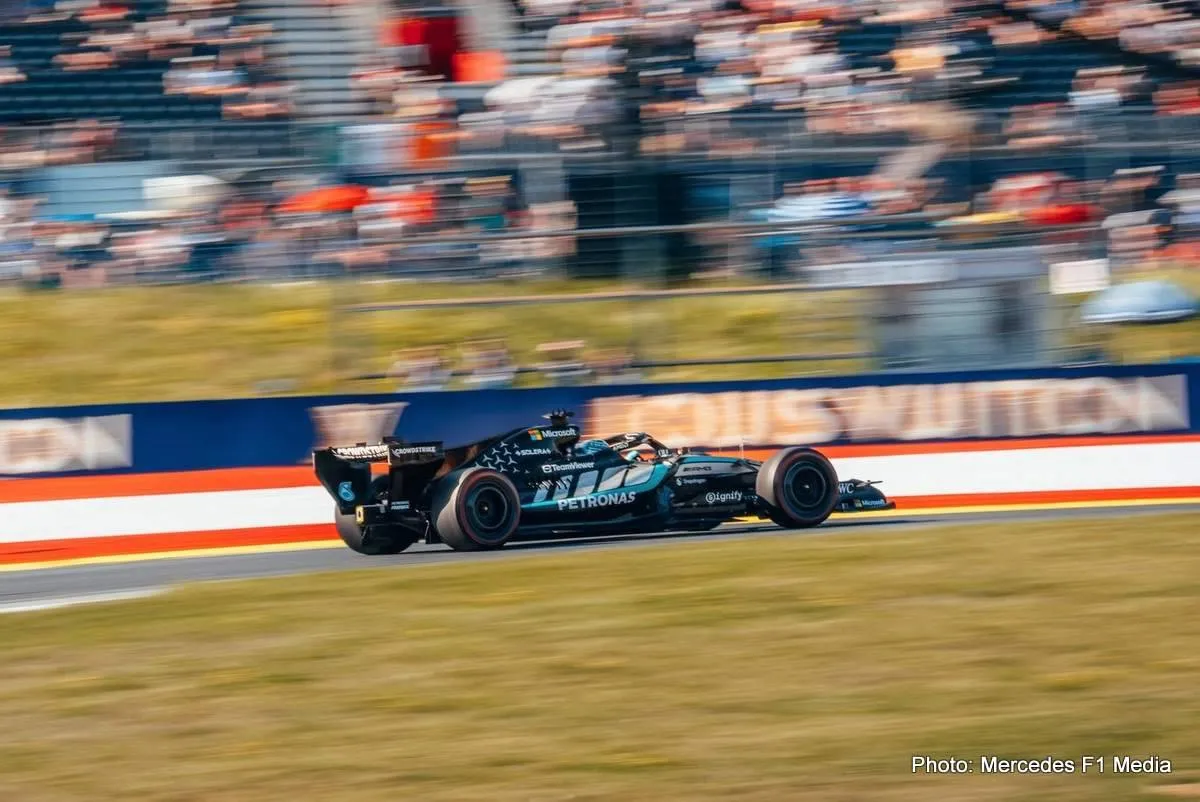
It is a paradox that Mercedes, with the best engine of this new era, cannot get their car off the line properly. You are talking about a $25 million piece of kit that does not do its basic job.
Mercedes has a rocket ship in race trim, but they cannot launch it. Meanwhile, McLaren, with the same engine, was fast off the line at Suzuka but could not extract race pace in the same way. What does that tell you? No one fully understands these cars. Not even the people who build them.
Case in point, Audi. By all accounts, their demands helped shape this new farcical engine era. You would expect them to have a strong package. They do not. Suzuka was the first time both cars made the grid, and they were nowhere.
The Audi-Sauber transition has exposed operational fragility. Trackside performance has been inconsistent, with the car showing flashes of efficiency but lacking the sustained pace and balance required across a race distance.
Energy deployment, a defining factor under the new rules, appears conservative and at times ineffective, leaving Audi vulnerable on straights and unable to defend or attack decisively.
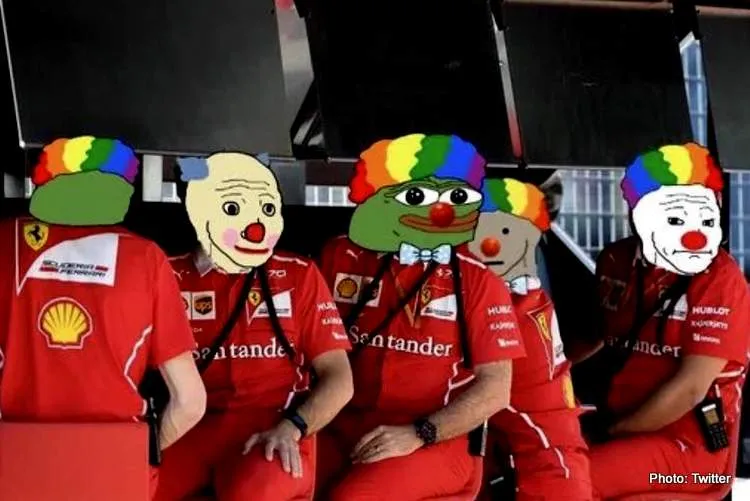
There are also signs that the scale of the project has stretched internal processes, and the development direction appears reactive rather than assertive. That situation is only worsened by Jonathan Wheatley leaving the Auto project, and now the team is in the hands of Ferrari reject Mattia Binotto. That is bad.
WTF Williams?

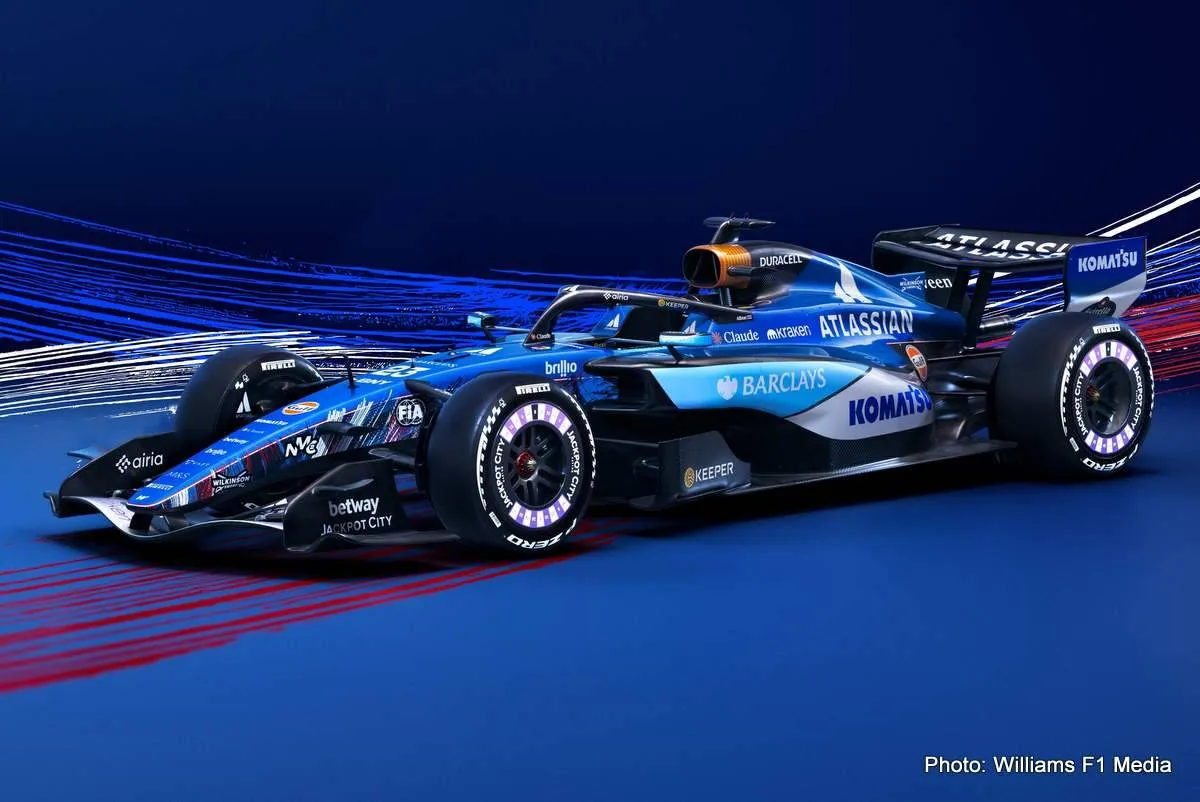
Then there is Williams. A joke of a car that has dragged Carlos Sainz and Alex Albon to the back of the grid. A race winner and a respected driver reduced to fighting for nothing. Albon used his 'race' at Suzuka to do a spot of testing and pit stop practice, making up for lost time in an allegedly overweight car.
James Vowles has talked a good game, but right now, he is not delivering. In a world with accountability, questions would be asked. Will he last the year as Williams TP with the likes of Christian Horner and Jonathan Wheatley job hunting in the piranha pool?
And Cadillac. Are they even at the races?
The central concern is whether Cadillac have underestimated the complexity of the new regulations. The 50–50 hybrid demands, energy management intricacies, and integration challenges appear to have caught them on the back foot, with no clear evidence yet of a competitive package taking shape despite a proven power unit in Ferrari.
Circulating at the back, pretending to be part of Formula 1. It is unacceptable, given how huge the American brand is, that their project is populated by figures with plenty of experience in Formula 1, but only with backmarker teams or teams that have since disappeared.
In other words: It's bad, very bad! Cadillac are the Mickey Mouse team of Formula 1. That should sell a lot of Caddys stateside and around the globe!
The Ugly: Aston Martin Sh!tsh0w

Enough money spent to feed a continent, and this is what Aston Martin deliver. For a team that lured Adrian Newey, the greatest designer in the sport, to lead the technical side of the team. Expectations exploded.
And when Lawrence made him Team Principal, it was "WOW!" the AMR26 must be a rocket if their mega-brain has time for the 'trivilaities' of leading the team. He must have the car done and dusted, ready to see how it laps the field.
A full year focused on the 2026 car, and Newey delivers an undrivable car... And then they dare to blame Honda!
Lawrence Stroll's vanity project is a revolving door of hires. Where do they put everyone? Who runs the show? Is Newey the team principal, or does Lawrence call the shots? What of Jonathan Wheatley's sudden personal problems? Confusion. Chaos. Crisis? Not really, if you can burn money like incense with no accountability.
Sadly, new papa and F1 superhero Fernando Alonso, much like Verstappen, is resigned to it, still dragging anything with wheels to the finish. On the other side, hopeless and disinterested Lance Stroll looks more disengaged than ever.
Reportedly, the core issue lies in severe power unit instability and vibrations, driven by complex energy deployment demands under the new regulations. On track, the consequences are stark. The car lacks consistency, suffers from unpredictable energy delivery, and is unable to match the pace of Mercedes or even a rapidly improving McLaren.
These failings have a domino effect. Race execution, planning strategy, and the like have also been undermined by the ineffectiveness of the car, turning race weekends into damage limitation exercises, despite the presence of Newey. At Aston Martin these days, it's ugly!
The Horrible: Danger & Cover-Ups

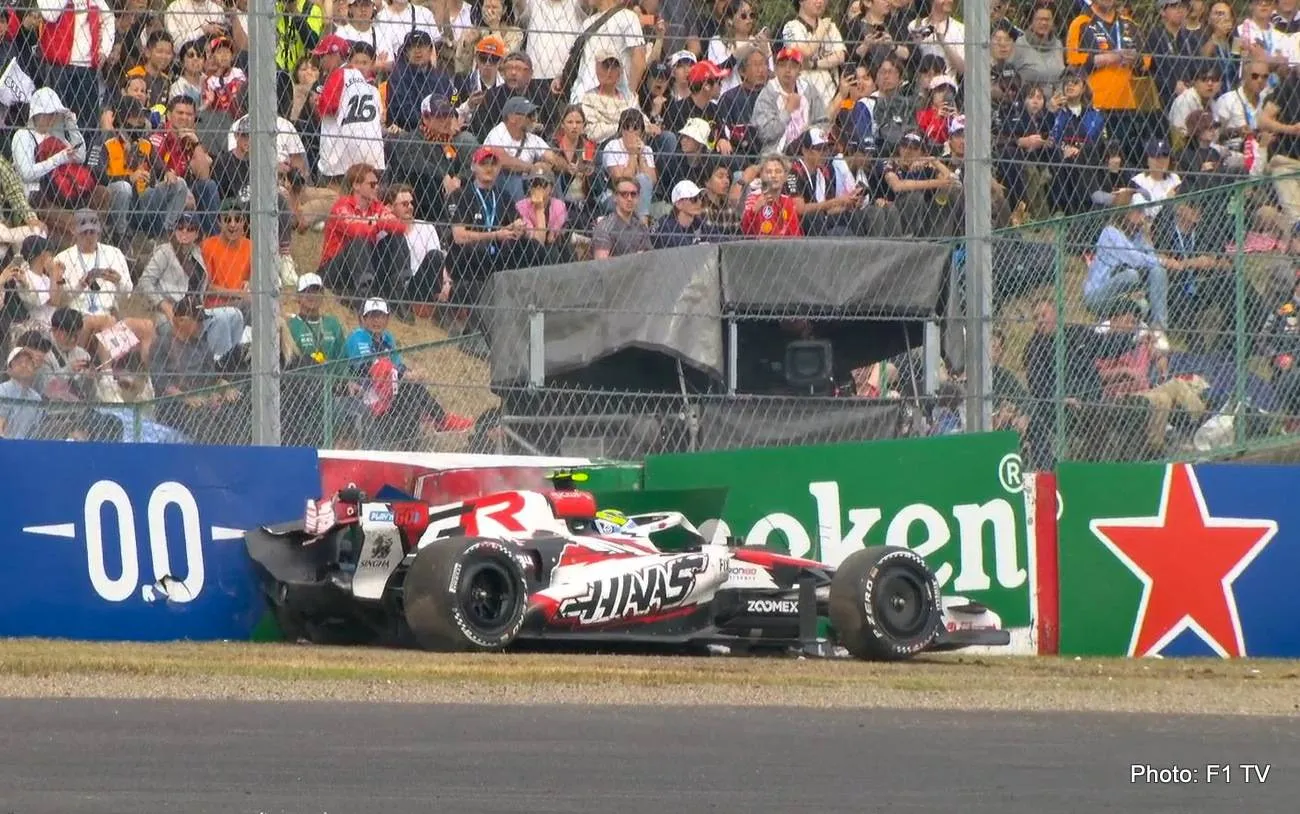
These power units are not just confusing; they are perilous, too. The Ollie Bearman incident was a warning. A big one. He was lucky. Very lucky.
Motorsport is dangerous. Always has been. And while safety has improved massively, moments like that remind you how quickly things can go wrong. If this is not addressed, it will end badly.
In the wake of the Japanese Grand Prix, we covered the aftermath of the Bearman crash in detail here:
Read also


And finally, more horrible than horrible, let's call it vile, is the fact that Formula One Management, by extension Liberty Media, F1 CEO Stefano Domenicali, and their wider team of media professionals are trying to sell this as good racing. Trying to convince us that is what the pinnacle of motorsports is all about.
It is not. Fans are not stupid. We know what we are watching. We have every right to criticise it, as much as we praise our sport, report the good stuff, we have every right to air our grievances, concerns, and complaints. What we are seeing now is not Formula 1. It is the antithesis of it. Fans, serious pundits and commentators should be heard.
Instead of acknowledging the problems, Domenicali (the buck stops with him) and his spin doctors are trying to control the narrative, stooping to the low of hiding dissenting voices on social media. That is unacceptable.
The hornet's nest was kicked by FOM, regarding comments on official F1 social media platforms discussing the new power unit rules, which shift the balance to a 50/50 split between internal combustion and electric energy.
Wag the Dog

While Formula 1 has pushed the narrative that the changes are innovative and sustainable, many fans and drivers have voiced concerns about the impact on racing quality, particularly issues like energy harvesting and power clipping, has changed the ethos of the sport.
Grok confirms and reports that users noticed that replies critical of the regulations were being filtered or hidden, limiting their visibility in comment threads. This triggered accusations that F1 and its media arm were attempting to control the narrative and suppress negative feedback.
The backlash was swift, with fans pointing out that open discussion is essential, especially during such a significant technical transition. The situation highlights a deeper tension between F1’s commercial messaging and fan perception, as the sport navigates one of the most controversial regulation changes in its history.
We have a month to ponder that. Sadly right now in the wake of the first three GP weekends of the new era season, my gut tells me Formula 1 is not in good hands. And that, for me, is horrible.
Latest News
Loading

