Max Verstappen: I was counting down the laps at Suzuka, it is obviously not how Formula 1 should be
F1 Drivers NewsMonday, 30 March 2026 at 07:30
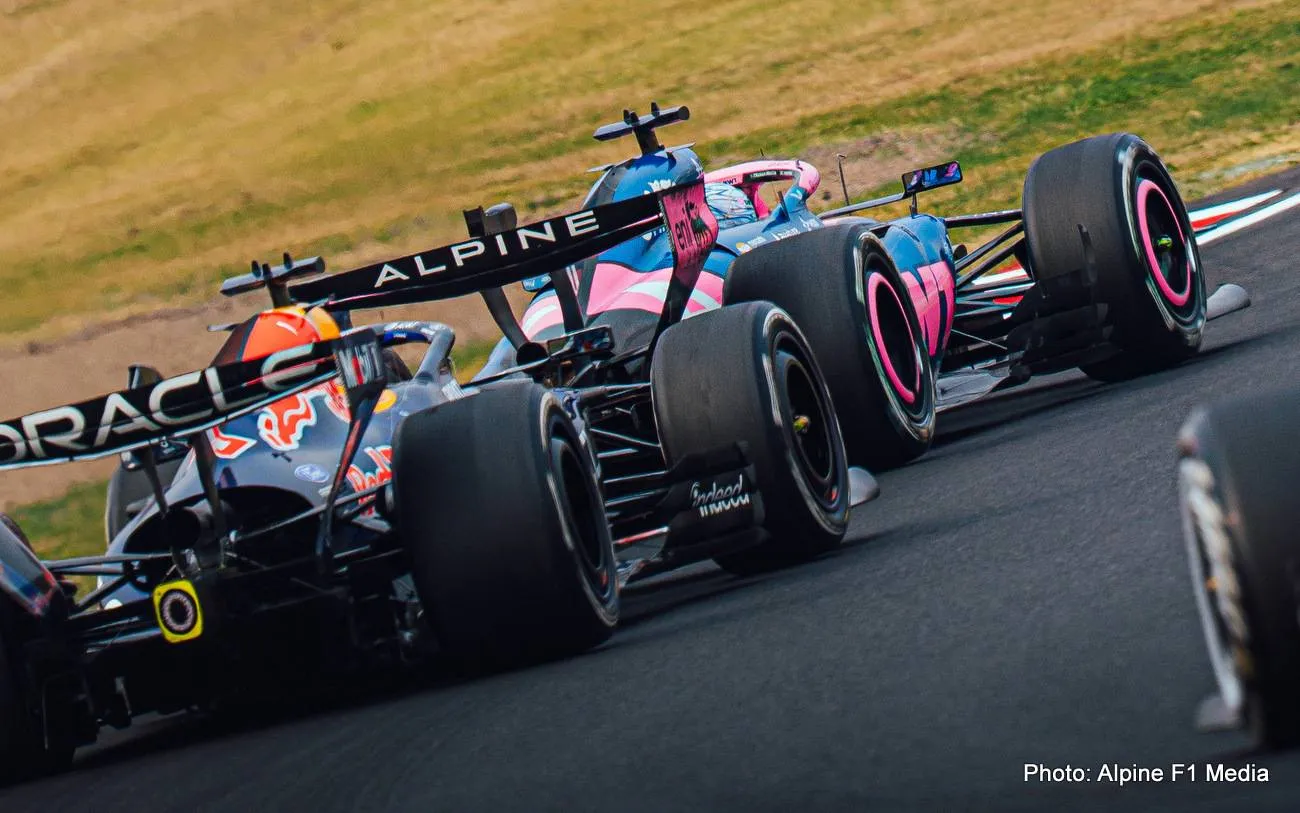
Max Verstappen endured a frustrating Japanese Grand Prix at Suzuka, finishing eighth after spending much of the race trapped behind Pierre Gasly, unable to make progress in a race that again exposed the quirks of Formula 1’s 2026 cars.
After gaining a few places at the start, Verstappen’s race quickly settled into a familiar pattern. Like in China, he found himself stuck in traffic with little he could do to move forward, highlighting the ongoing overtaking and energy management issues that have become a defining theme of the season.
Speaking after the race, Verstappen offered a blunt assessment of his afternoon: “I was definitely counting them off. Fifteen to go, ten to go, five to go. Come on, yes, it is over.”
Verstappen spent the second half of the race glued to the back of Gasly, but despite having pace, he was unable to complete a move, a situation increasingly common under the new regulations. I was behind him in China as well, though in China I was behind a lot of cars, but with these cars you just cannot overtake properly.
“You can overtake, but then you have no battery left on the next straight. I try to laugh about it, because there is no point getting frustrated all the time. It is obviously not how it should be," added Verstappen.
Red Bull RB22 issues leave Verstappen limited

His comments echo concerns raised across the paddock following Ollie Bearman’s high-speed crash on Sunday, where extreme energy deployment differences created dangerous closing speeds. While Verstappen’s issue was different, the root cause remains the same: inconsistent energy availability shaping both racing and safety.
Beyond the structural issues with overtaking, Verstappen also pointed to ongoing problems with the Red Bull RB22, which continue to limit his ability to compete at the front.
With the cancellation of the Bahrain and Saudi Arabian Grands Prix due to the escalating situation in the Middle East, Formula 1 now faces an unexpected break through April, giving teams a rare window to regroup.
Verstappen is hoping Red Bull can use that time effectively: “Hopefully quite a lot, because we have got plenty of problems. Hopefully, it all becomes a bit more driveable, because the race was the same as qualifying. I can move forward a bit, but that is about it.”
Hadjar: We need to improve our deployment

In the other Red Bull, Isack Hadjar cut a forlorn figure talking to reporters of his frustrating day at the offcie: “Today felt like a long race for us. I had a good start and a strong first lap, the plan was to fight with Pierre, and I was able to do that until the back straight where I lost a lot of battery. We need to improve our deployment, as we really struggled with it today.
"The timing of the Safety Car was also unfortunate and after that we found it hard to get back into the points. I had a good fight with the Audis but didn't have the pace to get passed them. Everyone is working hard to understand the issues, and we now have until Miami to put ourselves in a better position," added Hadjar.
His and Verstappen’s remarks underline a growing concern within Formula 1 that the 2026 regulations are not delivering the racing spectacle expected, with drivers forced into energy management compromises that limit overtaking opportunities.
While the FIA has already confirmed a review of the rules, Suzuka provided further evidence that both performance and racecraft are being heavily dictated by battery deployment rather than pure racing.
For Verstappen, the message was clear, even if delivered with a laugh: Counting down laps is not what Formula 1 should be about.


Latest News
Loading