Eight Things You Didn't Know About Online Car Parts Marketplaces
Special FeatureFriday, 01 May 2026 at 02:09
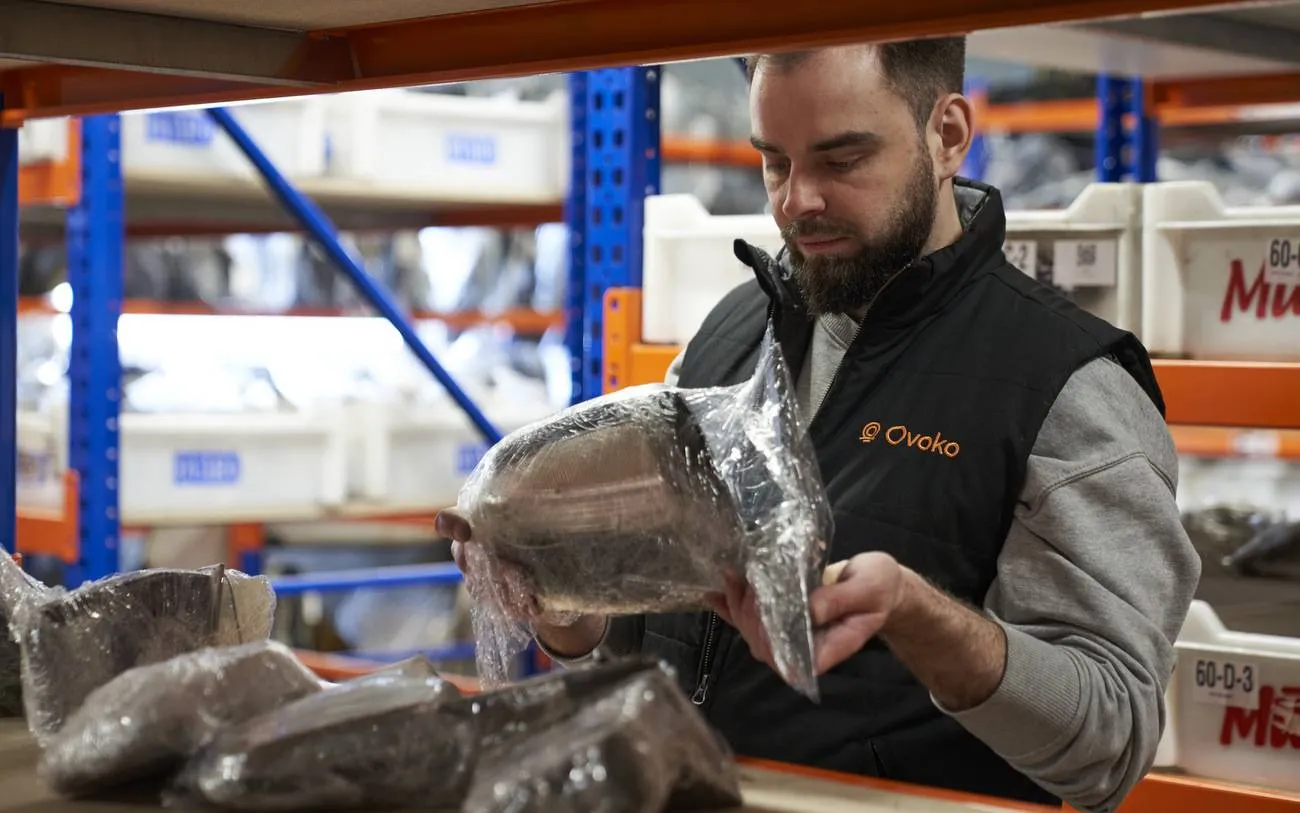
Most drivers have a vague sense that you can buy car parts online. Far fewer know just how large, sophisticated, and genuinely surprising the world behind those listings has become.
Whether you are a regular DIY mechanic or someone who has only just discovered that a replacement mirror is available for a fraction of the dealership price, here are eight things about online car parts marketplaces that might change how you think about them.
1. The Market Is Far Bigger Than Most People Realise
Online car parts are not a niche corner of e-commerce - they are one of the largest and fastest-growing product categories on the internet. The global automotive aftermarket e-commerce sector was valued at over $256 billion in 2025, according to Research Nester, and is forecast to reach $289 billion in 2026. By 2034, some projections place that figure close to $750 billion.
To put that in perspective, the online auto parts market is already growing at nearly three times the pace of overall e-commerce. The 17% compound annual growth rate recorded between 2024 and 2025 outpaces many other e-commerce sectors by a considerable margin. This is not a category on the fringes of digital retail - it is one of its fastest-moving frontiers.
2. Wrong Fitment Is the Industry's Biggest Headache - and AI Is Fixing It
The single most common reason a car part gets returned is not quality - it is compatibility. The same part number can look identical for two model years of the same car, only to differ in mounting points, sensor connectors, or dimensions that are invisible until installation. Fitment errors cause up to 86% of auto parts returns, and even with improved tools, incorrect matches still account for around 40% of returns across the sector.
The industry's answer to this has been AI-powered fitment engines that go far beyond the old "year, make, model" dropdown. In 2026, AI-powered fitment checkers analyse a vehicle's full specifications using its VIN and match buyers with compatible components in real time, dramatically reducing costly errors. For buyers, using a 17-digit VIN rather than manually selecting trim level and engine variant is now the single most reliable way to avoid the wrong part arriving at the door.
3. Offline Still Dominates - But Online Is Growing the Fastest
Despite the enormous numbers attached to online parts sales, most automotive parts are still bought through physical channels. The offline segment accounted for 71.4% of the global auto parts market share in 2024, driven by the enduring preference of professional garages and repair shops for supplier relationships built on trust, immediacy, and account terms.
But the trajectory of digital is unmistakable. The online segment is growing at a CAGR of 8.88% - the strongest growth rate across the entire distribution value chain - as price-sensitive DIYers and tech-enabled garages turn to e-retailers for rapid parts sourcing. Marketplace algorithms are now surfacing long-tail components that were once buried in specialist catalogues, making niche and discontinued parts findable for the first time by a mass audience.
4. Independent Garages Are Among the Biggest Online Buyers
There is a popular image of the online car parts buyer as a weekend mechanic in a driveway. The reality of who is actually purchasing through digital marketplaces is more professional than that assumption implies. Independent garages - not home enthusiasts - represent the dominant service channel in the aftermarket, with DIFM independent garages capturing 56.3% of the US aftermarket parts market share in 2025.
Many of these professionals now use online platforms to source parts faster and at better prices than traditional supplier networks can offer, particularly for less common components. Platforms like OVOKO, which aggregates verified used parts from hundreds of dealers across Europe, serve both individual drivers and trade buyers - and the professional segment increasingly accounts for a meaningful share of that traffic.
5. Counterfeit Parts Are a Genuine and Persistent Problem
The scale of online marketplaces brings with it a darker side. Counterfeit automotive components - parts falsely presented as OEM-quality or branded equivalents - represent one of the sector's most serious ongoing challenges. The prevalence of counterfeit parts in online marketplaces is a persistent issue that undermines consumer trust and damages legitimate retailers' reputations, with platforms actively working to address it through improved verification systems.
The consequences of installing a counterfeit safety-critical part go beyond wasted money. Fake brake components, counterfeit airbag modules, and substandard sensors have all been documented in marketplace investigations across Europe and North America. Reputable platforms address this through supplier verification, authentication protocols, and in some cases blockchain-based part tracking - but buyer awareness remains the first and most important layer of defence. Checking seller ratings, reading return policies, and avoiding listings with implausibly low prices on critical components are the practical safeguards that still matter most.
6. Online Marketplaces Are the Last Resort for Rare and Discontinued Parts
One of the least-appreciated functions of online car parts platforms is their role as a repository for components that are no longer in active production. For owners of vehicles more than 10 to 15 years old - a rapidly growing demographic, given the rising average age of vehicles on the road - a local dealer or chain parts store will often simply have nothing to offer.
Marketplace algorithms surface long-tail SKUs once restricted to specialty catalogues, enabling parts retrieval for discontinued models and niche performance builds that would otherwise leave owners facing a choice between an expensive custom fabrication and writing the vehicle off entirely. The digital aggregation of salvage yard inventories means that a specific trim piece, electronic module, or body component from a model discontinued a decade ago can often be located, priced, and shipped within days of a search.
7. The Sustainability Angle Is Reshaping Buyer Preferences
There is surging demand for eco-friendly auto parts as consumers and businesses become more environmentally conscious, including remanufactured, recycled, and sustainably produced components. This is not just a marketing observation - it reflects a genuine shift in how a growing number of buyers frame their purchasing decisions.
Used and remanufactured parts available through online marketplaces represent the consumer-facing layer of the automotive circular economy. Choosing a verified second-hand alternator or a tested recycled headlight assembly over a newly manufactured equivalent avoids the carbon cost of raw material extraction, industrial processing, and international shipping. For drivers who want their repair decisions to reflect environmental values, online platforms have made access to that choice easier and more transparent than it has ever been.
8. The Sector Is Being Rebuilt Around B2B, Not Just Consumers
The fastest-growing segment within automotive e-commerce is not consumer retail - it is business-to-business trade. Wholesalers, fleet operators, independent repair networks, and insurance company supply chains are all migrating parts procurement to digital platforms, attracted by price transparency, inventory visibility, and the efficiency of not maintaining large physical stock.
The rising popularity of subscription-based auto parts services is another important trend, offering convenience and predictability that appeal to both individual consumers and fleet managers, creating recurring revenue streams while building customer loyalty. Major industry players including Bosch, Epicor, and regional aggregators have launched dedicated B2B platforms in the past few years, signalling that the future of parts distribution - at scale - is digital, structured, and professional rather than consumer-led.
For drivers, the practical takeaway from all of this is straightforward: the platform you use to find a replacement part in 2026 is the product of billions of dollars of investment in logistics, data, verification, and AI. It is worth using that infrastructure well - which means checking fitment by VIN, reading seller credentials, and treating the return policy as a signal of quality, not a safety net for a bad purchase.


Latest News











Loading