Miami Grand Prix 2026: Full Breakdown, Schedule, Circuit, and Top Drivers
F1 Grand PrixFriday, 01 May 2026 at 05:57
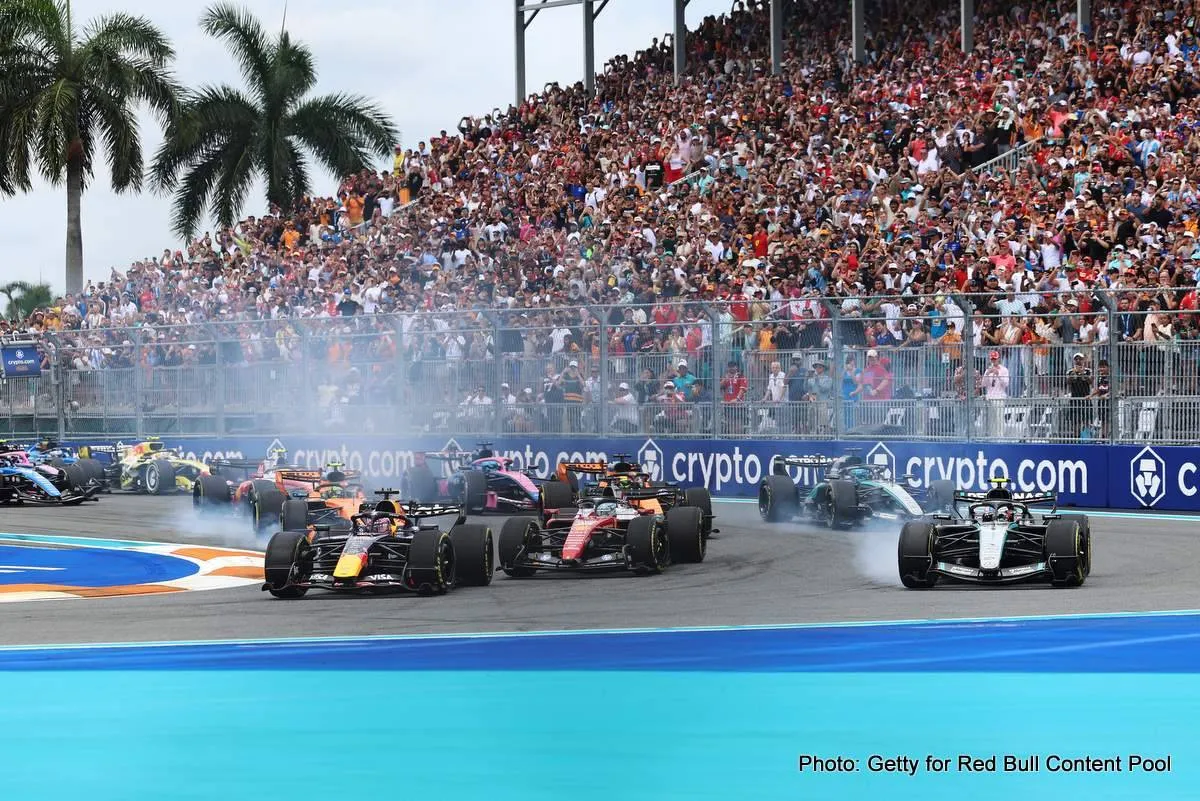
Formula 1 Miami Grand Prix 2026: Preview, Date, Track, and Contenders.
The Miami Grand Prix 2026 returns at a time when Formula 1 2026 feels quite different from what it was just a year ago. New rules, shifting teams, and rising young drivers have all changed expectations. For UK fans watching closely, this race offers more than excitement, it gives clues about the season ahead.
Below, you can see when the race is scheduled, how the Miami circuit shapes the action, and which teams and drivers arrive with stronger chances. It also reflects how this new stage of Formula 1 is slowly changing how winning is understood this season.
The 2026 Miami Grand Prix is set between May 1 and May 3, making it the fourth stop on the Formula 1 calendar. This weekend uses the Sprint format, which tightens everything up and puts pressure on teams earlier than usual, leaving less room for error.
Friday FP1 and Sprint Qualifying
While the drivers battle it out on the track, fans can maintain the high-octane energy throughout the weekend by exploring the premium entertainment options available at 888Starz.
Friday starts with a single practice session, and then things move quickly into Sprint qualifying later on, almost before teams can settle in. With less time on track, there is no real space for slow adjustments, so the first decisions teams make carry more weight for audiences tracking updates via Trustpilot.
Saturday features the Sprint race before qualifying for the main race later on, and managing both can feel a bit intense for drivers over the course of the day. Sunday’s Grand Prix gets underway at 4:00 PM local time, giving a clear answer to what time is the Miami Grand Prix for UK audiences.
Understanding the Miami International Autodrome
The Miami International Autodrome wraps around Hard Rock Stadium, combining temporary track pieces with sections that stay in place, and that mix gives it a unique feeling compared to classic circuits. In total, the layout measures 5.412 kilometres and features nineteen corners.
Along the long straights, cars can push past 350 kilometres per hour when things come together properly, but it almost never feels simple once drivers are out there. Recent qualifying comparisons between teammates in 2026 show how small gaps can change overtaking chances into turns one, eleven, and seventeen.
The section between turns fourteen and fifteen, that chicane, is one drivers often struggle with throughout the weekend. Even a slight mistake can carry through the lap, especially because it leads into an important acceleration zone that affects both speed and defense in Formula 1 2026.
New Regulations Changing the F1 2026 Game
The 2026 season introduces changes that feel bigger than simple adjustments, shifting how cars respond and how drivers approach each lap. A recent report on Ferrari closing the gap to Mercedes suggests these rules could reshape the competitive order faster than expected. Below is a straightforward look at the main rule updates:
- Cars are now lighter and a bit smaller, which makes them quicker to move but also less stable at times.
- Power units are now shared evenly between traditional combustion engines and electric battery systems.
- Active aerodynamics have taken over from DRS, with wings adjusting automatically depending on corners and straights.
- Drivers now have access to a manual energy boost for overtaking, though using it well takes careful timing.
- Energy recovery during braking has become very important, since it directly impacts battery levels across each lap.
These changes have done more than improve lap times, they have quietly changed how drivers approach racing altogether. There is now a constant balance between pushing hard and thinking ahead, especially on tracks like Miami where managing energy can decide everything.
Mercedes Leading the Early Season
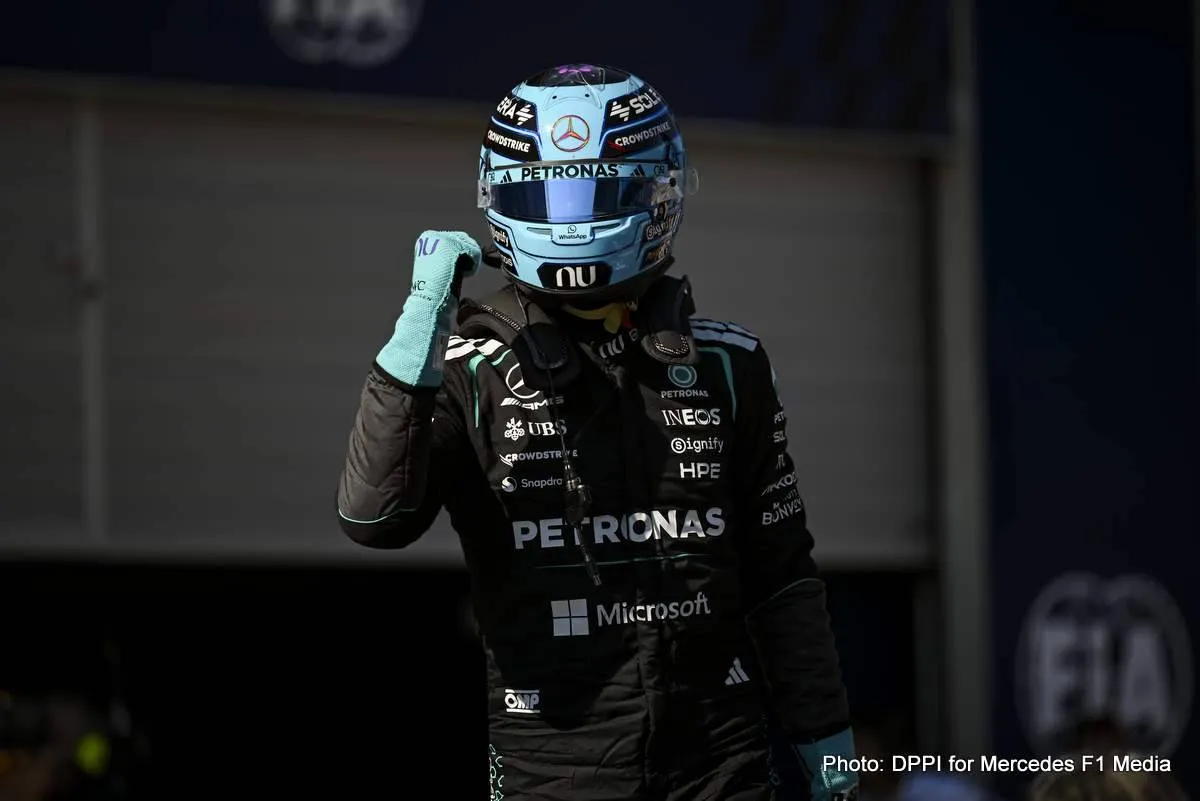
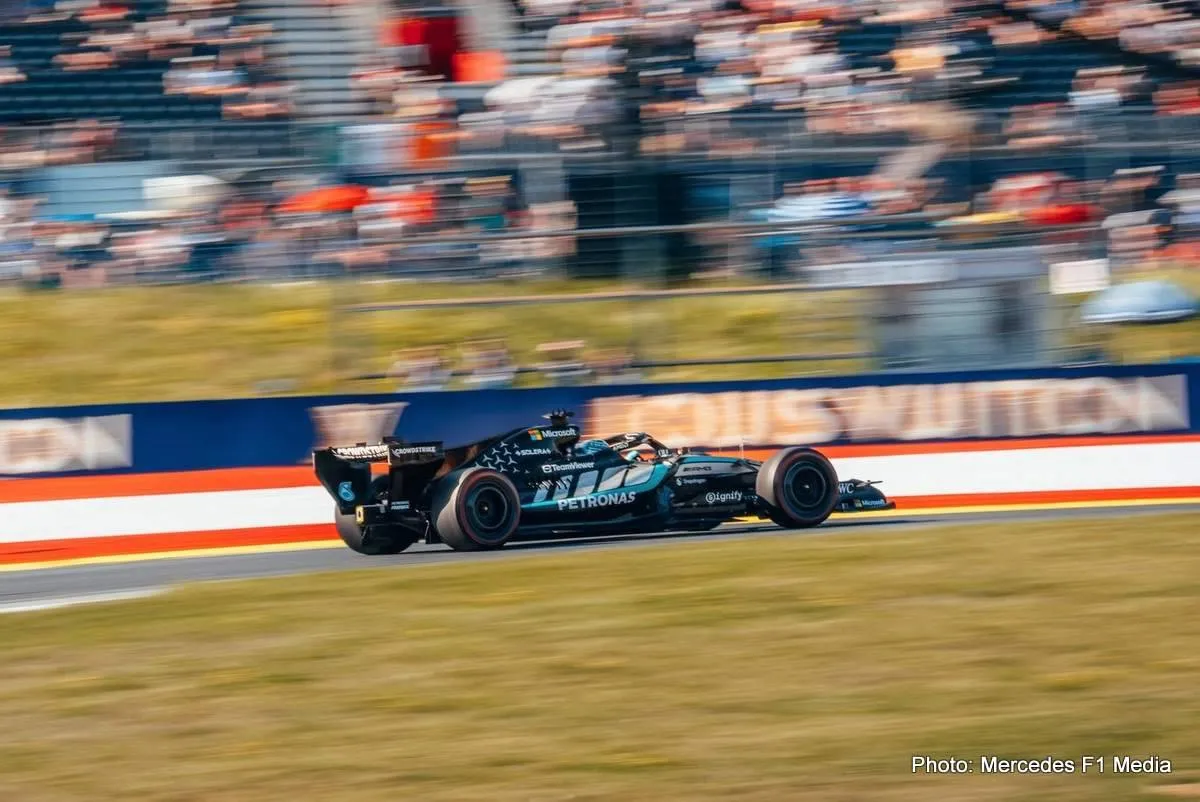
Mercedes arrives in Miami as the team setting the pace, and it is not by accident. Their early dominance has already been highlighted in recent race coverage showing Russell securing pole position, reinforcing how strong their package looks under the new regulations.
Andrea Kimi Antonelli has taken a step forward that not many saw coming, finding himself leading the championship with a steady and quiet confidence. The way he drives fits these new cars well, mainly in how he manages energy while staying fast, which has really helped Mercedes AMG Petronas overall.
George Russell remains close behind in the standings, though it does not seem fully comfortable for him at this point. Seeing a younger teammate ahead adds some pressure. Even so, his experience still comes through, especially when races depend on fast reactions and well-timed decisions.
Ferrari and McLaren Close Behind
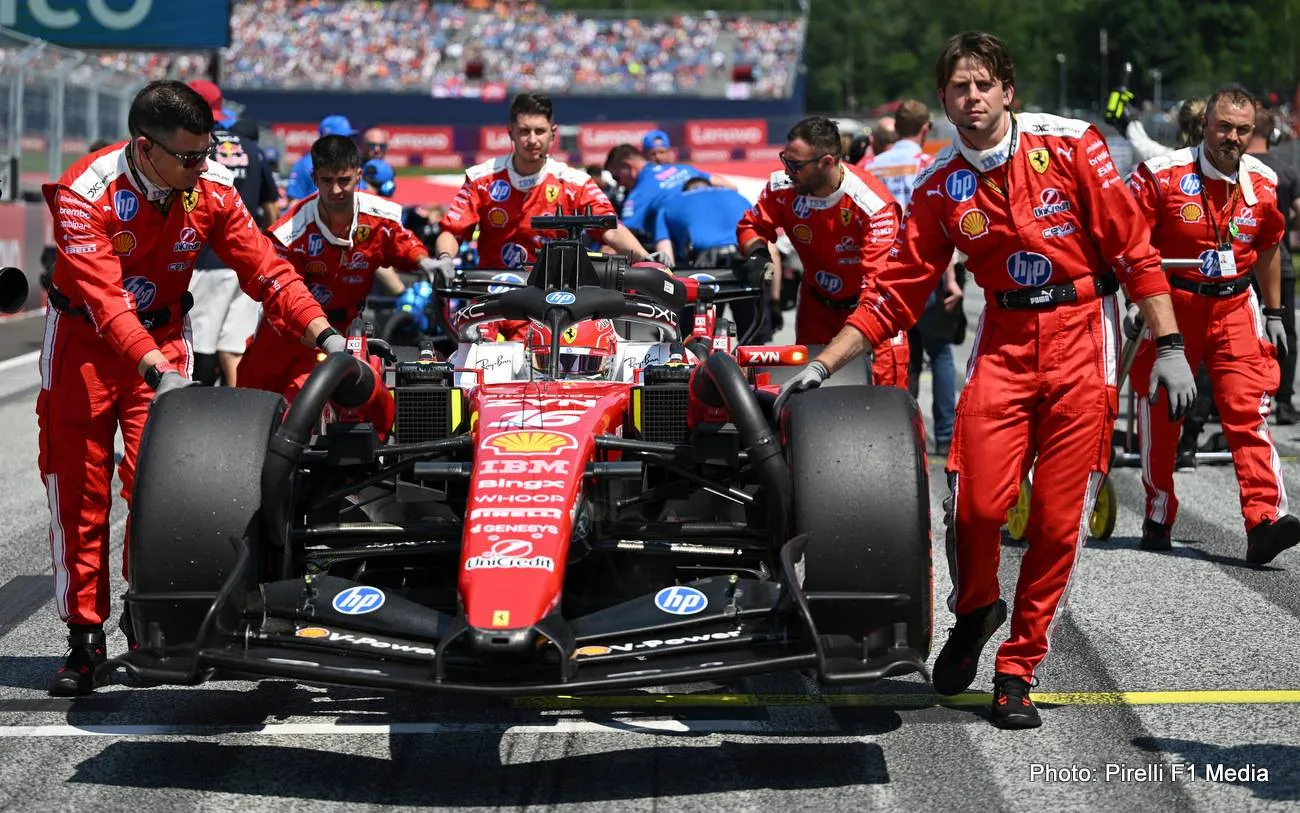
Ferrari holds onto second place in the constructors’ standings, and even without taking a race win so far, their progress feels steady enough to notice. Charles Leclerc keeps things together from inside the team, delivering consistent results while Ferrari keeps learning these updated rules.
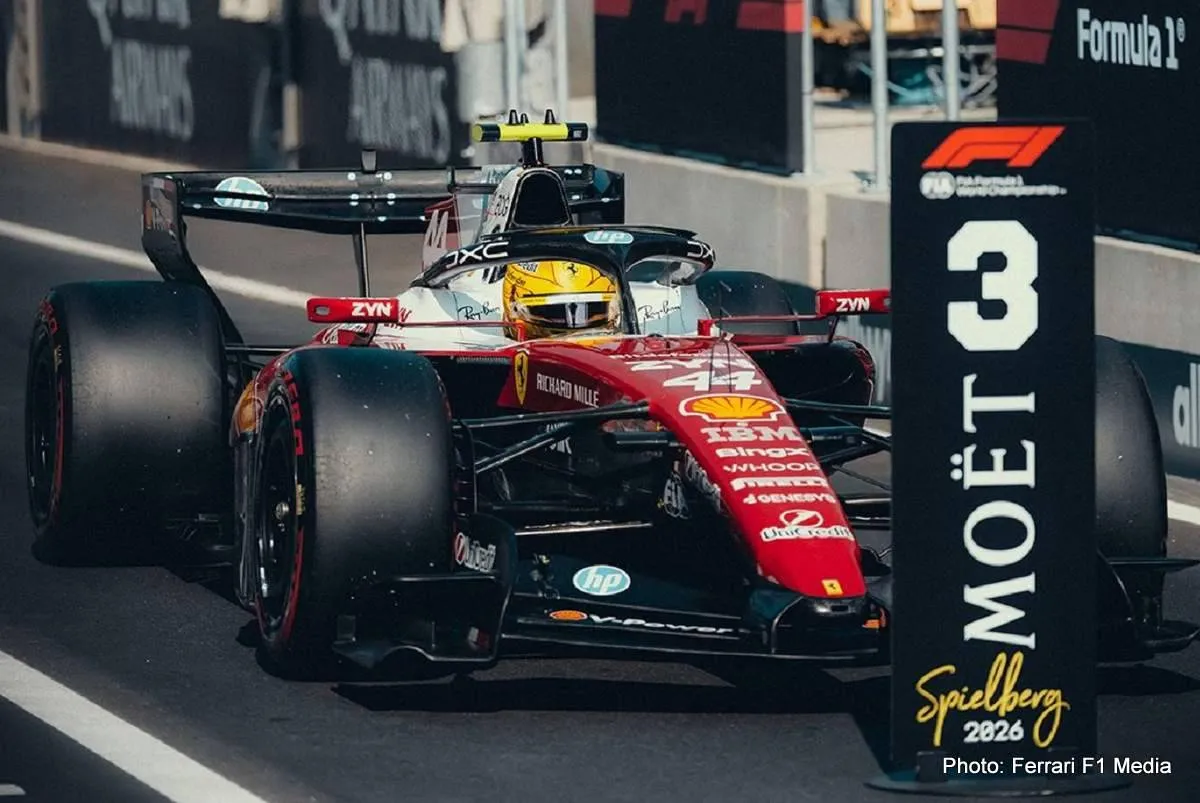
Lewis Hamilton appears more settled at Ferrari now, with a growing sense of confidence in how the car behaves. Still, these changes take time to fully click, and it shows when he tries to match Leclerc, especially with Cadillac F1 developments influencing the bigger scene.
McLaren comes into Miami with renewed confidence after sorting out early season technical setbacks that slowed them down. Oscar Piastri has quietly stepped up within the team, while Lando Norris is still trying to rebuild his form after struggling with the revised power unit.
Red Bull Facing Unexpected Challenges
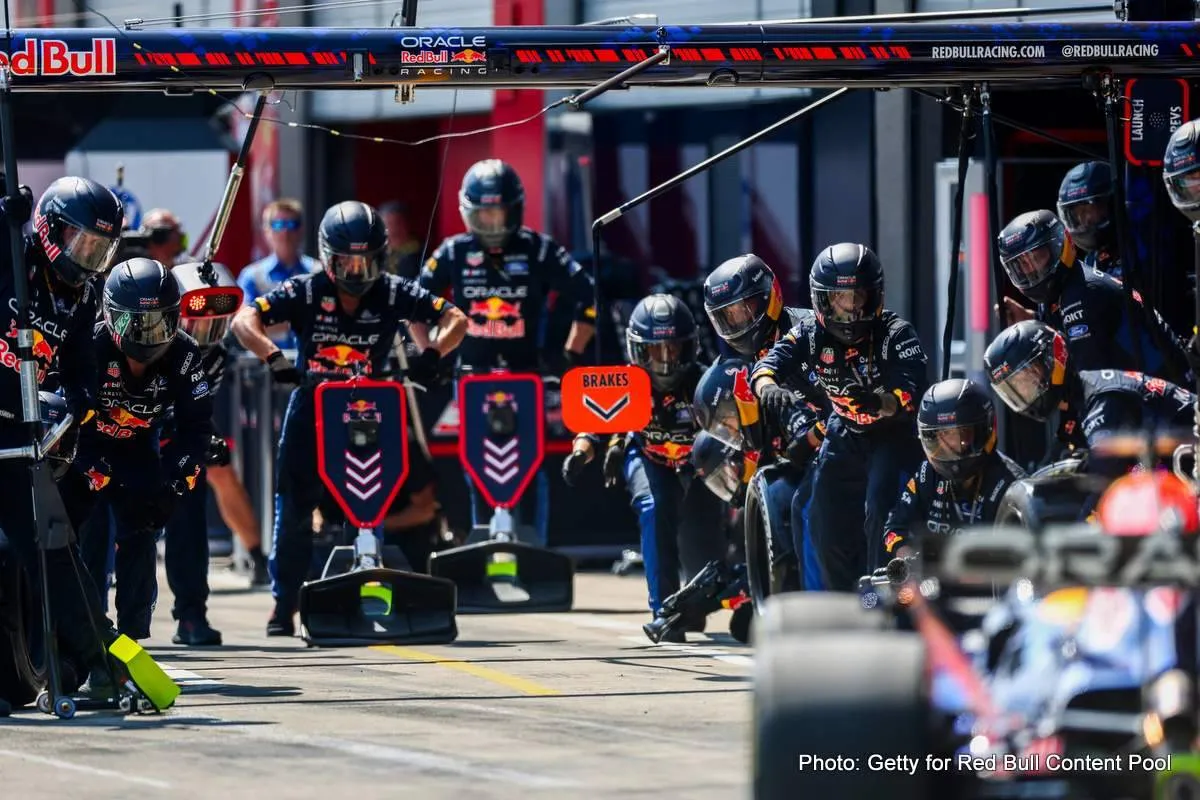
Red Bull is going through something that feels a bit strange for them, not quite matching the speed of the teams around them under these new rules. The Ford partnership has not fully come together yet, especially with energy use, where small efficiency problems keep affecting the car’s overall pace.
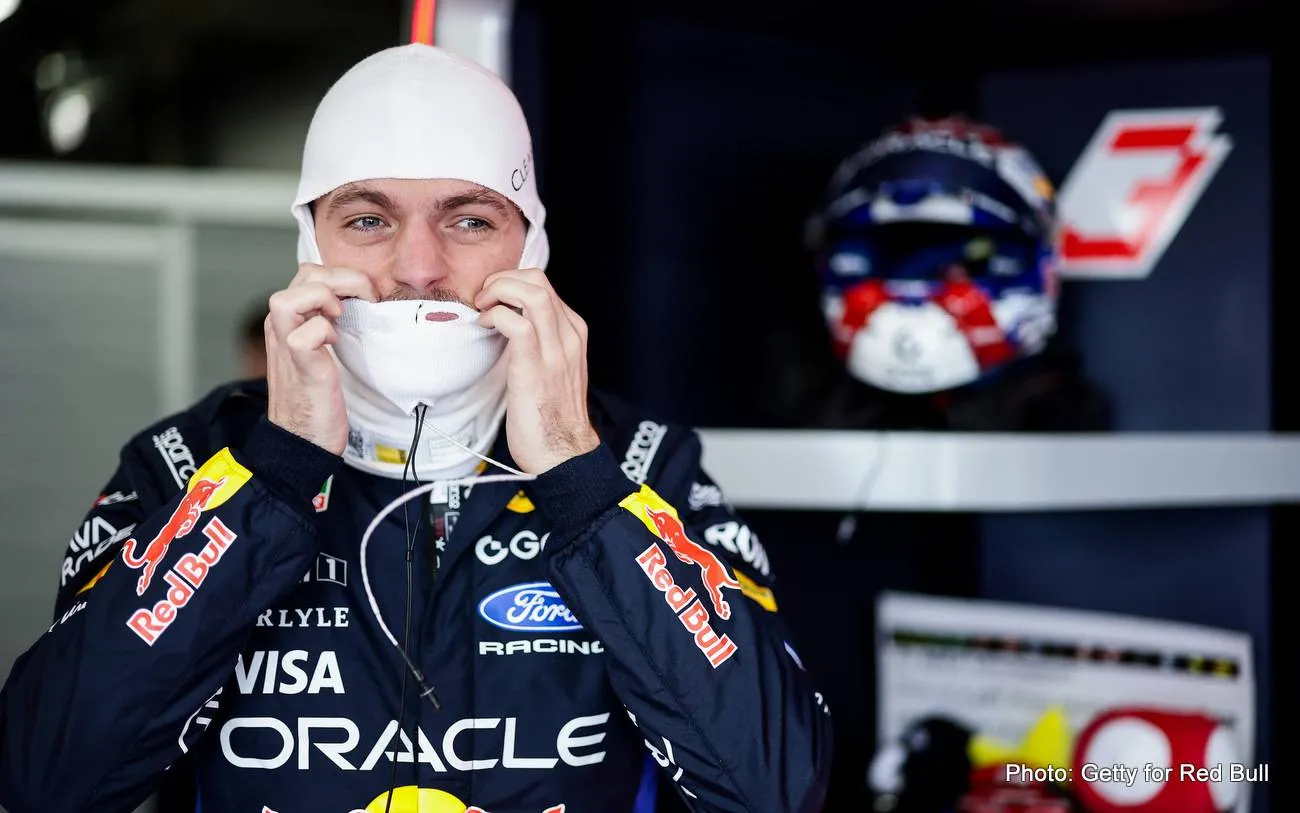
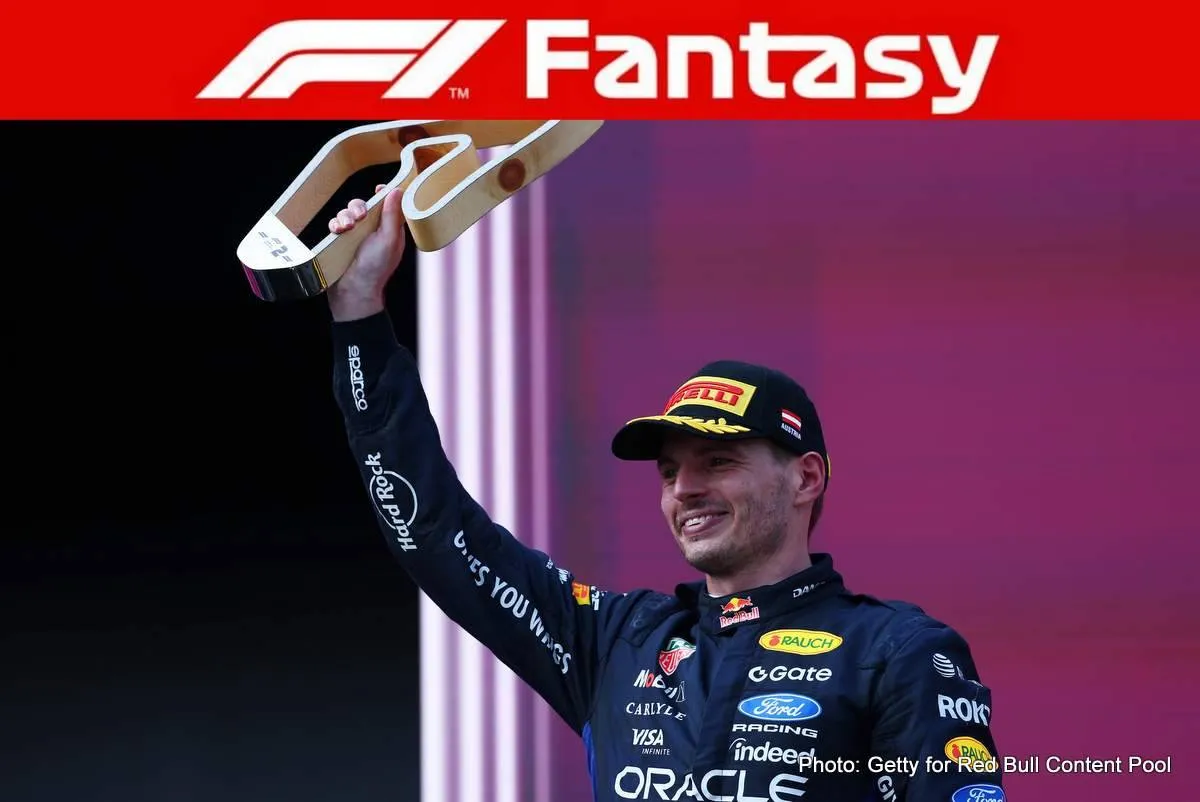
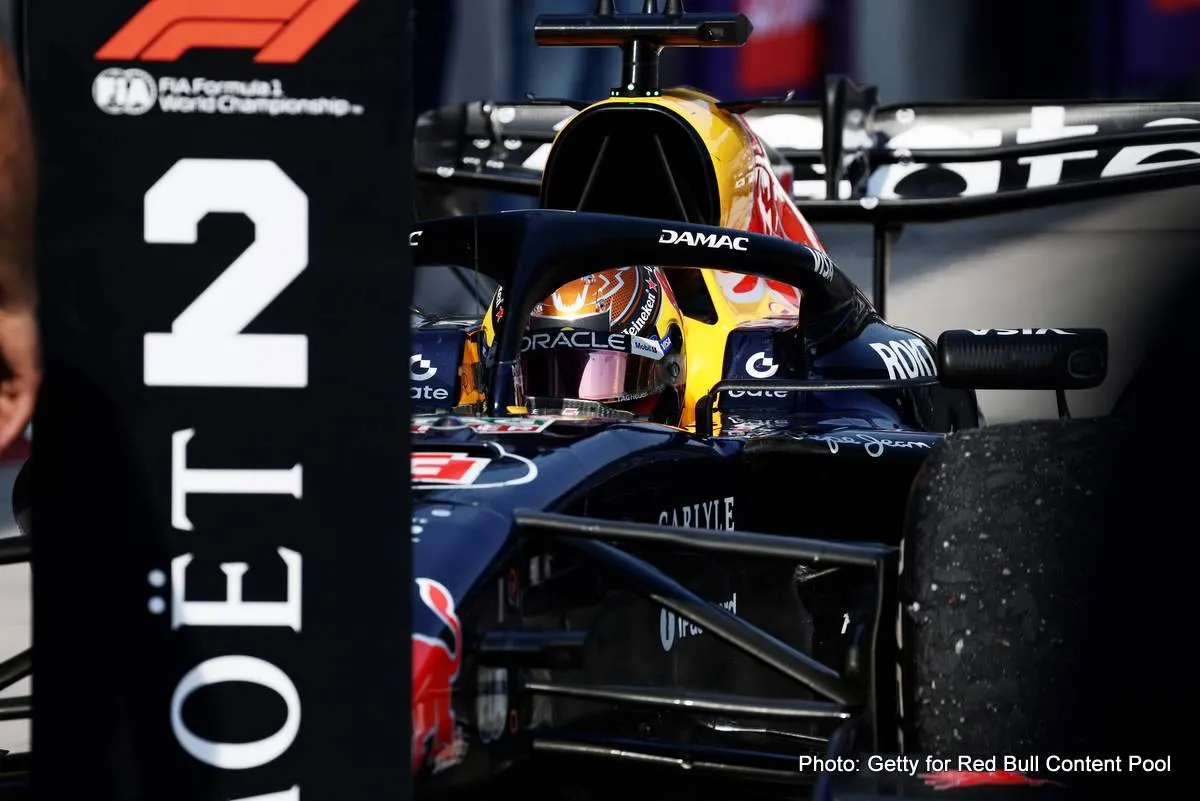
Max Verstappen’s season has started in a way that feels off compared to what most people expected, sitting outside the top positions with fewer points than usual. Even so, his skill still shows when it matters, though the car he has right now is just not quite there.
Isack Hadjar has stepped in as one of the early surprises, even managing to beat Verstappen in a few qualifying sessions with strong single lap pace. Keeping that same level through a full race is still tough, which really shows how important consistency has become.
The Miami Grand Prix 2026 does not come across as just another stop, not when Formula 1 2026 has changed so much recently. Teams and drivers are still adapting in their own ways, and this race might quietly hint at who can really keep that level through the season.
For those watching from the UK, this event helps make sense of the current competitive picture, shaped by changes in technology and race approach. What happens in Miami may not just affect the standings, but also show if early signs are here to stay.
FAQs
How does the Sprint format affect race strategy in Miami 2026?
The Sprint format significantly alters strategy by limiting preparation time before key sessions. Teams must make faster decisions with less data, increasing the impact of early mistakes.
Can younger drivers gain an advantage with the new 2026 car design?
Yes, newer drivers often adapt quicker to unpredictable car behavior and changing systems. Their flexibility helps them respond faster to evolving technical demands during races.
Does track temperature influence performance during the Miami Grand Prix?
Yes, higher temperatures affect tire degradation and battery cooling efficiency significantly. Teams must adjust setups to maintain consistent performance across changing track conditions.

Latest News


Loading