Why race strategy is becoming the real battleground in modern Formula 1
F1 NewsThursday, 18 June 2026 at 07:05
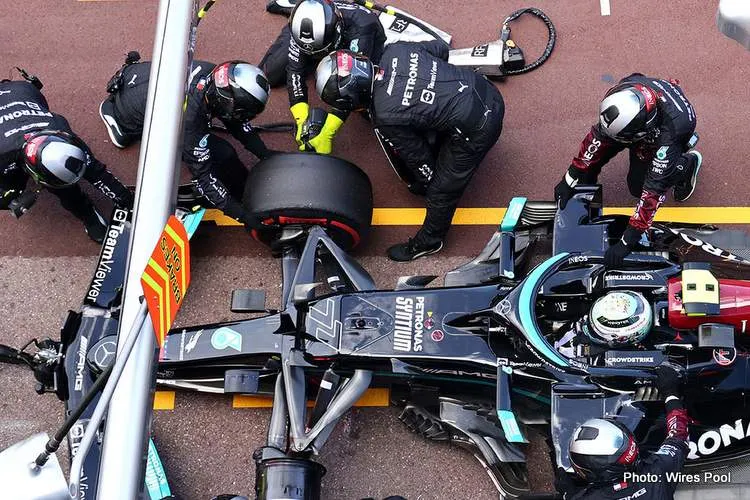
Formula 1 is no longer decided by raw speed alone, because tyre life, pit timing, safety cars and split second decisions can turn an average race into a winning afternoon.
Modern Formula 1 still depends on car performance, driver skill and qualifying pace, but strategy has become one of the clearest ways to change the shape of a race. A team may not have the fastest car on the grid, yet still gain positions through better tyre management, smarter pit calls or a well timed reaction to a safety car.
In a sports media world where fans move between live timing, race analysis, social media and platforms such as Spin Boss Casino, strategy gives Formula 1 another layer of drama that continues long after the lights go out.
Tyres are central to modern Formula 1 strategy. A driver can be quick over one lap, but if the tyres fade too early, that speed becomes difficult to maintain. Teams must decide whether to push hard, protect the rubber or create a gap before stopping.
This creates a constant balance between aggression and patience. A driver who attacks too early may suffer later in the stint. Another who manages the tyres carefully may appear slower at first, but become stronger when rivals start losing grip. These differences can completely change the final result.
Pit windows create tactical pressure

Track temperature, surface type and compound choice all matter. On some circuits, soft tyres provide early pace but disappear quickly. On others, harder compounds create flexibility and allow longer stints. This is why strategy teams study every lap, every sector and every sign of tyre degradation.
Pit stops are no longer simple service moments. They are tactical opportunities. The timing of a stop can decide whether a driver gains or loses track position. The undercut, where a driver pits earlier to use fresh tyres and jump a rival, remains one of the most important tools in the strategy playbook.
The overcut can also work, especially when the driver staying out has clean air and strong pace. This decision depends on traffic, tyre warm up, pit lane loss and the condition of the cars nearby. A stop made one lap too early or too late can undo an entire race plan.
Teams must also react to rivals. If one car pits, another may need to respond immediately. If a driver is stuck behind slower traffic, a team may gamble on an early stop. These calls are made under pressure, often with incomplete information and only seconds to choose.
Safety cars can change everything

No race strategy is safe from interruption. A safety car, virtual safety car or sudden weather change can completely reset the picture. A driver who looked out of contention may gain a cheap pit stop, while another who had built a lead can lose most of that advantage.
This uncertainty makes Formula 1 strategy more than mathematics. Teams must plan several possible race paths before the start. They need a preferred plan, but also backup options if the race changes. The best strategy departments are not only accurate, but flexible.
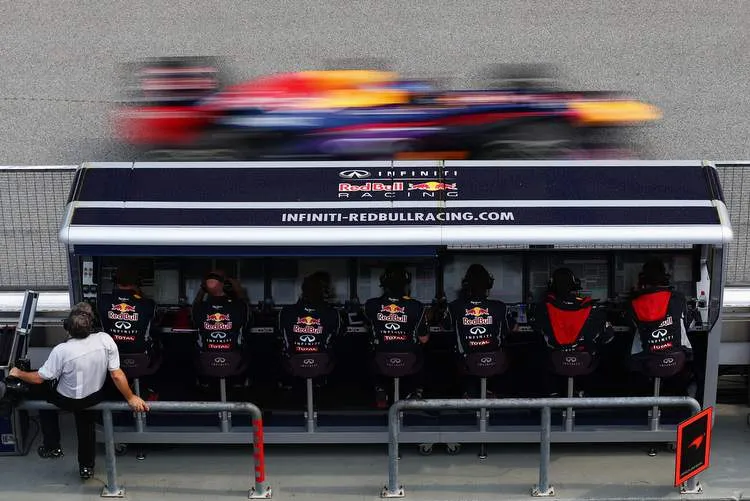
Drivers also play a major role. They must provide feedback, manage tyres, react to changing instructions and execute laps at exactly the right moment. Strategy only works when the pit wall and cockpit operate together.
That is why race strategy has become the real battleground in modern Formula 1. The fastest car still has an advantage, but races are increasingly shaped by timing, tyre knowledge, risk management and the ability to make the right call before everyone else sees it.
Latest News

Loading