How Formula 1's Sponsorship Era Reshaped the Way Fans Follow the Sport
F1 NewsThursday, 18 June 2026 at 07:11
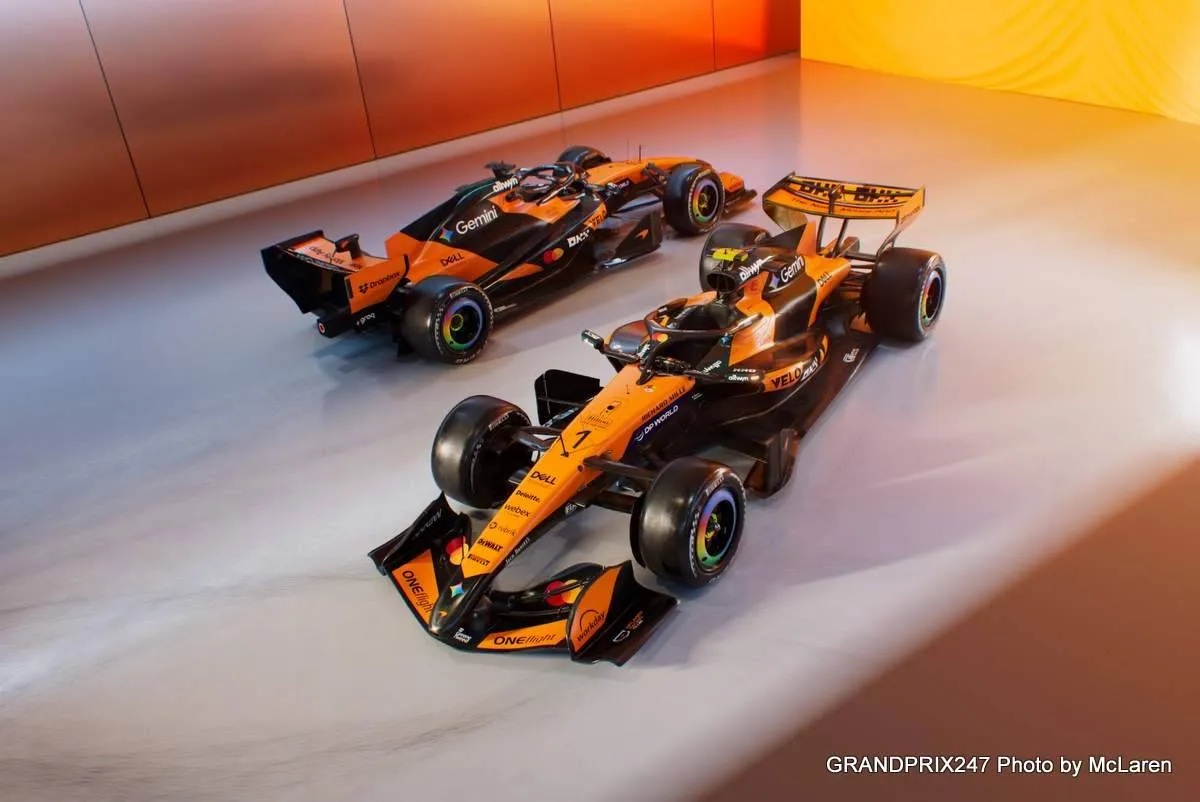
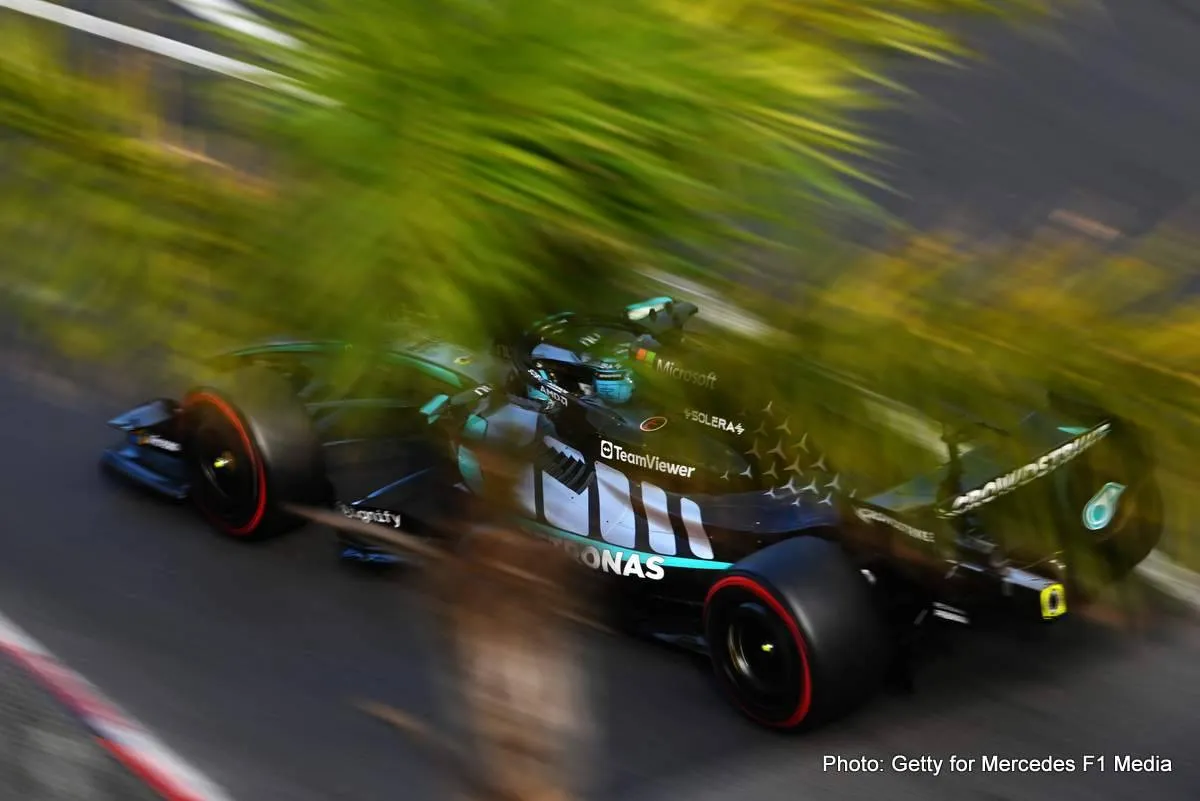
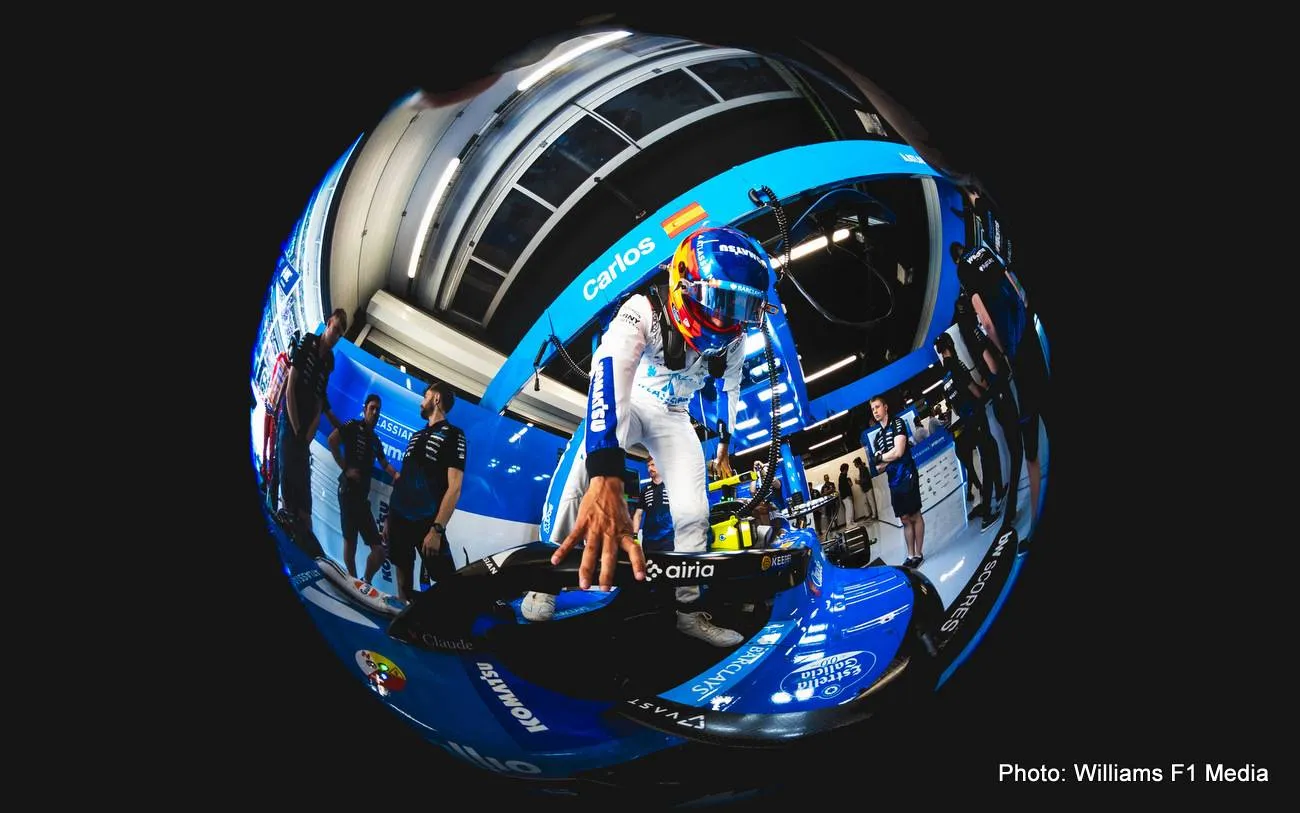
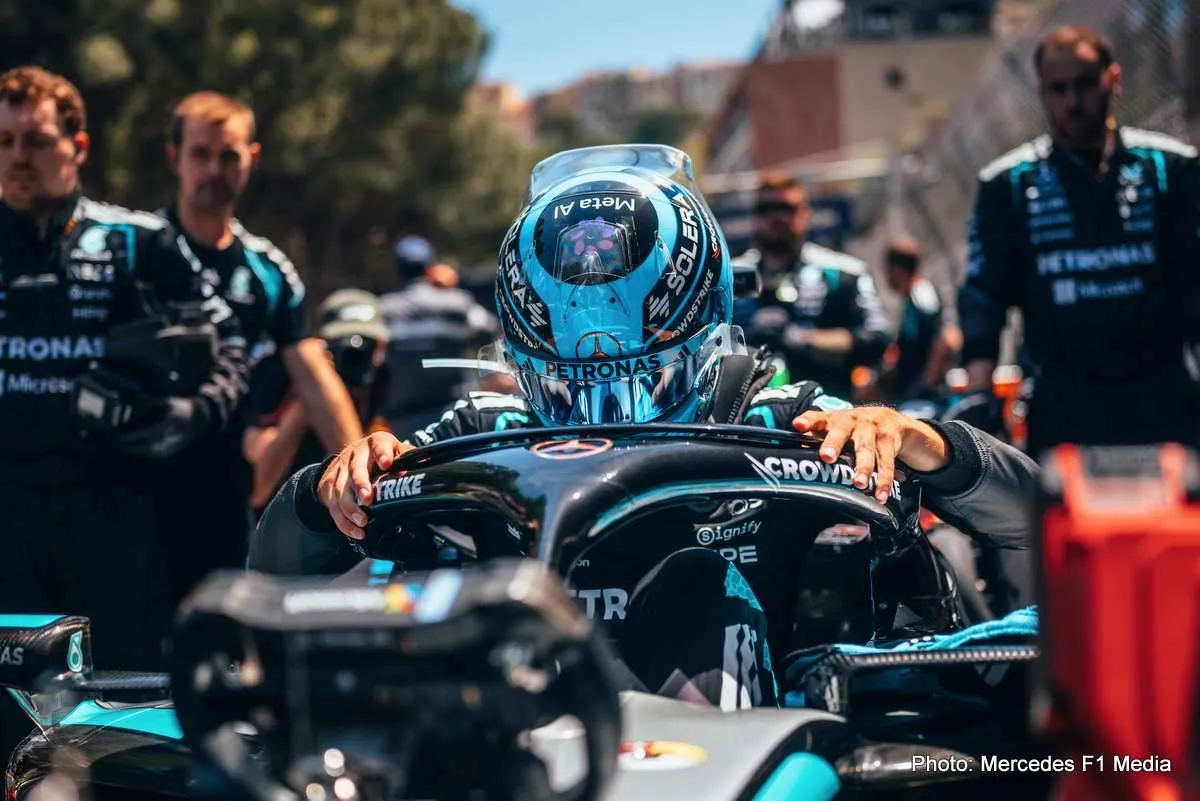
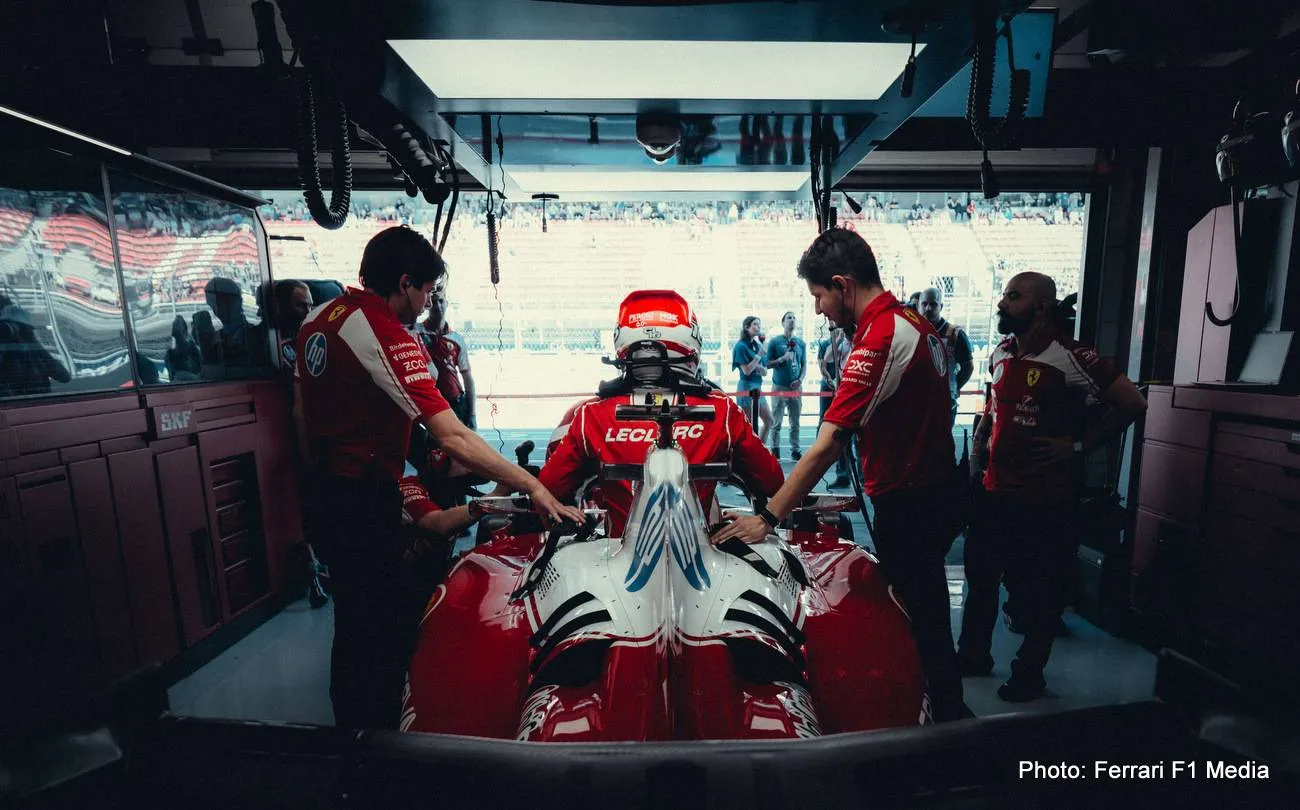
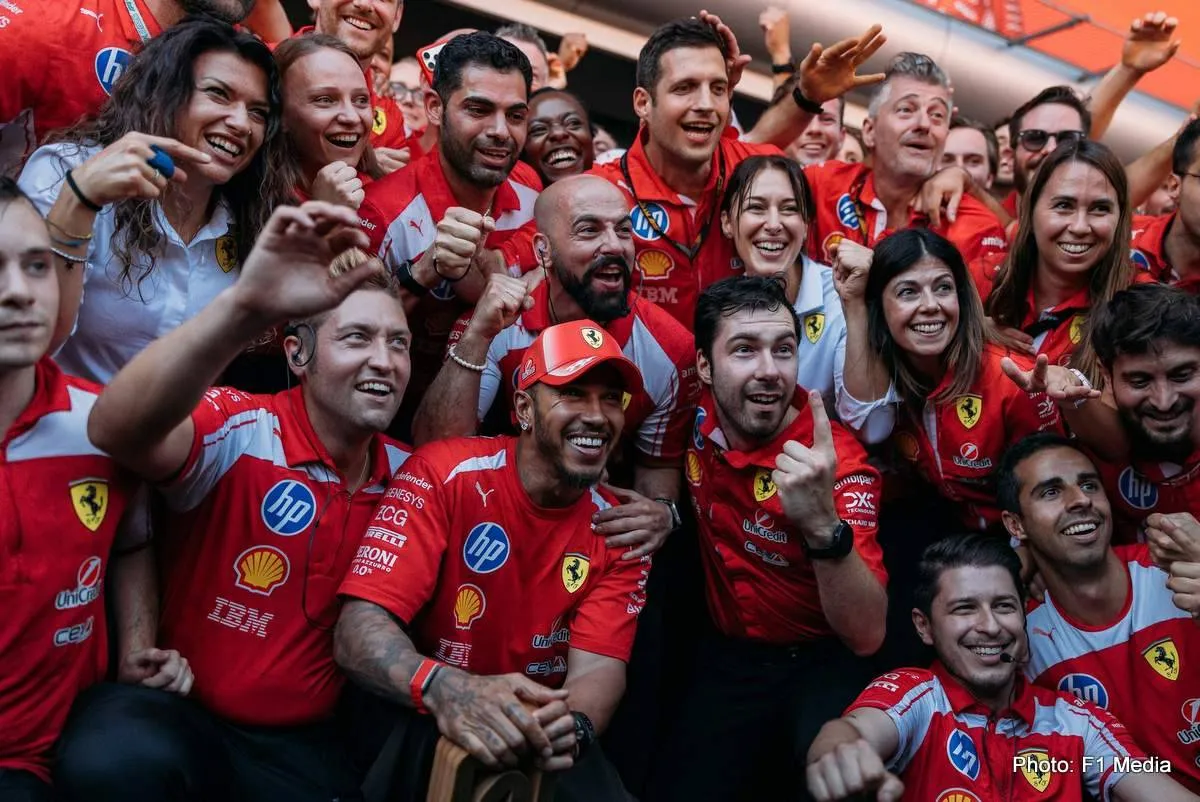
Look at the grid in 2026 and you are looking at the most expensive billboard in sport. Every wing, every sidepod, every millimetre of bodywork is sold.
The cars are new this year, lighter and narrower under the biggest regulation overhaul in the sport's history, but the one thing that did not change is the livery logic. The money is still written all over the machine, in full colour, at 200 miles an hour.
Formula 1 has never been shy about this. It is a racing series and a commercial spectacle in the same breath, and it has been that way for half a century. What is easy to miss is how much that commercial DNA has shaped not just the cars, but the way we all watch them.
Go back to the 1970s and the transformation is already underway. The garish tobacco liveries that defined a generation of F1, the reds and golds and whites that are now soaked in nostalgia, were sponsorship deals first and design icons second.
The sport ran on cigarette money for decades, and when that finally became untenable, it simply found new backers.
The tobacco years

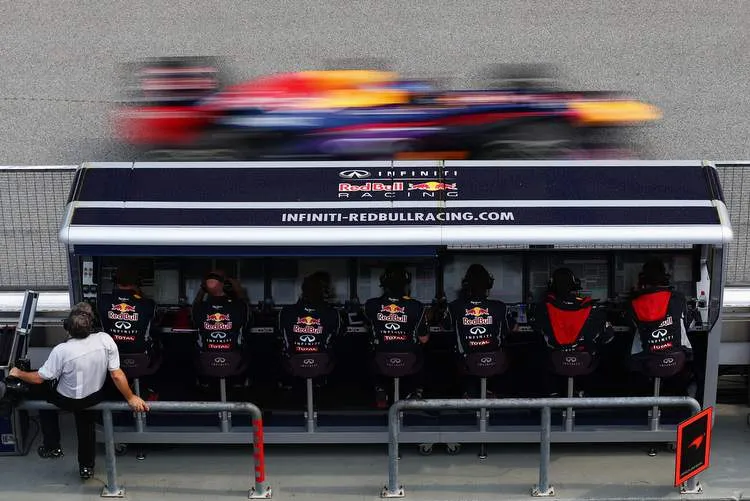
The shift since then tells you something about where the world's attention has gone. Tobacco gave way to telecoms, then to banks and watchmakers, then to the tech giants and lifestyle brands and crypto platforms that paper the modern grid.
Each wave of sponsors was a snapshot of which industries had money and wanted to be seen spending it in front of a global audience.
Here is the part that matters, though. F1 never pretended otherwise. Unlike sports that treat commercial partnership as a slightly embarrassing necessity, F1 wears it openly. The sponsor is not hidden in the small print. It is the car.
That honesty is part of the sport's character, and it set the tone for everything that followed, because a sport this comfortable with commerce was always going to be quick to commercialise the fan experience too.
For most of F1's history, being a fan meant roughly twenty Sundays a year. You watched the race, you argued about it on Monday, and then you waited two weeks for the next one.
The sport happened to you on a schedule. That is gone. Modern F1 fandom is continuous, and the commercial machinery is a big reason why.
How the Money Changed the Fans

Think about what following the sport actually looks like now. Live timing apps running on a second screen during the race. Fantasy F1 leagues that turn every practice session into something with stakes.
Data and telemetry that used to live inside the teams, now served up to anyone who wants to understand why one driver is half a second quicker through sector two. Onboard feeds, team radio, tyre-strategy graphics. The race is no longer a broadcast you watch. It is a dataset you interrogate.
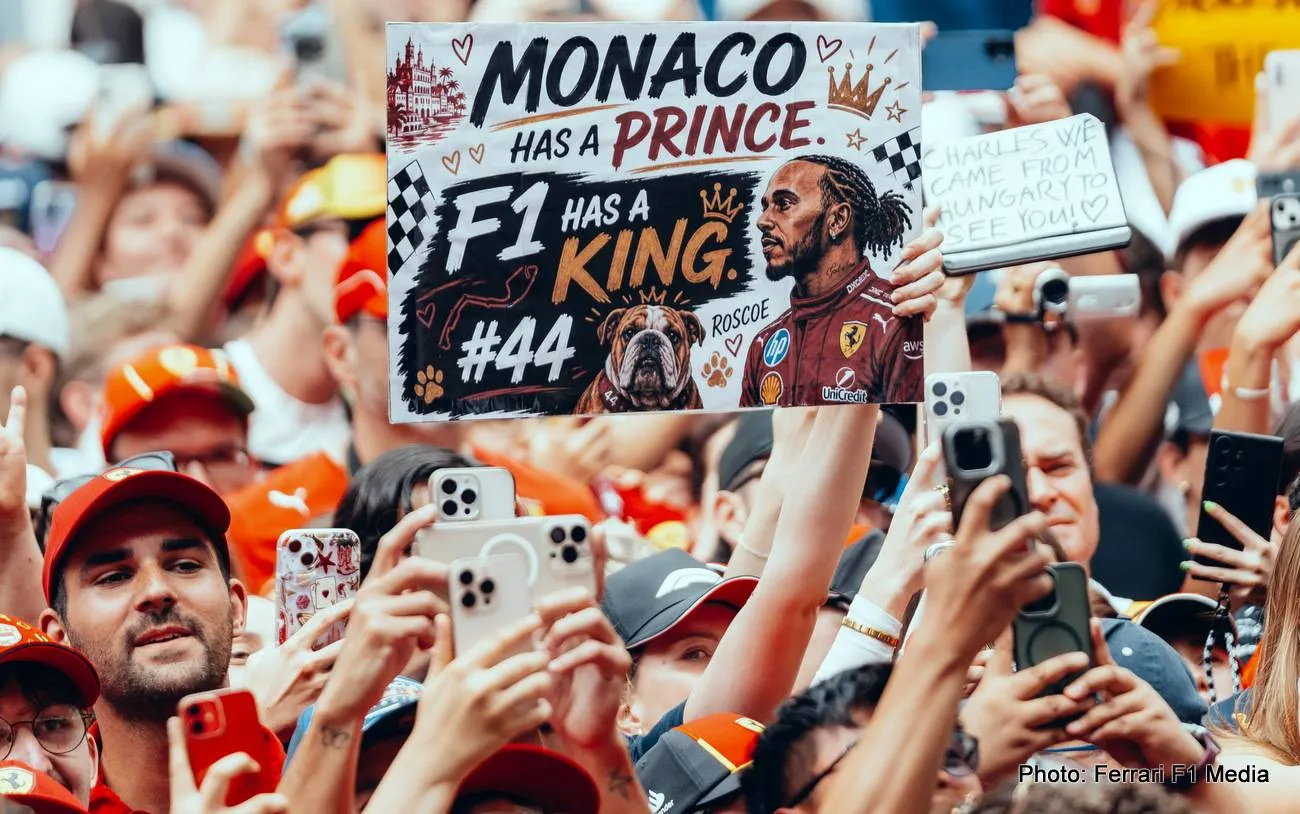
Then there is the cultural side, which Netflix kicked wide open. Drive to Survive did not just bring new viewers in; it changed what those viewers wanted. It taught a generation to follow the personalities, the rivalries, the politics of the paddock as closely as the racing itself.
The sport became a year-round story rather than a seasonal event, and the gap between race weekends filled up with content, speculation, and engagement.
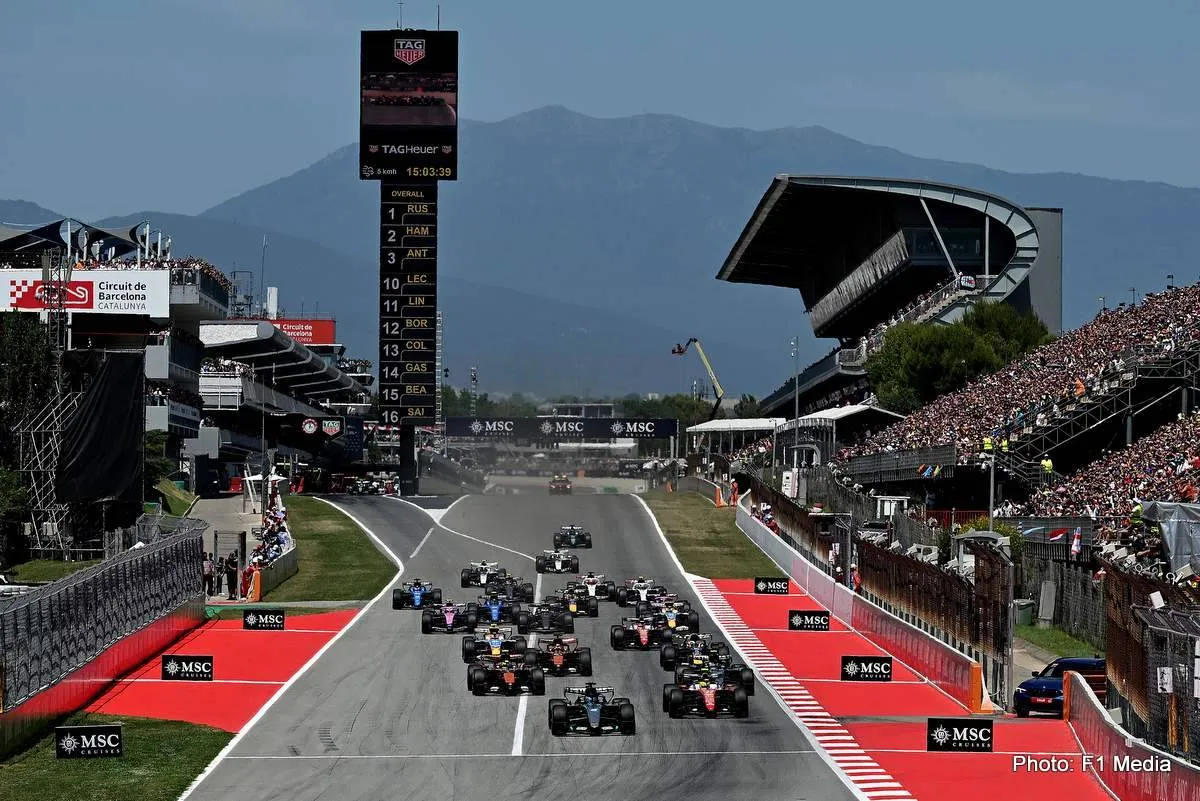
This is the genuine legacy of F1's commercial era. A sport that learned early how to package itself for sponsors learned, almost as a side effect, how to package itself for fans who never switch off. The European leg of the season is a good example of how that constant engagement works in practice, with back-to-back classic circuits keeping global audiences hooked through the summer stretch.
The 2026 Effect

The racing is the anchor. Everything around it is engineered to keep you there between the lights going out. It helps that this particular season gave fans an unusual amount to chew on.
The regulation reset tore up the form book. Active Aero replaced DRS, the power units changed, the cars shrank, and the predictable order of recent years dissolved into something genuinely open.
You can see it in how the early rounds played out. Lando Norris arrived as the reigning champion after McLaren's breakthrough in 2025, the team's first drivers' title since Hamilton in 2008.
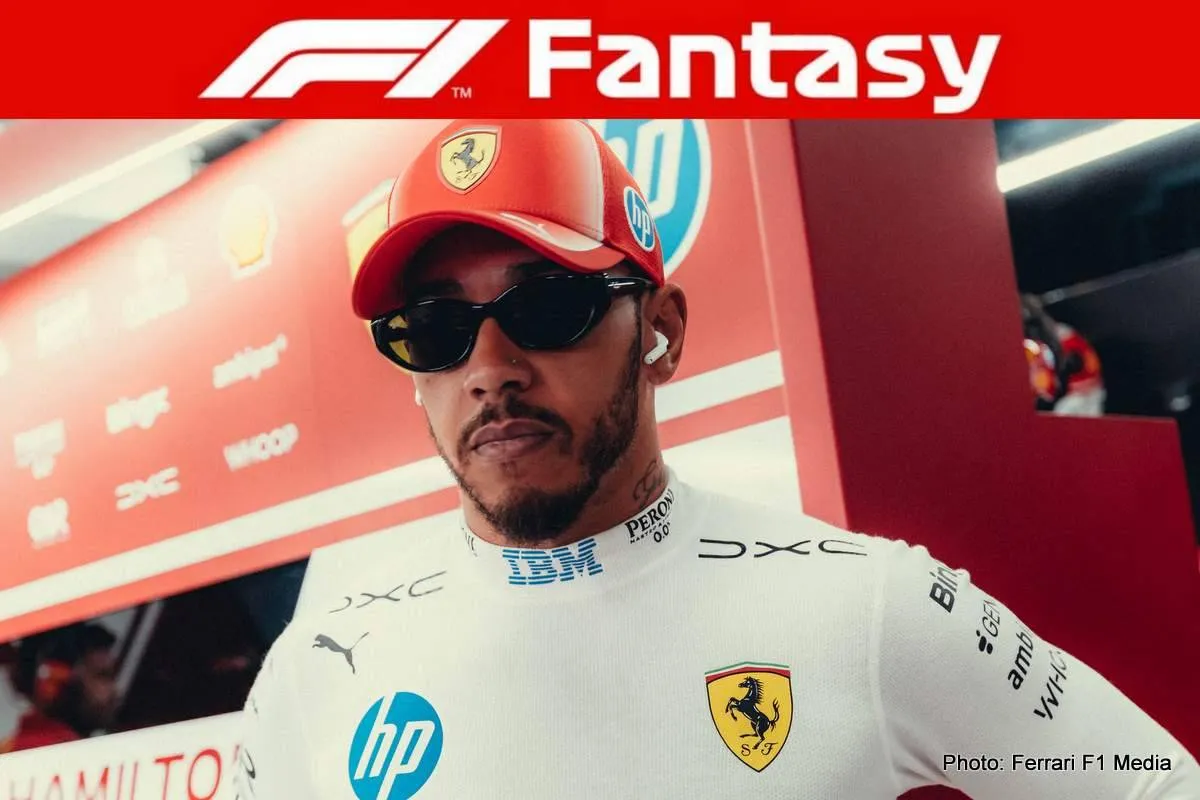
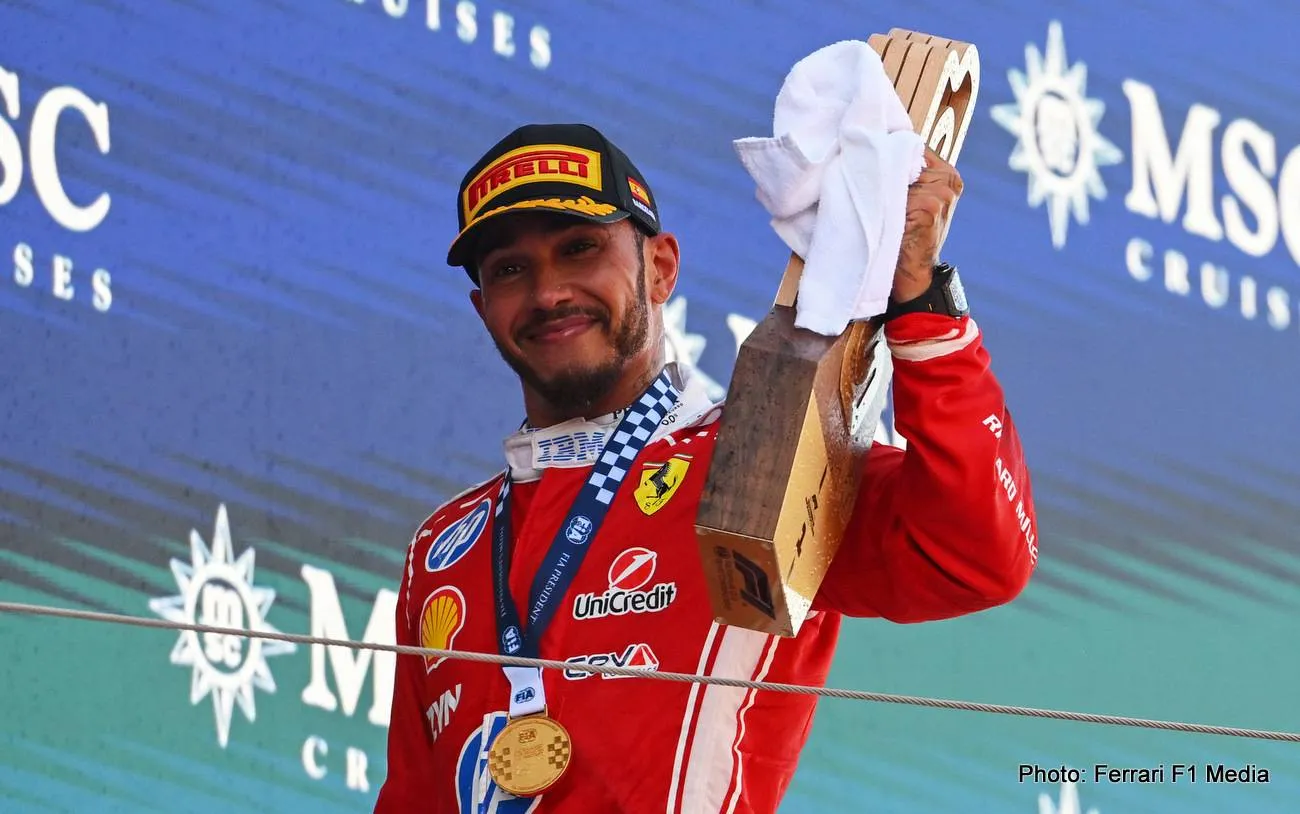
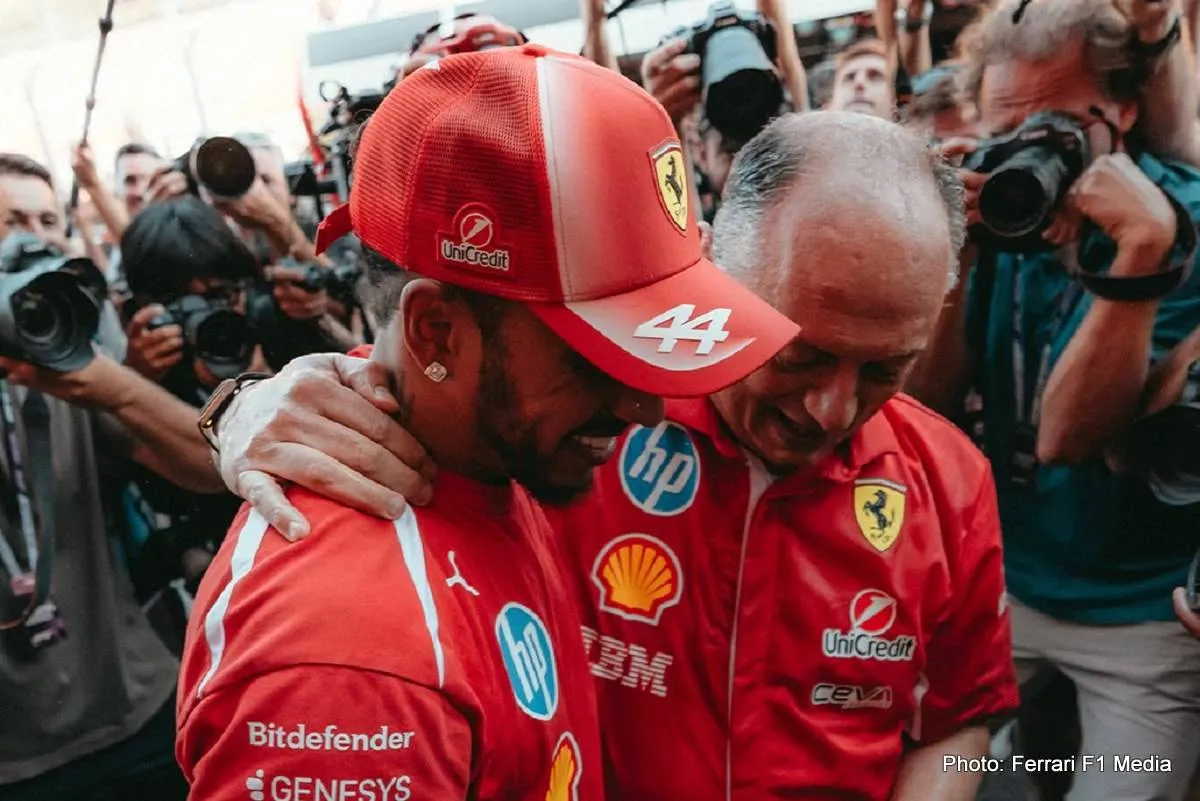
But the new rules scrambled the hierarchy, and names that had spent years in the supporting cast suddenly found themselves at the front. Lewis Hamilton finally won a race for Ferrari.
A new generation pushed into contention. For the fan who follows the sport closely, a season this unpredictable is rocket fuel for engagement, because every weekend genuinely matters and nobody can tell you in advance how it ends.
Uncertainty, it turns out, is the best content the sport can produce. And a fanbase already wired for constant engagement leaned all the way into it.
The UK Fan and the Question of Trust

Britain is one of F1's heartlands. Most of the grid is built within an hour's drive of Silverstone, the country produces an outsized share of the sport's engineers and drivers, and the UK audience is among the most engaged anywhere in the world.
That engagement extends well beyond the broadcast. UK fans interact with the sport through a wide entertainment ecosystem, and as that ecosystem has grown, so has something else: a sharper expectation around transparency and regulation.
British audiences have become noticeably more discerning about the platforms and services they use in their downtime, and a lot of that comes down to a simple preference for things that are properly licensed and clearly run, rather than opaque.
It is the same instinct that makes F1's open commercialism so palatable. Fans do not mind the money being visible. What they want is to know exactly who they are dealing with before they engage.
That demand for clarity has reshaped how UK fans approach the entertainment they spend time on between race weekends. The licensed UK market is crowded, and the differences that matter, who actually holds a UKGC licence, what the terms genuinely say, where the catches are buried, are not always obvious at a glance.
Where Fandom Goes Next

It is why comparison sites earned a role in the first place. PlayCompass does that specific job for UK players, lining up licensed casino sites side by side and laying out the terms plainly so the choice is informed rather than a leap of faith.
The logic mirrors the sport exactly: an audience perfectly comfortable with commerce, provided the commerce is honest about what it is.
The direction of travel is clear enough. F1 has spent fifty years getting better at selling itself, and the by-product is a fan culture that is richer, more constant, and more participatory than anything the sport's early audiences would recognise.
The next phase is already taking shape. More data, more access, more ways to follow a driver's weekend in close to real time. The sport keeps finding new surfaces to engage people on, and the commercial logic that built the modern grid will keep shaping how that engagement is delivered.
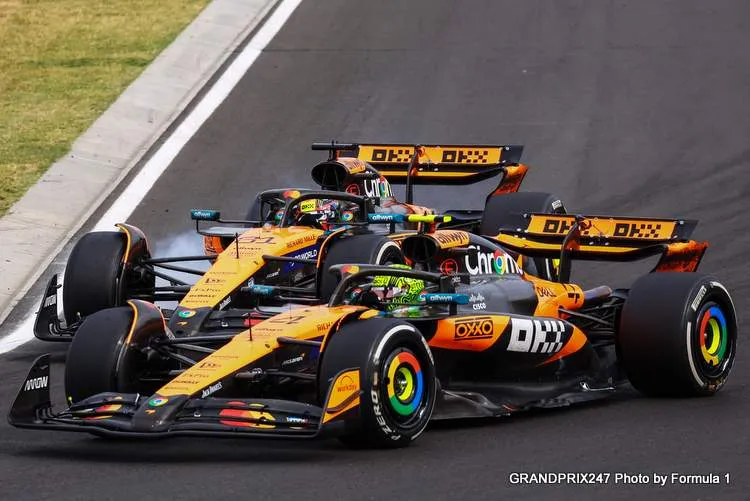
What stays the same is the thing underneath all of it. People watch because the racing is good, because a wheel-to-wheel battle into a braking zone is one of the most thrilling things in sport, and because a season like this one refuses to tell you how it ends.
The money built the stage. The racing is still the reason anyone shows up. And in a sport that has never once hidden the commercial machinery driving it, there is something fitting about a fanbase that increasingly asks the same of everything else: just be honest about it, and let us enjoy the show.
Latest News

Loading