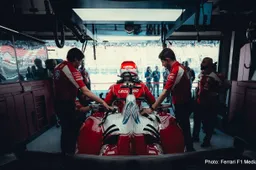
Why the 2026 Formula 1 rules has turned race strategy into an energy management battle
F1 NewsFriday, 19 June 2026 at 07:10
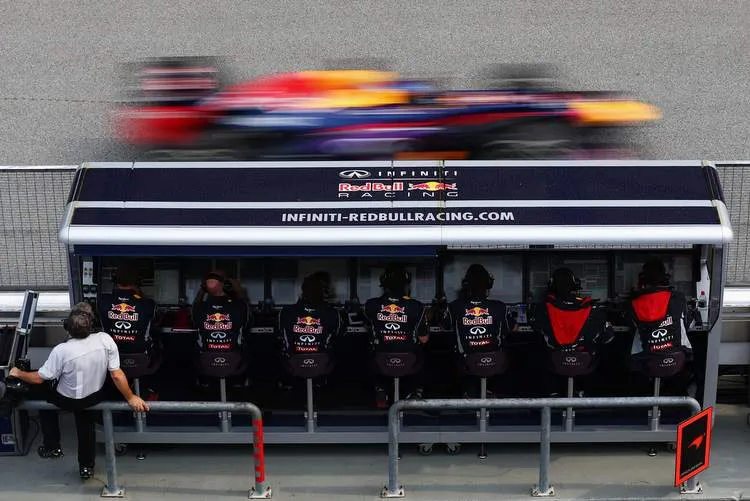
Formula 1 has entered a new era where raw pace is no longer enough. The 2026 regulations are making energy use, recovery and deployment central to how races are planned, attacked and defended.
The 2026 Formula 1 season is not just about new cars. It is about a different way of racing. With revised power units, active aerodynamics and new ways for drivers to manage electrical energy, teams now have to think far beyond tyres, fuel load and track position. Every attack, defence and lift of the throttle can influence what happens later in the stint.
That makes the racing more tactical for engineers, but also more interesting for fans. Modern audiences are already used to following live timing, tyre gaps, pit windows and sector performance while watching a Grand Prix. The same attention to timing and decision making can be seen across digital entertainment platforms such as Spinboss Casino, where rhythm and momentum shape the experience. In Formula 1, that sense of rhythm is now being pushed deeper into the machinery itself.
The result is a championship where energy management could become one of the defining skills of the season. The fastest car over one lap may not always be the strongest car over a race distance. The best driver may be the one who knows when to save, when to attack and when to force a rival into using more energy than planned.
Energy deployment is becoming part of race craft

In previous F1 eras, energy recovery systems mattered, but they were often hidden behind broader performance discussions. In 2026, they are much harder to ignore. The balance between combustion power and electrical power means that drivers and teams have to think carefully about when energy is used and when it is recovered.
That changes the meaning of an overtake. A move on the main straight is no longer only about slipstream, braking confidence and tyre grip. It may also depend on whether the attacking driver has enough stored energy to complete the pass, and whether the defending driver has saved enough to respond.
This creates a more layered form of race craft. A driver may pressure a rival for several laps, not just to pass immediately, but to make them spend energy defending. A team may tell its driver to sit back briefly, recharge and prepare a stronger attack later. Another driver may appear vulnerable for one lap, only to have more deployment available on the next.
For viewers, this means the visible battle on track may not tell the whole story. A car that looks passive could be preparing. A car that looks dominant could be draining its resources. Strategy is no longer only measured by tyre life and pit stop timing. It is also measured by how efficiently a driver converts energy into lap time at the right moments.
Active aero changes the tactical picture

The introduction of active aerodynamics adds another important layer. Instead of simply relying on a fixed aerodynamic setup for the whole lap, cars can adjust aerodynamic performance in specific situations. This helps reduce drag on straights and improve efficiency, which is especially important when energy use is so tightly connected to performance.
That means teams must consider how aero balance, battery deployment and circuit layout work together. A track with long straights may reward a different energy profile than a circuit with repeated braking zones. A car that is strong in clean air may behave differently when following another car, especially if it has to manage energy while staying close enough to attack.
This could make setup choices more complex. Teams will still chase downforce and mechanical grip, but they also need to make the car efficient across a lap. A car that is too draggy may burn through energy too quickly. A car that is too trimmed out may struggle in corners and overheat its tyres while trying to stay within range.
Drivers also have to adapt. The best racers have always managed tyres, brakes and fuel, but the 2026 rules increase the value of calm decision making. It is not enough to be aggressive. The driver must know when aggression is worth the cost.
Strategy teams have a new battlefield

The pit wall has always been a central part of Formula 1, but the 2026 rules give strategy teams even more to process. Engineers have to monitor not only tyre degradation, traffic and weather, but also energy state, recharge opportunities and the behaviour of rivals.
This may lead to new types of strategic calls. A team might ask a driver to give up a small amount of lap time to recover energy before a planned attack. Another team might encourage a driver to push hard before a pit stop because there is no need to save energy for later in the stint. In safety car periods, restart planning could become even more important, as teams look for the best balance between stored energy, tyre temperature and track position.
The biggest winners may be the teams that simplify this complexity for the driver. Too much information can become distracting at racing speed. The most effective communication will be clear, direct and timed well. Drivers need to understand the situation without losing focus on braking points, mirrors and changing grip levels.
This is where the new era could reward complete teams rather than just fast cars. Power unit efficiency, software, race engineering, driver feel and strategic discipline all have to work together. A small mistake in energy use could cost a place. A smart recovery lap could set up a pass. A perfectly timed deployment could decide a podium.
Formula 1 has always been a contest of speed, but 2026 is making that speed more conditional. The fastest route to the chequered flag may now depend on knowing when not to use everything at once.
Latest News

Loading