Mark Blundell: Formula 1 used to be an art form, now it’s not even real racing
F1 NewsThursday, 23 July 2026 at 08:00
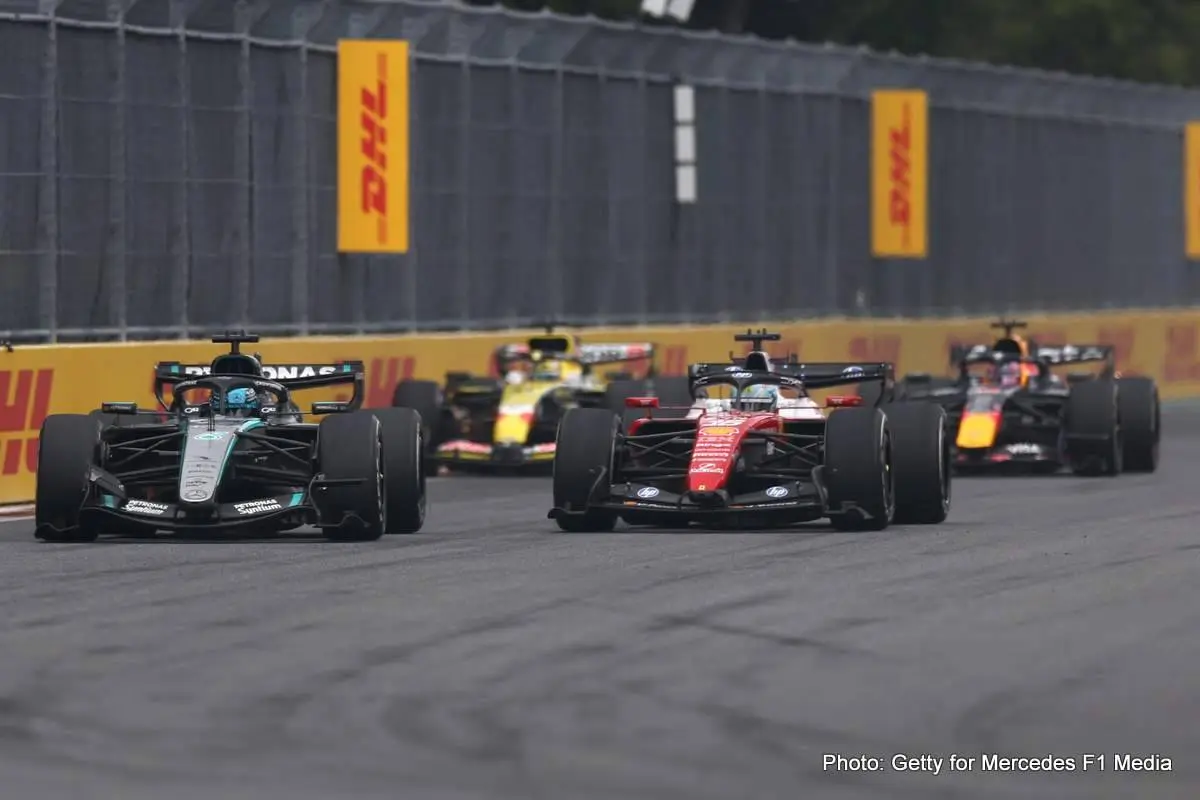
Ex-Formula 1, Indy, & Le Mans driver Mark Blundell has criticized the importance of battery management in modern F1, something he views as against the very spirit of motorsport.
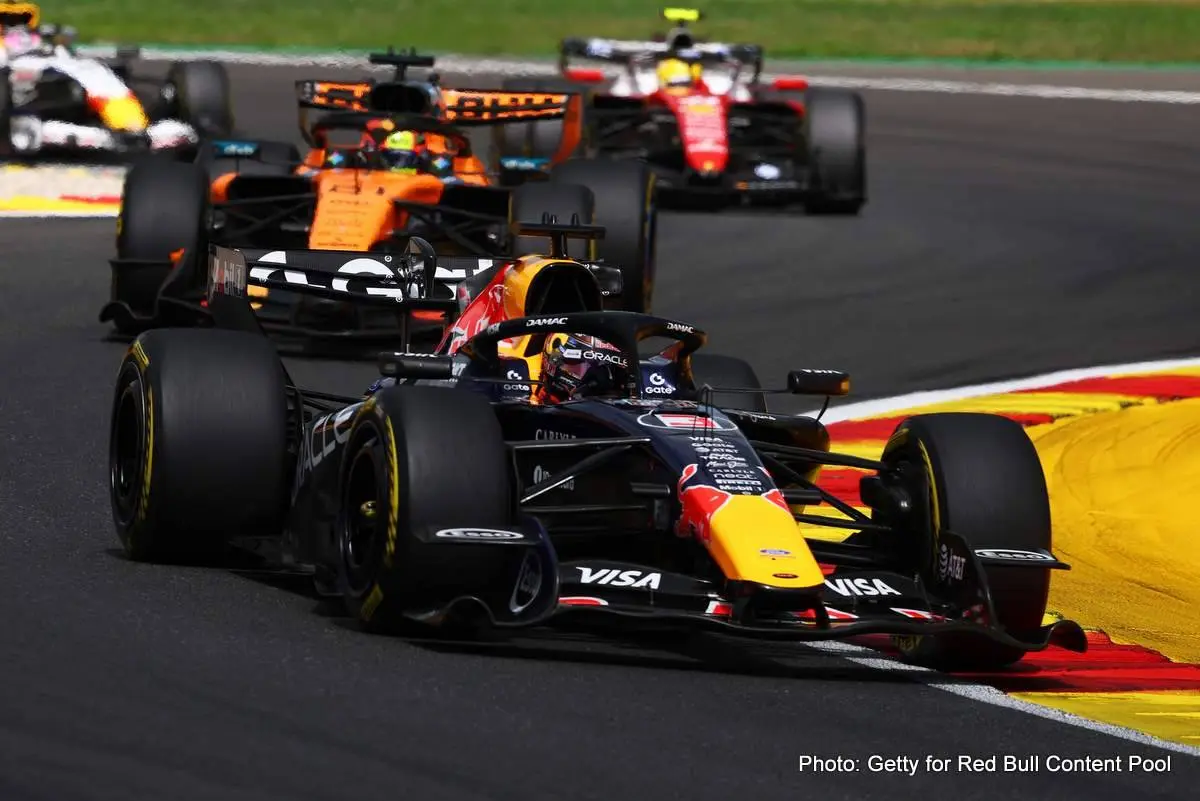
The ethos of F1 has always been to push to the absolute limit, but this year’s regulations have forced drivers to carefully manage energy recharge and deployment. This has led to some strange scenarios. At the Belgian Grand Prix, for instance, drivers were visibly unable to push until the end of the lap.
Yo-yo racing is another symptom of the illness that has befallen F1 in 2026. Those who deploy too much energy are being punished a few corners later. Drivers have also had to contend with automated, self-learning systems that cause unpredictable spikes in speed.
After a 50G crash at Suzuka, changes were pushed through. But these won’t alter the fundamental problem: push-to-overtake isn’t considered real racing by long-term fans. Asked whether F1’s rules can be saved, Blundell told GrandPrix247 via Casino Groups that a bigger overhaul will be needed if we’re going to bring back authentic overtaking.
Blundell said: "You could just make a quick fix by giving them consistent energy and consistent power, but I think that's [only] half the issue now.
“It's almost like ‘racing by Apple Mac.’ You've got to program the lap as opposed to actually just driving from a human input and output with an understanding of what's underneath you.
“Your lap time is derived from when you push a button and deploy energy at a certain point in the track… that just isn't Formula 1 for me. That isn't motorsport. That isn't racing.”
Seat of your pants racing: A lost art?

No doubt, safety has come on leaps and bounds since Blundell’s days. But advances in technology have also driven a wedge between man and machine. Battery b*llocks is now so prevalent, drivers are no longer able to make the difference on their own.
Blundell readily admits that management was also necessary in the 1990s. It’s just that “human input was still quite attributable to lap time,” and he believes some of the artistry that previously kept the sport so relatable has been lost over the years.
He added: “From a racing point of view, there’s almost an art form to keeping a gearbox intact for a whole grand prix. There was almost an art form in slipstreaming somebody to make the move, making it count, and keeping it stuck. There was also human error, and when something happened, the next person would capitalize on it.
“Now we have so much technology, with so many backup systems. We have so much going on that the driver's engineering prowess needs to be extremely heightened.
“With the amount of data that's being fed back and coming through the system on the back end with the team, I just wouldn't mind toning it back a little bit and getting back to some of the purity.”
Returning to “old school” racing values

Of course, F1 has never been so profitable. So, Blundell leaves the door open to contrarian points of view on what constitutes ‘exciting racing.’ However, he makes a convincing point about the modern limitations preventing drivers fighting each other wheel-to-wheel.
From DRS to ground-effect aerodynamics, F1 is the subject of constant fiddling about. Over the years, there have been numerous efforts to improve overtaking. Blundell argues that recent changes have been counterproductive, leading to artificial moves and a decline in traditional duelling: a discipline that required true mastery.
His remedy? More consistent performance, so drivers can push to the limit. And fewer technological toys. Blundell says a return to the racing of the past would be no bad thing, and if youngsters watched races of old, “they’d see some really good, entertaining motorsport.”
“Maybe I'm too old school,” he concluded. “For me, it's like qualifying should be one set of tyres (a very sticky set), low fuel, and go for it.
“Racing should be like it's a sprint. There should never ever be a situation where someone is harvesting energy or conserving it to do a lap. Over the course of a grand prix, it should be 100% flat out.”
Petition to make Blundell FIA President? He’s a seasoned pro that speaks for the fans, so it’s unlikely to happen. But hopefully the powers that be start listening, he’s onto something. Right now, we’re forced to talk about batteries way too much. It’s time to bring back F1’s star quality and main differentiator: the heroics of its drivers.
Latest News

Loading