Spa-Francorchamps exposed Formula 1’s power unit software-controlled anti-racing chaos
F1 NewsWednesday, 22 July 2026 at 19:07

Formula 1’s controversial 2026 power units were exposed at Silverstone. Last weekend, at Spa-Francorchamps, the currentengine shortcomings became impossible to disguise, triggering embarrassment for the sport and its rulemakers.
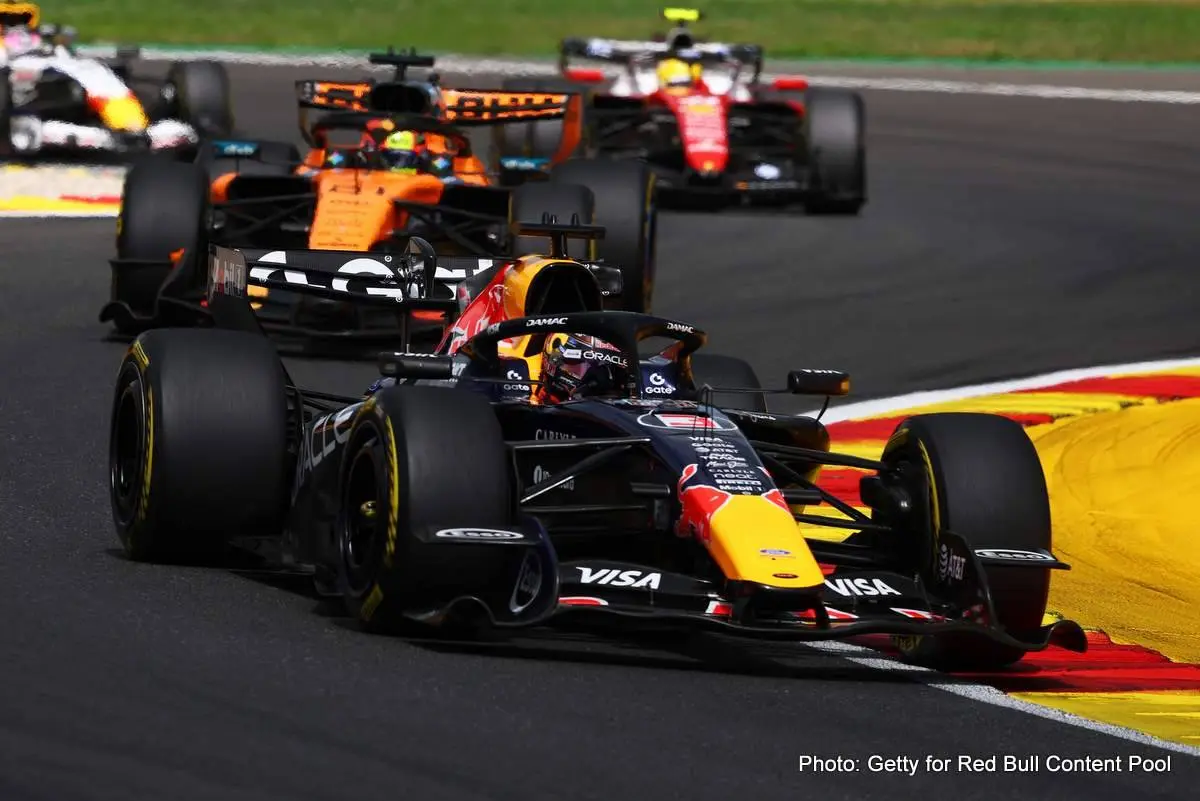
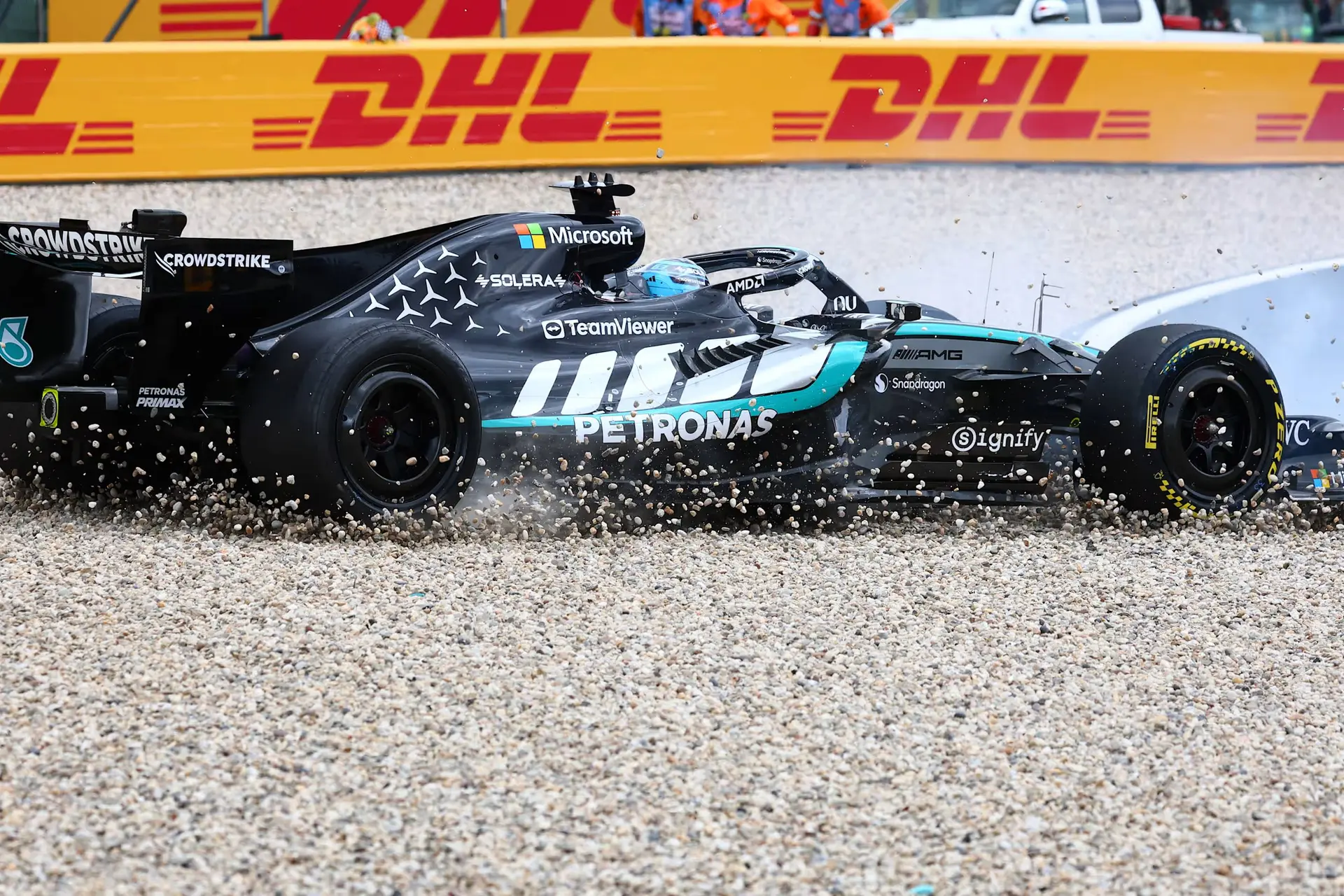
Power Unit induced drama at the Belgian Grand Prix began on lap one, with George Russell lacking electrical deployment, before his Mercedes suddenly received a surge of power approaching Les Combes. The sequence arguably contributed to the opening-lap melee which left the Mercedes beached and the title contender out of the race.
It was a brutal example of how unpredictable the current power units have become. Drivers cannot always be certain how much performance will be available when they press the accelerator.
Russell initially lost momentum after Eau Rouge as rival cars swept past on the Kemmel Straight. Moments later, the Mercedes appeared to recover its missing deployment as the field compressed under braking.
Whether the power surge directly caused the collision is debatable. What is not in dispute is that inconsistent deployment played a significant part in creating the speed differences between the cars. Notably the works Mercedes cars were strangely slower than several customer-powered rivals during the opening laps.
Mercedes supplies McLaren, Williams and Alpine, yet its own cars appeared particularly vulnerable on the Kemmel Straight. Russell suffered most severely, while race winner Kimi Antonelli described the opening phase as “crazy” because cars were arriving with dramatically different amounts of electrical energy.
Software-related fault affecting power units

Mercedes later identified a software-related fault affecting its power units after Turn 1. A start-related setting remained active longer than intended, draining electrical energy before the cars reached the Kemmel Straight.
Every Mercedes-powered team encountered the problem, although the consequences varied between drivers. Russell’s particular difficulties were compounded by an energy-management issue that had already affected him throughout the weekend.
Mercedes struggled to understand why his driving inputs and settings created a greater performance loss than Antonelli’s. Minor differences were reportedly costing several tenths of a second on the straights.
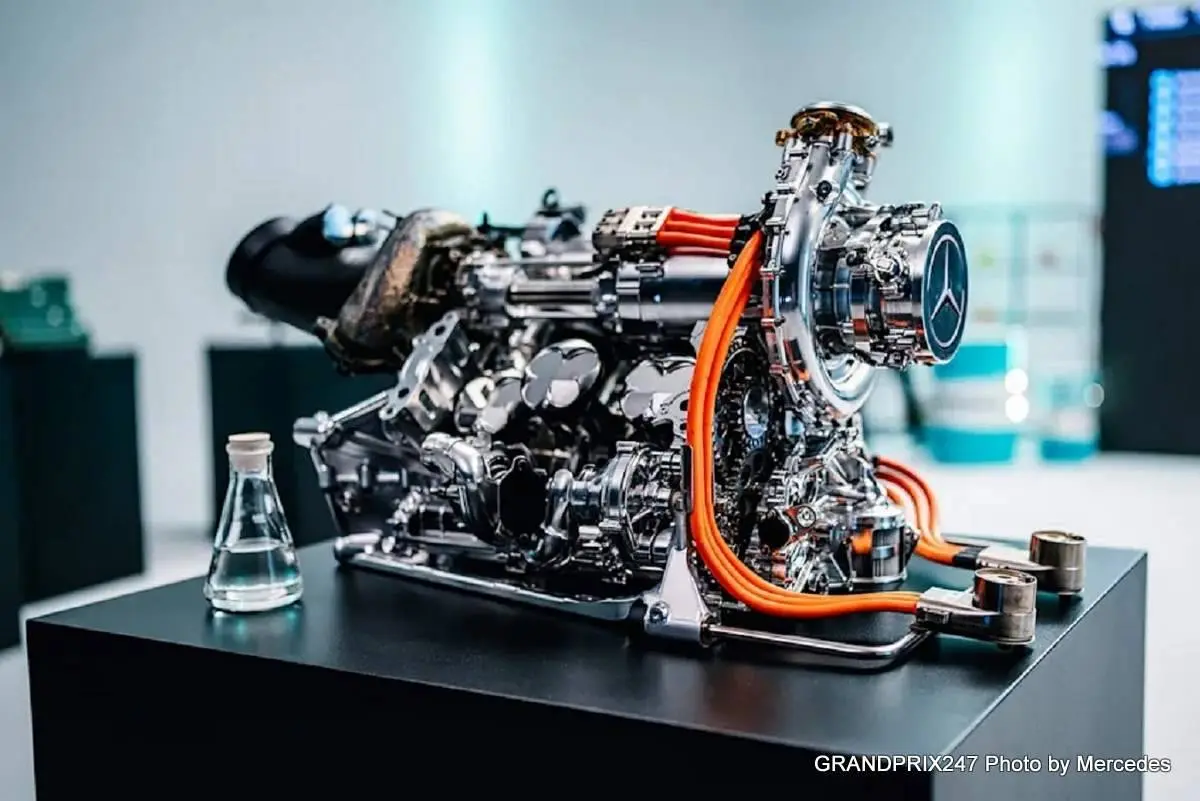
That uncertainty is central to the problem. Formula 1 teams are operating enormously expensive power units they do not appear to fully understand.
Spa should reward commitment, aerodynamic efficiency and bravery through some of Formula 1’s most demanding corners. Instead, drivers were forced to treat sections of the circuit as opportunities to harvest electrical energy. Corners once attacked at maximum speed effectively became charging stations.
Best Qualifying time 4-seconds slower than last season

The new power units rely on a near-even contribution from the internal combustion engine and electrical system. However, Spa offers long full-throttle sections without enough heavy braking zones to replenish the battery.
Once electrical deployment was exhausted, drivers were left with considerably less power, at times passengers. Top speeds varied enormously depending on how much energy each car had retained.
Some cars reportedly lost close to 50km/h after Blanchimont once the electrical boost disappeared. Speeds through Pouhon were also approximately 35km/h lower than in 2025.
The lap times told the same story. Qualifying was four seconds slower than last season, while race laps were regularly four to five seconds off the pace of the previous generation.
Formula 1 cars were powering around Spa while their drivers focused less on racing and more on battery management, and on edge catching software induced surprises.
Oscar Piastri delivered the sharpest assessment of the situation. The McLaren driver said: “It sucks. When you’ve got qualifying grids decided by computers behaving or misbehaving, it’s a pretty crap way of going racing.”
Piastri explained that the systems are extremely sensitive to driver inputs and software calibration. Something done during an out-lap can influence how much electrical deployment is available on the following flying lap.
Formula 1 reduced to Formula 3 power

The issue is not restricted to Mercedes. Every manufacturer is attempting to understand the complicated interaction between combustion power, electrical energy, recovery and self-learning software.
This creates a scenario in which the driver may execute a qualifying lap perfectly, yet still lose performance because the computer has calculated deployment differently. The fastest driver is therefore not always rewarded. The result can depend on which car’s software provides maximum power at the correct moment.
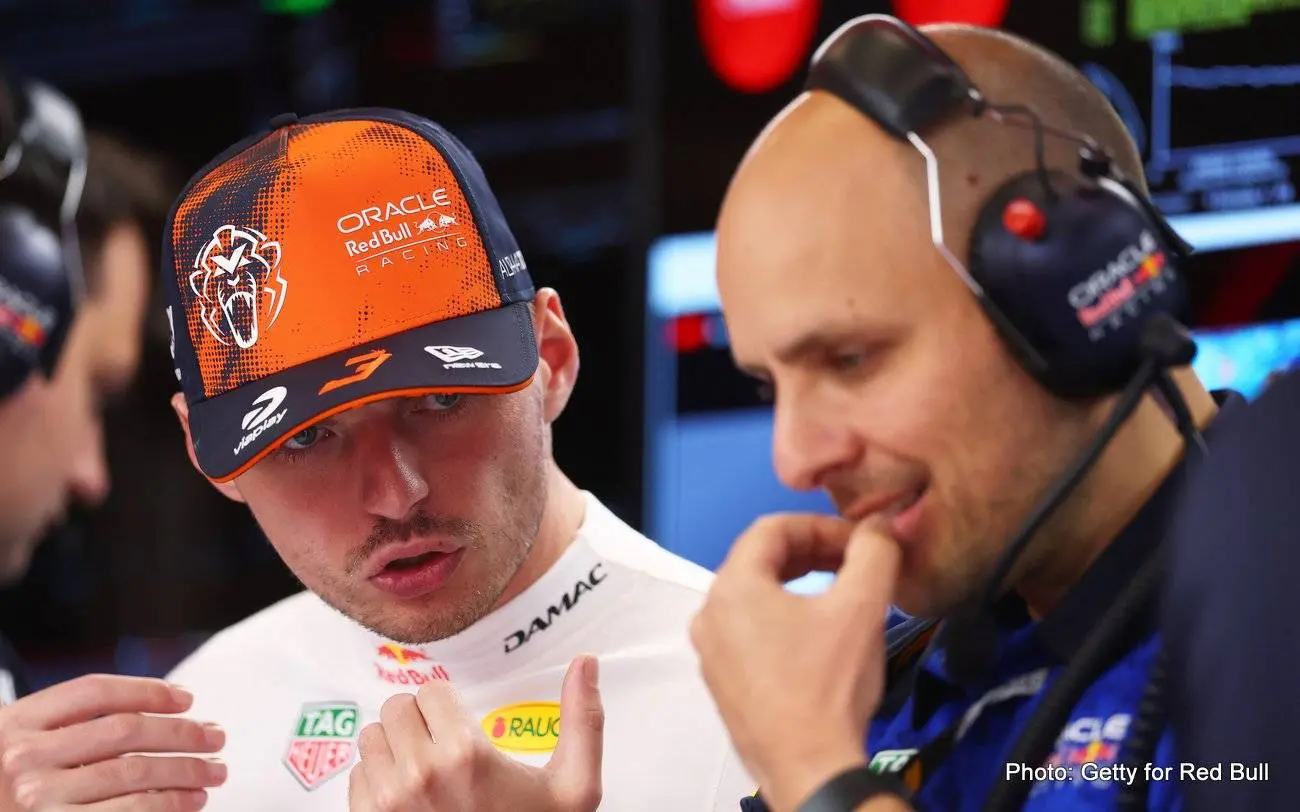
Four-time Formula 1 World Champion, Max Verstappen compared driving without electrical deployment to using Formula 3 levels of power. The Red Bull driver estimated that the internal combustion engine alone delivered approximately 450 to 500 horsepower while still pushing an F1 car’s aerodynamic drag.
“That is not very exciting to drive," said Verstappen, who went on to describe the 2026 F1 regulations as a “jungle”, reflecting the confusion surrounding energy harvesting, deployment modes and the procedures drivers must follow.
Seven-time Formula 1 World Champion, Lewis Hamilton was equally critical: “It’s just not good on the straights. Whoever made the decision, they’ve still got their jobs.”
Silverstone provided warning, Spa delivered reality check
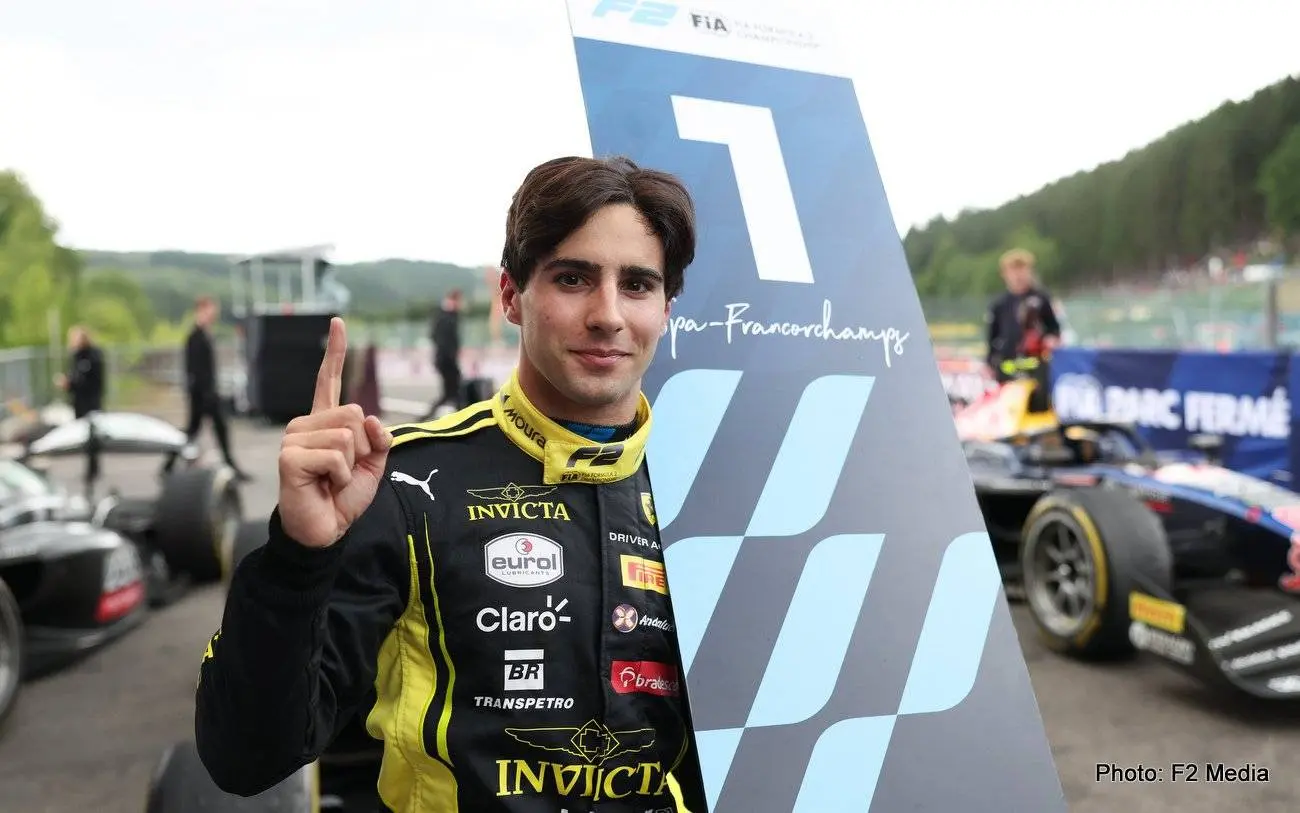
Franco's sensational double pass from onboard! 🤩#F1 #BelgianGP pic.twitter.com/w6x5NrP3RF
— Formula 1 (@F1) July 21, 2026
The sport's most experienced driver, Fernando Alonso highlighted the same fundamental problem. Spa’s layout demands sustained power but provides too few opportunities to recover the required electrical energy.
McLaren Team Principal Andrea Stella acknowledged that simulations had predicted the situation. That does not make the outcome acceptable when Formula 1’s regulations diminish the defining challenges of its greatest circuits.
The 2026 regulations were promoted as a technologically advanced and sustainable direction for Formula 1. Instead, Spa showed drivers becoming passengers to software, while cars gained and lost hundreds of horsepower depending on battery deployment.
Planned changes from 2027, including a greater internal combustion contribution and increased fuel flow, may reduce the energy-starvation problem. They will not necessarily resolve the deeper calibration and software sensitivity exposed by drivers.
Formula 1 cars should challenge drivers because they are brutally fast. They should not leave them wondering whether the computer will provide power.
At Spa, the power units became more influential than the drivers. That is not sophisticated racing. It is complexity undermining competition.
Latest News


Loading
