Some technical insights ahead of the 2026 Formula 1 Hungarian Grand Prix
F1 NewsThursday, 23 July 2026 at 08:59
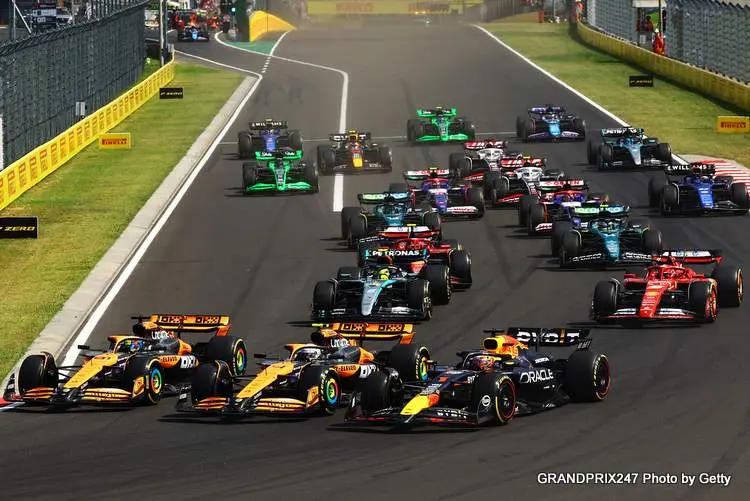
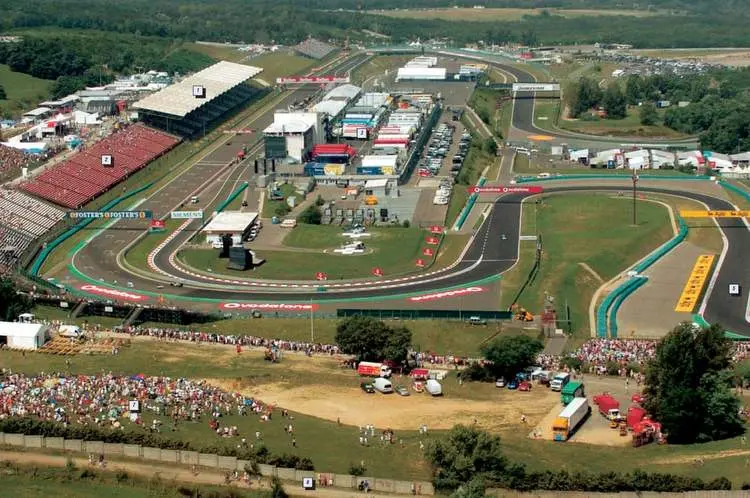
Williams chief trackside engineer Paul Williams expects tyre management and aerodynamic performance to be decisive at the Hungarian Grand Prix, with overtaking opportunities likely to remain limited at the Hungaroring.
The Budapest circuit is dominated by low-speed corners, although the faster sequence between Turns 8 and 11 increases the importance of aerodynamic load.
Power and drag are expected to play a smaller role than at most Formula 1 venues, making high downforce the main performance differentiator.
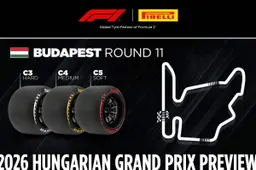
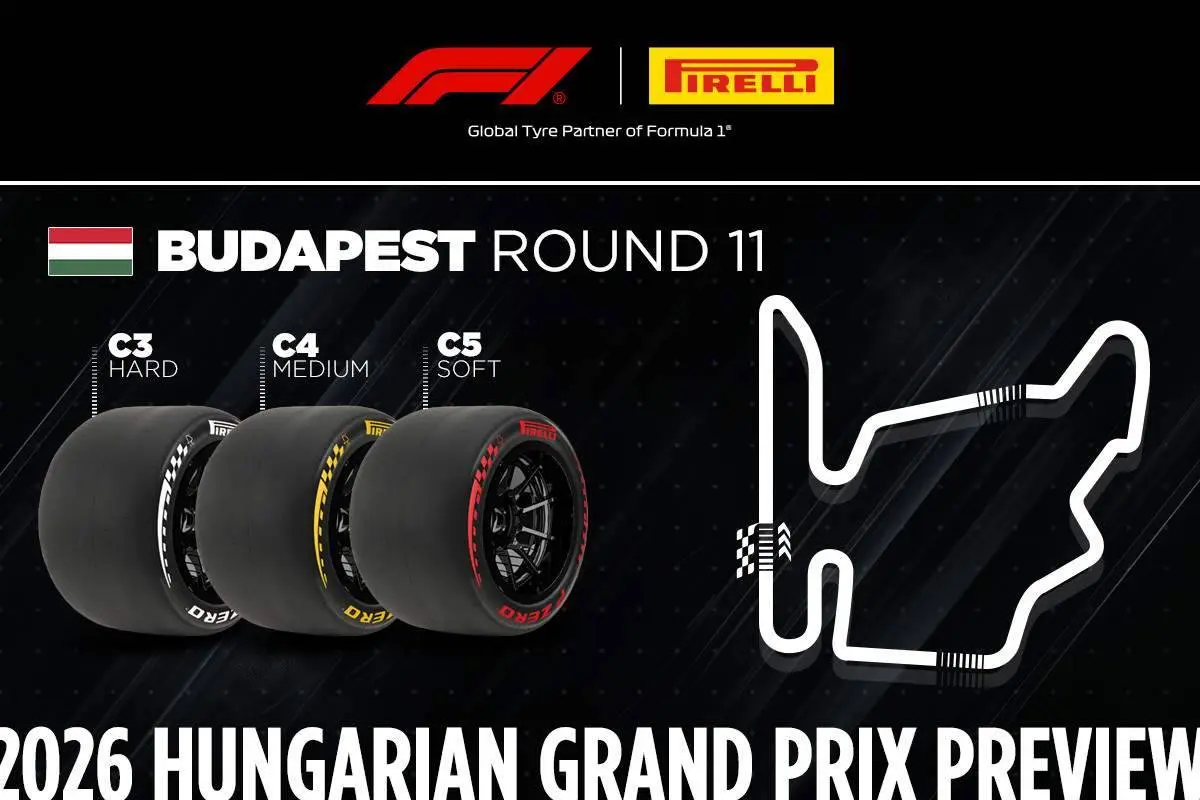
Rear tyre management will also be critical, particularly if temperatures are high. The softest available Pirelli compound range has been selected for the weekend, reflecting the circuit’s high energy demands and traction-heavy layout.
However, that allocation is also likely to increase rear tyre overheating and wear.
Preparing the tyres for qualifying will be another challenge because of the short lap, with drivers needing to manage their out-laps carefully while avoiding traffic.
Tyre saving is expected to play a major role during the race, especially through Sector 2, where drivers can reduce degradation without losing as much time to rivals. The tyres receive little opportunity to cool apart from the main straight approaching Turn 1.
The Hungaroring is less demanding in terms of energy management than Spa-Francorchamps, which hosted the previous round. Williams described it as the least energy-sensitive circuit visited this season apart from Monaco.
Four straight-line-mode zones have been introduced for 2026. They will remain available in wet conditions, although their activation points will be moved further along the circuit.
All three tyre compounds are considered viable for the race, but the medium and hard tyres are expected to be better suited to longer stints. Teams could therefore adopt a range of starting tyre choices.
Williams expects a two-stop race because of moderate degradation, although a reduction in tyre wear of about 20% could make a one-stop strategy possible.
The Hungaroring is rated as the third-most difficult circuit for overtaking on the 2026 calendar, increasing the importance of qualifying position and strategy. Passing is particularly difficult when cars have only a small tyre-performance advantage.
The probability of either a Safety Car or Virtual Safety Car period is estimated at 20%.
Latest News

Loading