Hungarian heat set to test tyres as Formula 1 heads into summer break
F1 NewsThursday, 23 July 2026 at 08:57
High track temperatures and limited overtaking opportunities are expected to make tyre management a central factor at this weekend's Hungarian Grand Prix, the final Formula 1 race before the summer break.
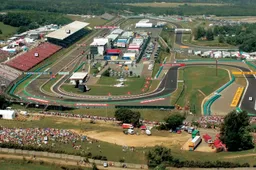
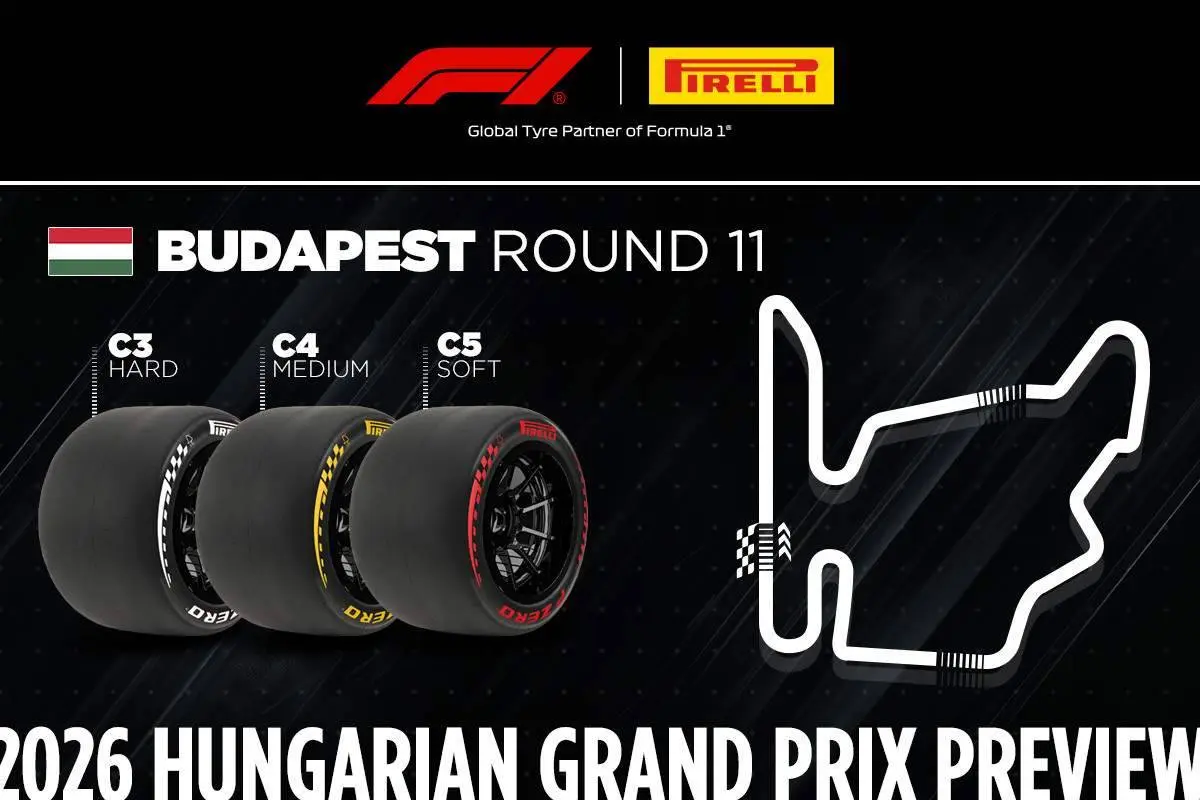
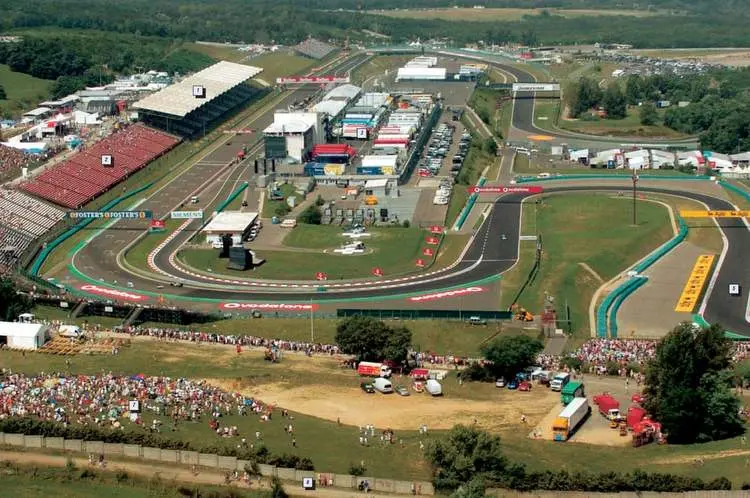
The 4.381-kilometre Hungaroring, which features 14 corners and only one significant straight, places a premium on traction, braking stability and aerodynamic downforce.
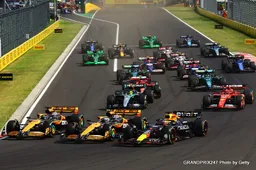
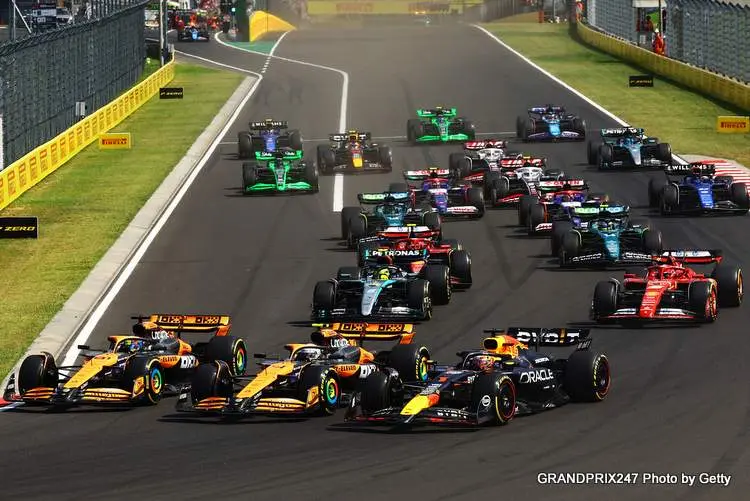
Often compared to a karting circuit because of its short and twisting layout, the track offers few clear passing opportunities beyond the start-finish straight. Drivers will complete 70 laps, negotiating several slow corners and 180-degree turns.
Car configurations are therefore usually similar to those used in Monaco, where maximum downforce and mechanical grip are more important than outright straight-line speed.
Pirelli has selected the three softest compounds in its range for the race, with the C3 designated as the Hard, the C4 as the Medium and the C5 as the Soft.
The circuit surface varies considerably after several phases of refurbishment. Turns 1 and 12 have been resurfaced for the 2026 event, following work on the pit lane and starting grid last year.
Track evolution will be high

Other sections retain an older and rougher surface, while overall grip levels are among the lowest of the season. That is expected to produce significant track evolution as more rubber is laid down during the weekend.
Track temperatures at the Hungaroring are traditionally among the highest recorded during the Formula 1 season, increasing the risk of thermal degradation.
The rear tyres are particularly vulnerable because of the repeated acceleration zones, while graining could also affect the softer compounds.
Pirelli expects tyre wear to leave one-stop and two-stop strategies relatively close in terms of total race time.
Teams will have to balance tyre performance against track position, however, because overtaking can be difficult and additional pit stops risk dropping drivers into traffic.
If temperatures remain high, teams are expected to place greater emphasis on the C3 and C4 compounds during the race.
The Hungarian Grand Prix will also mark the end of the first half of the season before Formula 1 begins its summer shutdown.
Pirelli will remain at the Hungaroring after the race for two days of testing with Aston Martin, Audi and Alpine on Tuesday and Wednesday as it continues development of its tyres for next season.
Latest News

Loading