How Formula 1 Teams Use Data Analytics to Improve Race Performance
F1 NewsThursday, 02 July 2026 at 03:19

Modern Formula 1 racing depends on rapid information processing as much as on pure speed. Teams constantly analyze streams of data to gain crucial milliseconds during each phase of a race weekend.
The ability to make smarter, faster decisions can be the difference between victory and defeat on the circuit. At the forefront of motorsport, Formula 1 teams use data analytics to guide almost every strategic and technical decision. When the flag drops, results are shaped not only by machinery and driving skill, but by the quality of analysis and interpretation behind the scenes.
Teams collect vast quantities of data from car telemetry, weather models, and rivals’ actions, processing it all with minimal delay. Interpreting these data streams quickly, much like the real-time response loops in slots, highlights how fast-evolving technology impacts competition. Analytics now support everything from car setup to intricate race strategy decisions.
Collecting and decoding vital race weekend data
During every Formula 1 weekend, sensors fitted across the car generate streams of telemetry on power unit behavior, tire temperature profiles, brake efficiency, and aerodynamics. This information is relayed continuously to the pit wall and remote operations centers, where engineers translate it into actionable feedback. Teams monitor these variables to assess reliability risks and optimize the car's performance throughout each session.
Track evolution is also central to the data picture. As rubber builds up and wind patterns shift, the racing line may provide more grip or lose performance. Environmental sensors and laser track mapping help teams adjust their models for surface temperature, grip levels, and humidity, affecting tire behavior and strategy options. Additionally, sector-by-sector timing analysis offers context for pit timing, stint patterns, and gaps to exploit, giving teams a broad strategic view throughout the weekend.
Transforming practice data into performance gains
Analytics shape much of the pre-race preparation, especially during practice sessions when teams simulate a wide range of conditions. Engineers collect tire degradation data by running different compounds through varied stint lengths, then use algorithms to predict how rapidly grip will fade during the race. By fine-tuning suspension, wing levels, and differential settings, teams aim to maximize the car's balance window so both performance and consistency are maintained lap after lap.
Advanced correlation work is essential, as teams strive to match on-track observations to their simulator and wind tunnel predictions. If the real-world data diverges from simulations, engineers quickly adjust setups and modeling inputs. The goal is to give both drivers a performance window that feels predictable in changing conditions, boosting confidence during key race moments. In this environment, statistical analysis is often crucial in determining whether new upgrades or baseline configurations deliver race-day advantages.
Applying predictive strategy and live decision tools
On race day, strategy is continuously modeled using powerful predictive tools. Teams input live car data and numerous historic scenarios to estimate tire longevity, likely pace drop-off, and whether an undercut or overcut can gain track position. Algorithms forecast the probability of safety car or virtual safety car periods, building scenario trees that anticipate sudden changes in race dynamics.
The decision-making process also incorporates carefully managed pit windows, gaps to rivals, and traffic risk based on live telemetry and competitor behavior. By combining pace analysis with modeling outputs, race engineers decide the optimal time to pit and help avoid time lost in traffic. The integration of technology and tactical judgment is often key to determining which teams gain positions and which lose out in congested conditions.
Turning analytics into swift, confident actions
While data analytics can generate large volumes of information, teams must convert complex results into clear instructions for drivers and crew. Engineers prioritize key signals, keeping communication concise under pressure. When data conflicts with a driver’s instincts or unforeseen factors arise, experience and established protocols help minimize hesitation in decision-making.
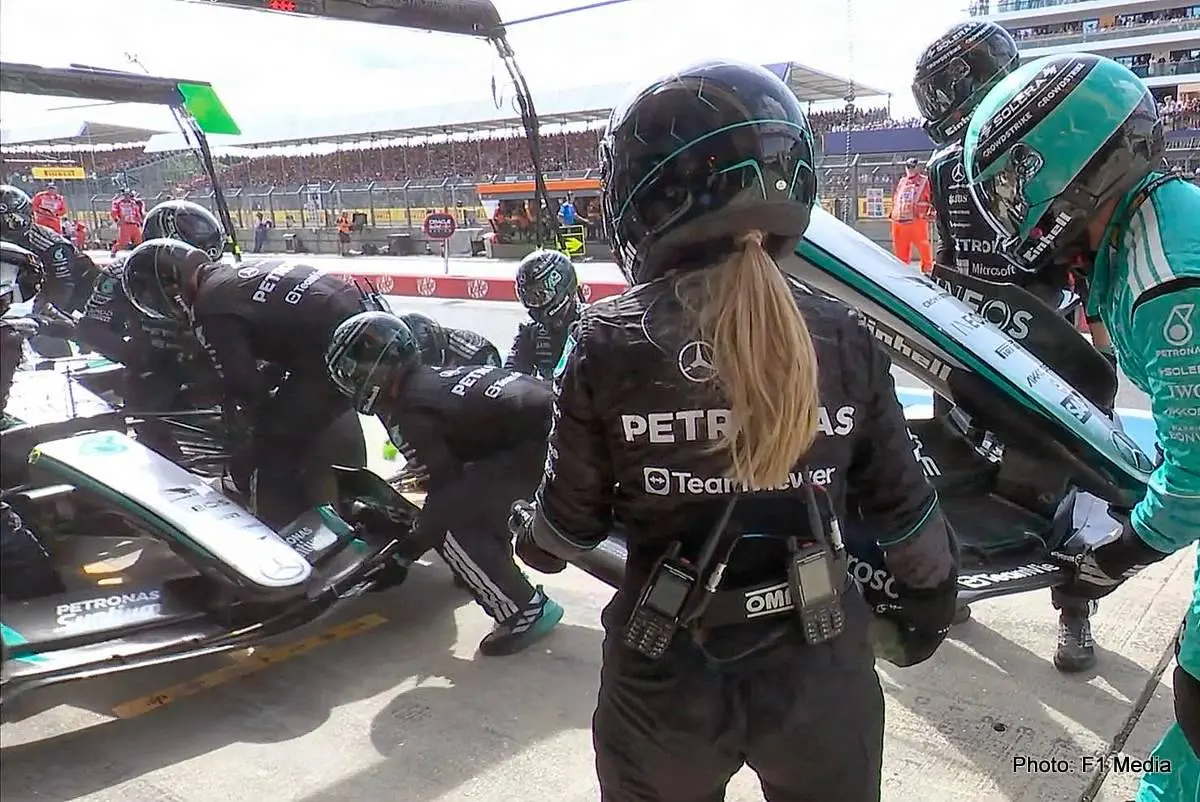
Pit stops add another layer of operational analytics. Every aspect, from pit lane entry to stationary time and exit, is tracked and reviewed. Small time losses highlight routines needing refinement, while post-race reviews help to minimize future operational errors. Ultimately, while analytics inform these improvements, the human element in execution remains irreplaceable, particularly as regulations limit some data transmissions and automation.
Latest News


Loading