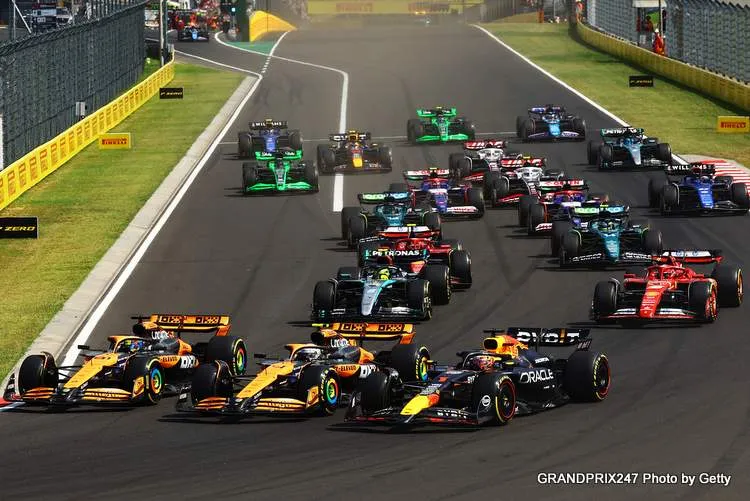
Formula 1 is more than just speed and spectacle. It's a high-stakes fusion of precision engineering, strategy, and driver instincts that has captivated audiences for decades.
While the excitement of motorsport may seem a world apart from digital pastimes, the logic, focus, and strategic thinking required in online poker games for real money are not so different from those needed by top Formula 1 teams plotting their next overtake or pit stop.
Both reward those who can stay sharp under pressure and play the long game. This is a special reports for our Formula 1 readers interested in responsible punting.
Each Formula 1 circuit brings its own set of challenges, from sweeping corners and elevation changes to narrow urban streets and blistering heat. Track design plays a huge role in how a race unfolds, shaping tire choices, fuel strategy, and overtaking potential.
Famous Formula 1 Circuits and Their Unique Features

| Circuit | Location | Notable Feature | First Grand Prix |
| Circuit de Monaco | Monte Carlo | Tight street layout, no margin for error | 1950 |
| Silverstone Circuit | United Kingdom | Fast corners like Maggotts and Becketts | 1950 |
| Suzuka International | Japan | Figure-eight layout, technical turns | 1987 |
| Circuit of the Americas | USA | Mixed design inspired by other tracks | 2012 |
| Monza | Italy | Long straights, high-speed layout | 1950 |
Each circuit requires a different car setup. For example, Monza’s flat-out straights demand low downforce, while Monaco demands maximum grip due to the tight turns and barriers.
The Most Successful Formula 1 Teams of All Time
Teams in Formula 1 aren’t just racing organizations—they’re technology powerhouses. Decades of research, engineering refinement, and driver development go into creating a competitive team. Some teams have become synonymous with winning.
Top F1 Teams by Constructors’ Championships:
| Team | Constructors’ Titles | Most Recent Title | Iconic Driver(s) |
| Ferrari | 16 | 2008 | Michael Schumacher, Niki Lauda |
| Williams | 9 | 1997 | Nigel Mansell, Damon Hill |
| McLaren | 8 | 1998 | Ayrton Senna, Lewis Hamilton |
| Mercedes | 8 | 2021 | Lewis Hamilton, Nico Rosberg |
| Red Bull Racing | 6 | 2023 | Sebastian Vettel, Max Verstappen |
Ferrari remains the most storied team in F1 history, but recent seasons have seen Red Bull and Mercedes dominate. Success often comes down to who can adapt quickly to regulation changes and technological updates.
The Evolution of Formula 1 Cars: From 1950 to the Present
Formula 1 cars have undergone massive changes over the past 70 years. From bare-bones machines to high-tech beasts packed with sensors, software, and advanced materials, modern F1 cars represent the cutting edge of automotive innovation.

Major Milestones in F1 Car Development:
| Era | Key Innovation | Impact on Racing |
| 1950s–60s | Mid-engine layout | Improved balance and handling |
| 1970s | Ground effect aerodynamics | Increased cornering speed |
| 1980s | Turbocharged engines | Higher power output |
| 2000s | Traction control and electronics | Enhanced stability and data |
| 2010s–2020s | Hybrid power units and energy recovery | Efficiency + sustainability |
Today’s F1 cars can reach speeds over 220 mph, but they are also required to be fuel-efficient and environmentally conscious under current FIA rules.
How strategies have defined Formula 1 Championships

What happens during a race weekend isn't limited to the track. Strategy—pit stops, tire selection, and even weather prediction—can often make the difference between winning and finishing in the middle of the pack.
Core Elements of F1 Race Strategy:
- Tire Choice: Teams select between soft, medium, and hard compounds.
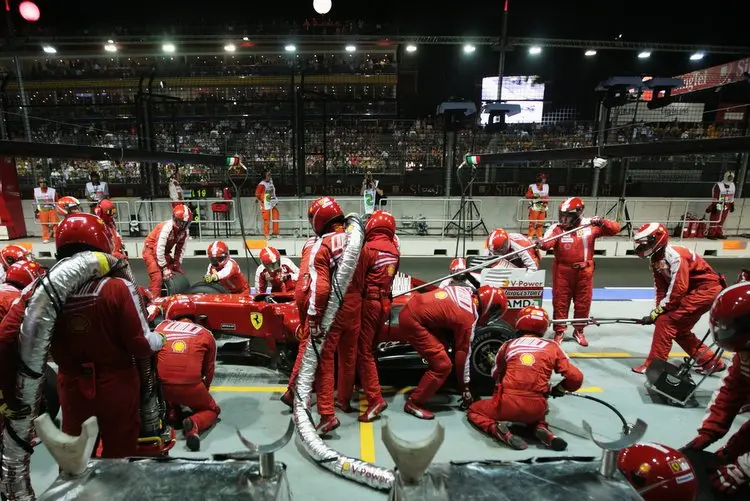
- Pit Stop Timing: A poorly timed stop can cost valuable seconds.
- Weather Adaptation: Sudden rain can change race order dramatically.
- Fuel Load: Lighter cars are faster, but require more stops.
- Safety Car Timing: Teams may pit under safety car to gain track position.
Races are often won not on raw speed but on a team’s ability to respond quickly and plan for unpredictable variables.
Motorsport Meets the Digital World

The growth of Formula 1 has reached far beyond traditional television broadcasts. Fans now engage with races through data dashboards, real-time strategy simulations, and even fantasy leagues.
At the same time, high-performance gaming and esports are tapping into the same audience that follows motorsport closely. Platforms that offer https://first.com/blog/casino content are seeing increased crossover interest from those who appreciate both racing strategy and high-stakes online decision-making.
Formula One continues to evolve, not only in terms of car technology and regulation but also in how fans engage with the sport. Whether you're watching a Grand Prix from the grandstands in Spa or placing your bets online during a simulated lap, the world of motorsport remains as fast, strategic, and captivating as ever.
Latest News


Loading