Is George Russell Running Out of Time at Mercedes? Two Gaps, Two Narratives
F1 OpinionWednesday, 27 May 2026 at 06:30
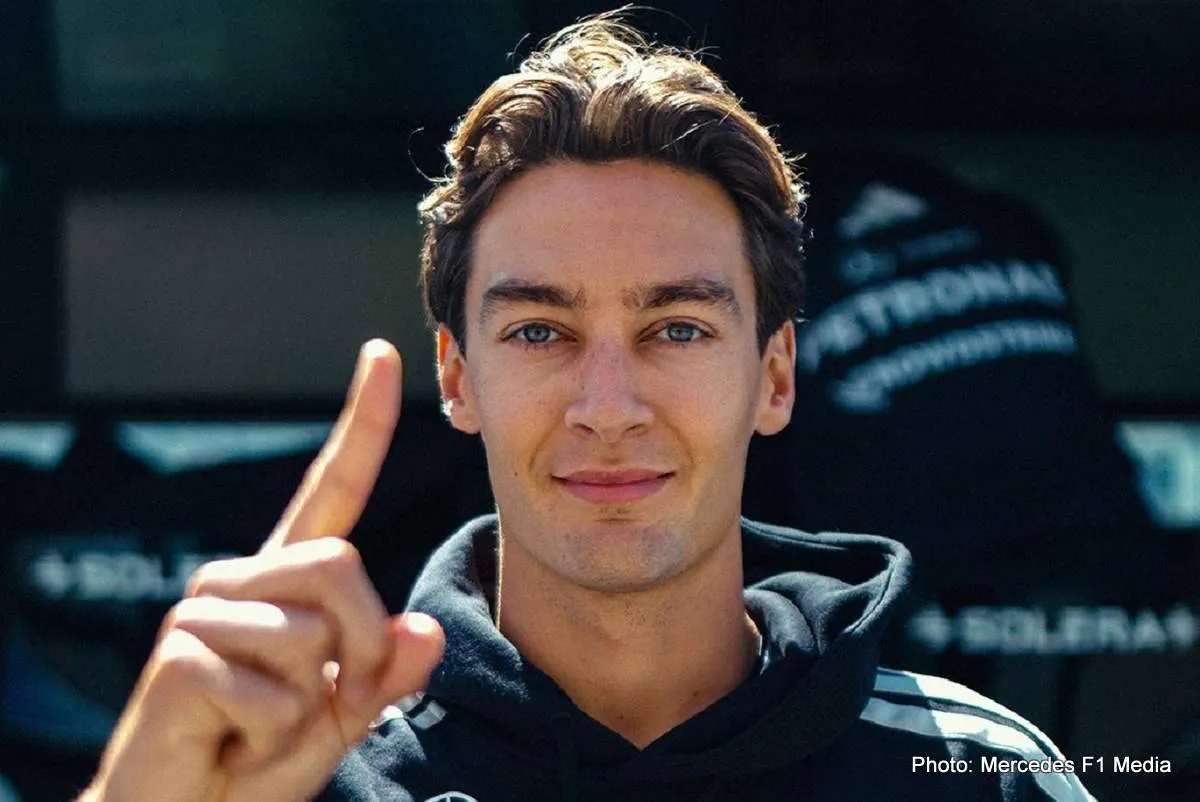
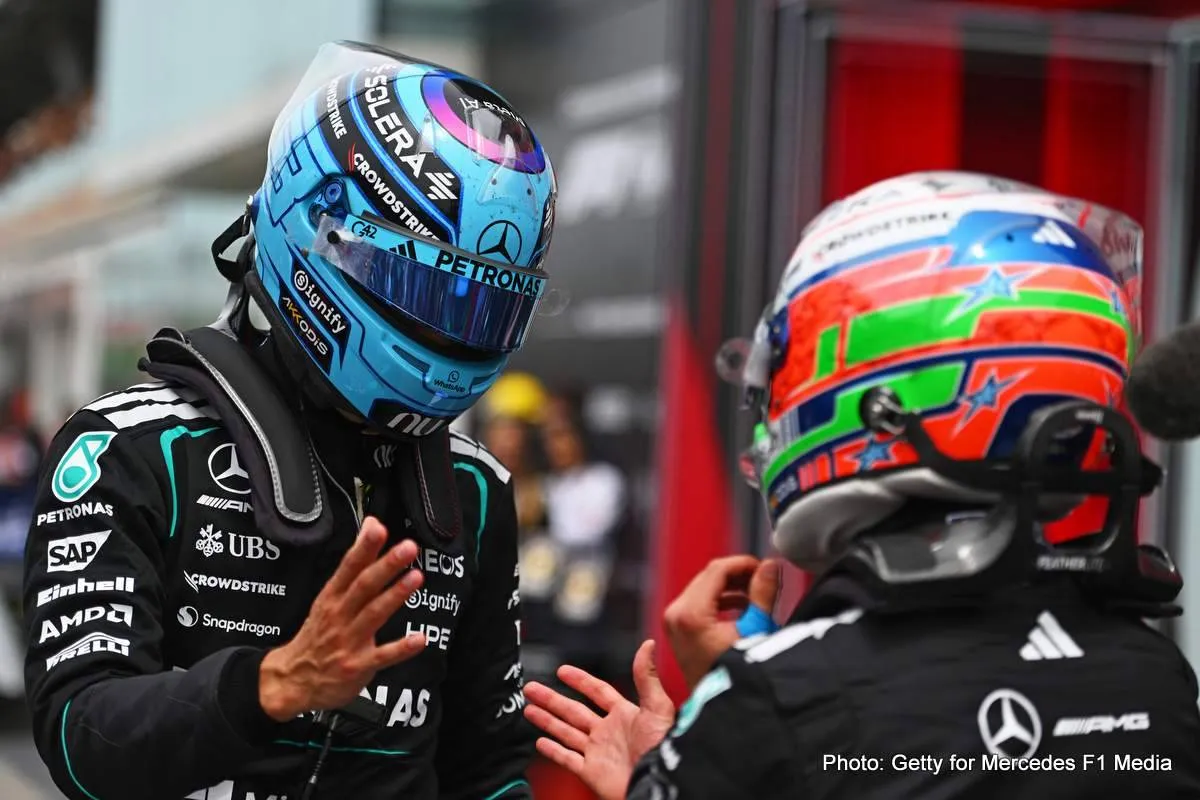
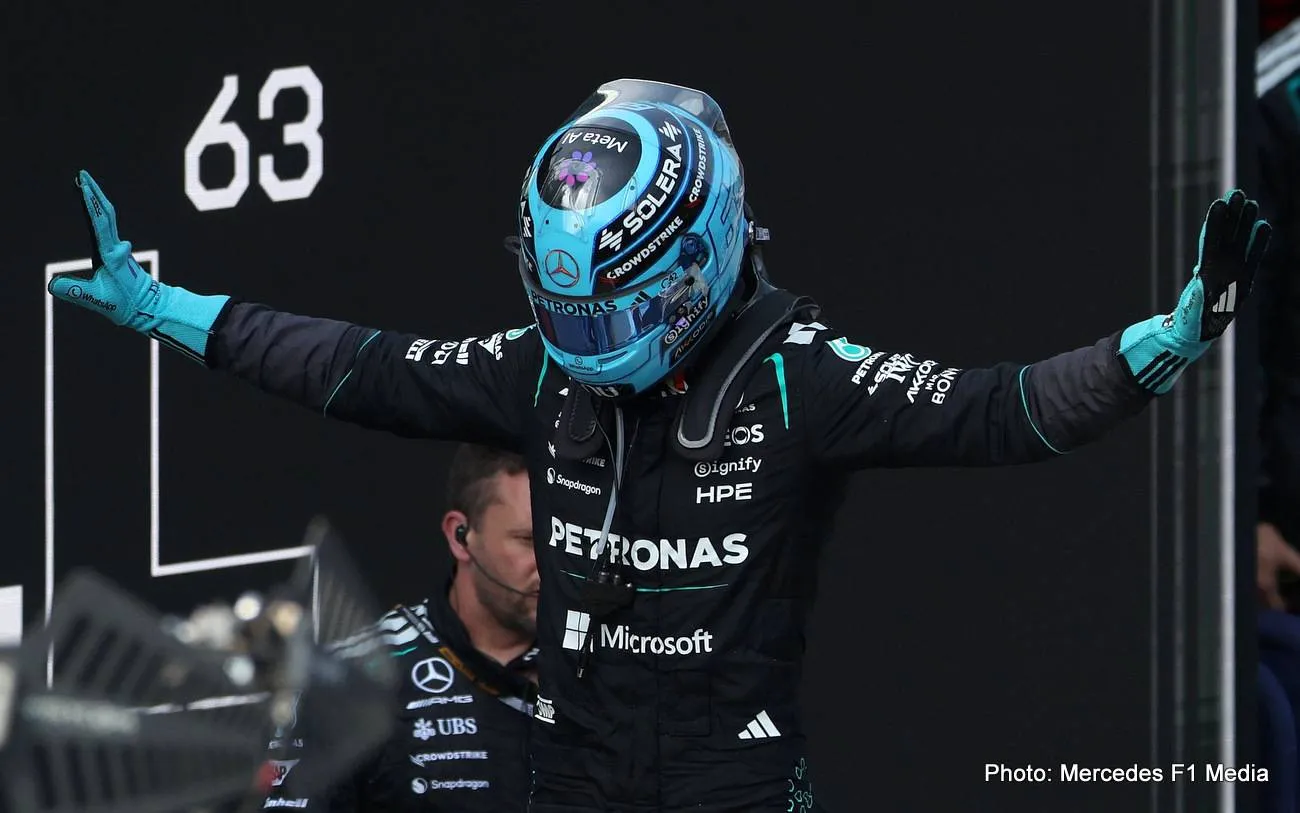
George Russell arrived at the 2026 season carrying genuine expectations. Eight years as a professional Formula 1 driver, a champion-winning car in a new technical regulation era, and a reputation built on precision and consistency.
Plus, he has one of the youngest,
least-experienced teammates in the sport right now. The question was never
whether he could compete, but was more whether he could finally take the next
step and lead a championship campaign. Halfway through the early rounds, the
answer is complicated, and the paddock is starting to notice.
After the 2026 Canadian Grand Prix,
Russell sits 43 points behind teammate Andrea Kimi Antonelli in the drivers'
standings. On the surface, that looks damning. Look closer, and the picture
shifts. A mechanical DNF in Montreal — a failure entirely outside Russell's
control — accounts for the bulk of that deficit. Strip that away, and the
championship picture looks far more competitive.
But here is the uncomfortable truth
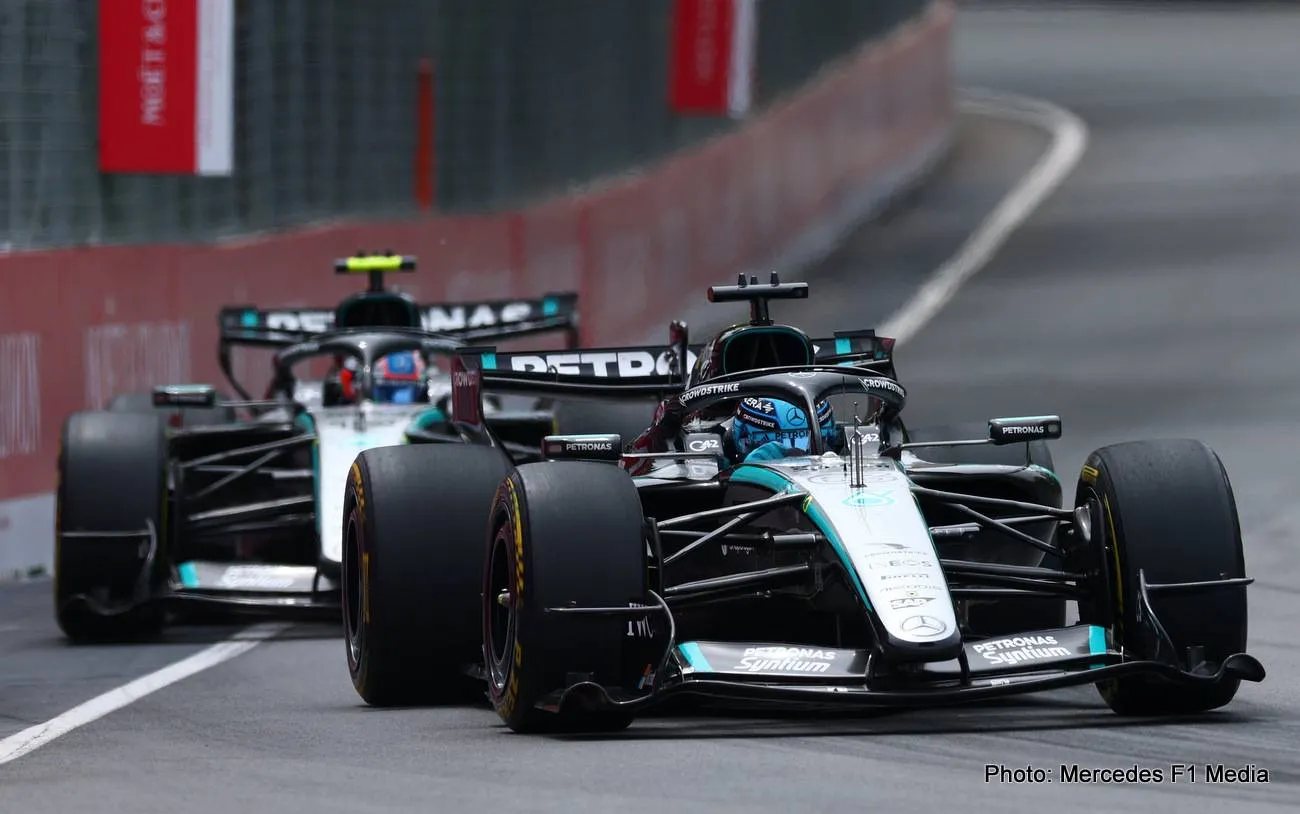
Mercedes cannot ignore: across eight head-to-head results this season,
including sprint races, the score is level at 4–4. And Antonelli's average
qualifying advantage sits at just 0.075 seconds. For context, that is the width
of a razor blade. It is also, for a driver in his eighth season going up
against a 19-year-old in his breakthrough campaign, not a number that inspires
confidence. People expect Russell to lead a new dawn of Mercedes domination,
not trail 1-4 in grand prix victories behind a rookie teammate.
The Mercedes W17 Complication

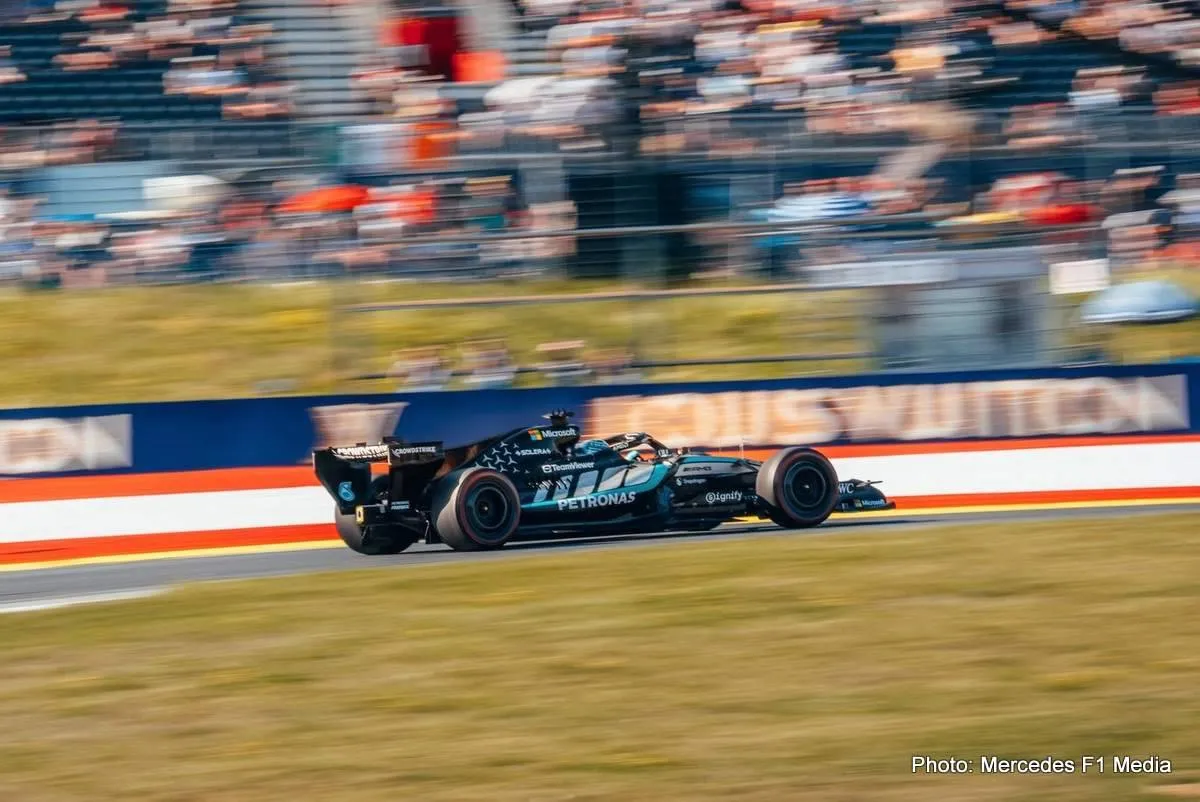
There is a legitimate mechanical
argument in Russell's corner. Mercedes' W17 - as dominant as it was - has shown
inconsistent behaviour across different circuit profiles, and some engineers
within the paddock believe the current specification suits Antonelli's more
aggressive corner-entry style. If that is true, the comparison needs an
asterisk.
But asterisks only carry so much
weight. Russell has always been the driver praised for extracting maximum
performance from imperfect machinery. This was the entire basis of his
reputation at Williams. He drove some of the worst cars ever entered into competition
to points and praise before. If the car has a characteristic that disadvantages
him, the expectation at his level is adaptation, not explanation.
Russell has not been without
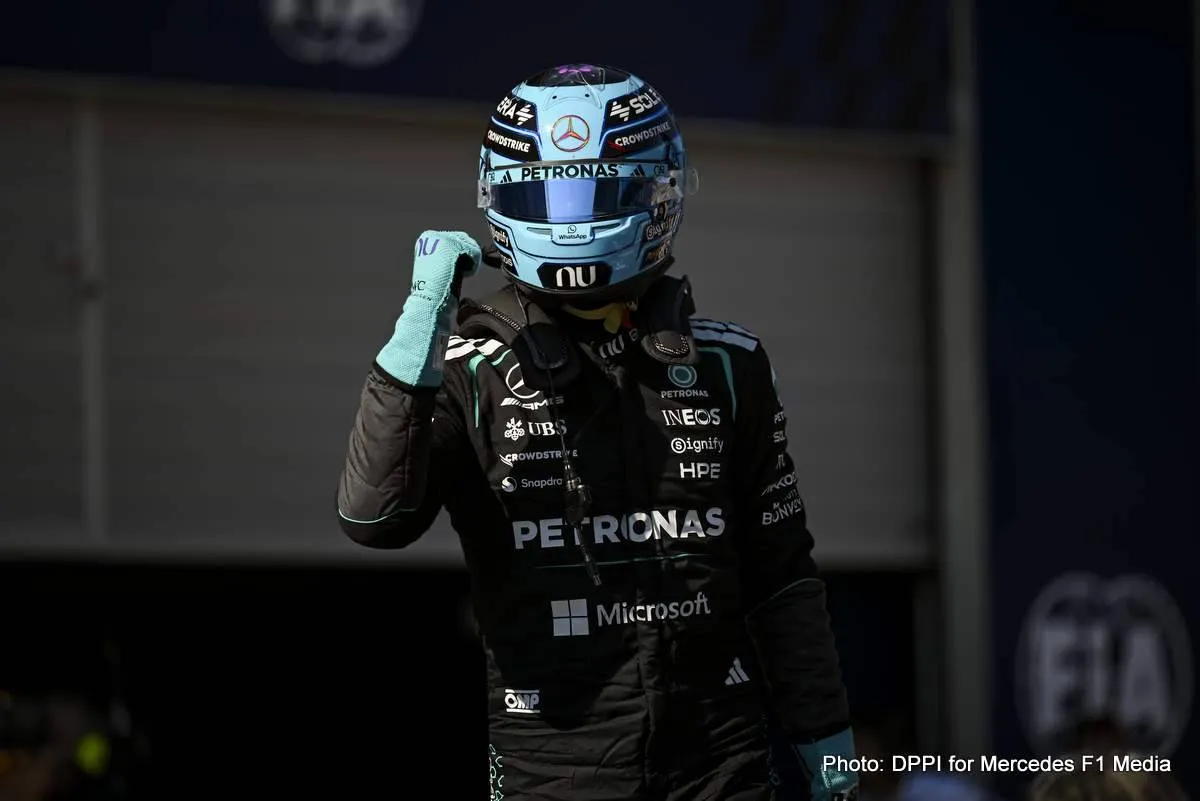
moments. His win in Australia was composed and controlled. Two sprint victories
in Shanghai and Montreal add substance to his season tally. His pole in
Montreal led his supporters to a false sense of return. But in the rounds that
mattered, when opportunities arose for a second or third race win, the results
plateaued into solid-but-unremarkable points finishes. In a season where his
teammate is matching him stride for stride, solid is not sufficient.
A strong result in the coming rounds
— a pole position, a dominant race win, a weekend where the gap is clearly and
unambiguously in his favour — would do more than boost his standings. It would
reframe the narrative. It would remind Mercedes, the paddock, and the wider
sport that Russell is not in a battle for survival inside his own garage. Right
now, that reminder is overdue.
Sentiment Is Shifting, Quietly

No one inside Mercedes has said
anything publicly. Toto Wolff remains diplomatically balanced in his
assessments. But the conversations in the paddock carry a different tone. There
is a growing sense that 2026 was supposed to be the year Russell stepped clearly
into the role of team leader, and that has not happened yet.
Fan sentiment has followed a similar
arc. Russell retains enormous goodwill, earned through years of performing
above his car at Williams and conducting himself with professionalism at every
stage of his career. But goodwill has a shelf life, particularly when a
teenager in the same garage is producing the same lap times on less experience,
and when Max Verstappen is only a phone call away.
George Russell is not in a crisis.
But he is in a moment. Formula 1 moves quickly, and Mercedes has shown
historically that it makes decisions based on performance data rather than
sentiment or seniority. Even Bottas had to make way for Russell when time came.
If the pace gap remains this narrow — or narrows further in Antonelli's favour
— the conversations that are currently whispered will eventually become louder
to the point where it is undeniable, unmissable, and inevitable.
For fans who want to track how the
championship markets are responding to this developing story, onlinecasinofan.com
offers a useful lens on where the smart money currently sits.
The next few rounds will not define
Russell's career. But they may well define his future at Mercedes.
Latest News
Loading