The Evolution of Formula 1 Steering Wheels and Cockpit Technology
F1 HistoryWednesday, 20 May 2026 at 05:36
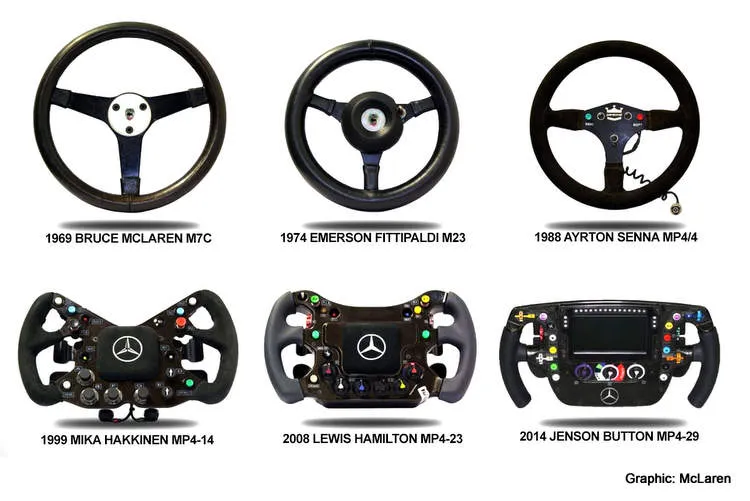
Formula 1 steering wheels have evolved from simple circular devices into some of the most advanced control systems in modern sport.
Today’s drivers manage dozens of functions directly from the cockpit while racing at speeds exceeding 300 kilometers per hour. The development of steering wheel technology reflects how Formula 1 itself became increasingly data driven, technical, and strategically complex.
In the early decades of Formula 1, steering wheels were extremely basic. Drivers focused almost entirely on mechanical control of the car, with very few adjustable systems available during a race. Modern Formula 1 cockpits, however, resemble aircraft control panels more than traditional race cars.
The increasing digitalization of motorsport mirrors broader changes across technology and entertainment industries. Modern online platforms, including services like Lizaro Casino, rely heavily on real time responsiveness, personalization, and intuitive interfaces. Formula 1 steering wheel technology follows a similar philosophy by giving drivers immediate access to complex systems while maintaining speed and efficiency under pressure.
Early Formula 1 steering wheels were purely mechanical

During the 1950s and 1960s, Formula 1 steering wheels served one primary purpose: turning the car. Most were simple metal or wooden circles with minimal additional functionality. Drivers relied far more on physical feel and instinct than electronic assistance.
Cars from that era lacked many of the adjustable systems seen today. Gear changes were handled manually, communication with engineers was limited, and real time telemetry did not yet exist. The cockpit environment was raw, dangerous, and mechanically straightforward.
As Formula 1 technology advanced during the 1970s and 1980s, more controls slowly began appearing on the steering wheel. Teams introduced radio communication, adjustable brake balance, and eventually paddle shifters. These innovations marked the beginning of a major transformation.
One of the most important breakthroughs came with semi automatic gearboxes. Ferrari introduced paddle shifting in 1989, allowing drivers to change gears without removing their hands from the wheel. This system quickly became standard throughout the sport and dramatically improved efficiency during races.
At the same time, electronic systems started playing a larger role in overall car performance. Engineers increasingly used telemetry data to monitor tire wear, fuel usage, and engine performance during sessions.
Modern steering wheels became digital control centers

Today’s Formula 1 steering wheels are among the most sophisticated devices in professional sports. Drivers can adjust numerous settings within seconds while navigating corners at extreme speeds.
Modern wheels typically feature around twenty buttons, switches, rotary dials, and paddles. These controls allow drivers to manage brake balance, differential settings, energy recovery systems, fuel modes, and communication with engineers.
Each team designs its steering wheel according to its own systems and philosophy, although the FIA regulates many technical standards. Despite visual differences between teams, all modern steering wheels prioritize speed, ergonomics, and rapid information access.
Digital displays became another major innovation. Drivers now receive constant streams of data directly in front of them, including tire temperatures, lap delta times, battery deployment, and warning indicators. This information helps drivers make tactical adjustments during races without waiting for instructions from the pit wall.
Customization also plays a huge role. Steering wheels are molded specifically for each driver’s hands and preferences. Button placement, grip shape, and paddle sensitivity are carefully adjusted to maximize comfort and reaction time.
Even small improvements can provide critical advantages over a race distance. Formula 1 engineers spend enormous amounts of time optimizing cockpit layouts because fractions of a second often determine race outcomes.
Cockpit technology continues shaping the future of Formula 1

The evolution of steering wheel technology reflects Formula 1’s broader shift toward advanced data integration and real time analysis. Modern races involve constant communication between drivers, engineers, and software systems.
Artificial intelligence and predictive analytics are becoming increasingly important within Formula 1 operations. Teams process huge amounts of telemetry data during every session to optimize strategy, tire management, and energy deployment.
Cockpit systems may become even more advanced in the coming years. Improved displays, biometric monitoring, and more intelligent software assistance could further enhance driver performance and safety.
Safety is paramount

At the same time, Formula 1 faces the challenge of maintaining balance between technological innovation and driver skill. Fans still want to see drivers making crucial decisions under pressure rather than relying entirely on automated systems.
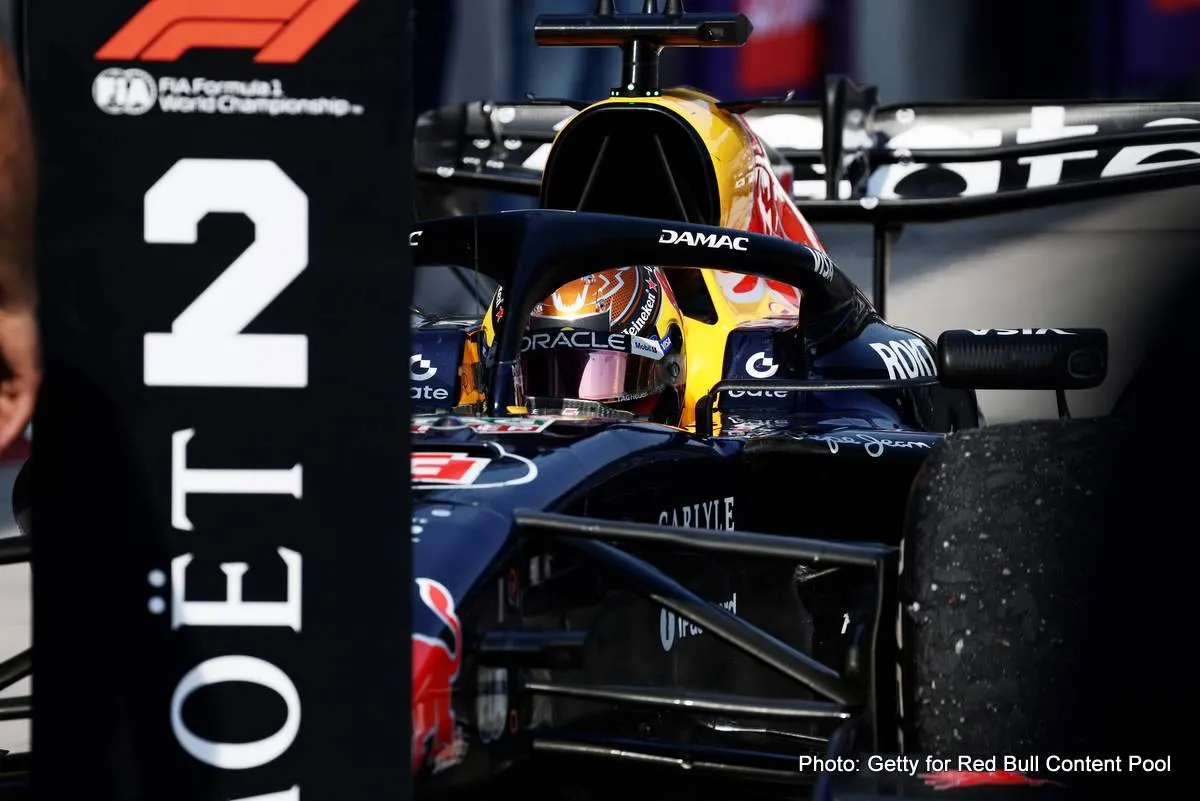
Safety developments also continue influencing cockpit design. The Halo device, introduced in 2018, significantly improved driver protection while integrating with modern cockpit layouts. Future systems will likely combine safety, performance, and data management even more closely.
Despite all the technological progress, the steering wheel remains one of the most important connections between driver and machine. Every button press, adjustment, and reaction happens under immense physical and mental pressure.
That combination of human skill and advanced engineering is exactly what makes modern Formula 1 cockpit technology so fascinating. The steering wheel may look like a compact digital device, but it represents decades of innovation that transformed Formula 1 into one of the most technologically advanced sports in the world.
Latest News

Loading