Formula 1 is more than just roaring engines and glamorous race weekends – it’s a universe filled with mind-blowing history, strange regulations, curious incidents, and incredible feats that most fans never hear about.
If you think you know everything about Formula 1, buckle up – here are some little-known facts that will surprise even the most die-hard motorsport enthusiasts.
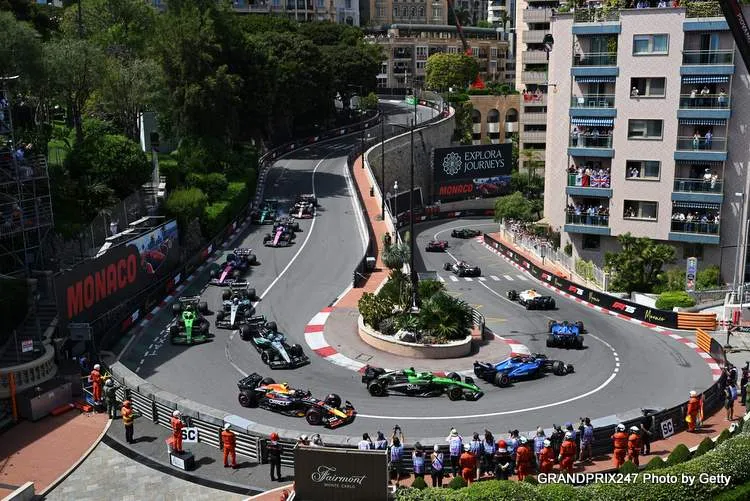
The Monaco Grand Prix could never be approved today. Monaco is iconic, but if it were proposed now, it would be immediately rejected by the FIA. The tight corners, lack of runoff areas, and high risk to drivers break almost every modern safety regulation. It’s grandfathered in due to its legacy, which means it's the only circuit where tradition truly overrules safety standards.
F1 betting grows from year to year. Many F1 fans prefer not only to watch the races but to place bets to make some profit. And their number constantly increases from year to year. Therefore value betting on Formula 1 is also gaining popularity due to the effectiveness of this strategy.
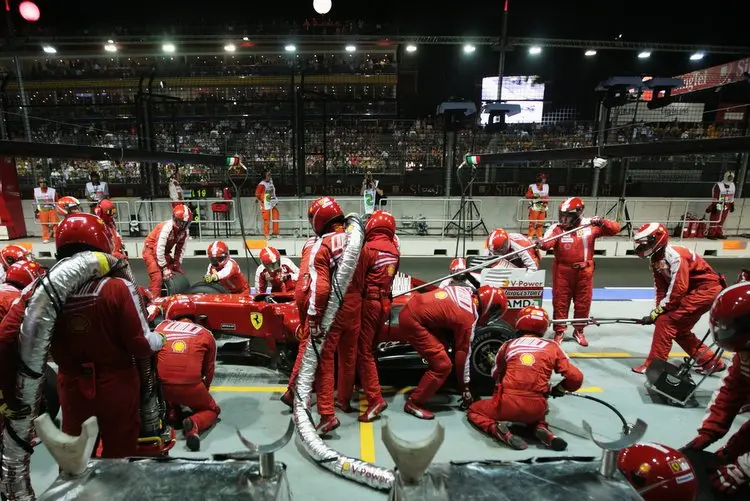
Pit stops used to take over a minute. Back in the 1950s and 60s, pit stops were slow, sometimes lasting more than a minute. Mechanics would take their time changing tires, refueling, and even doing minor repairs. Fast forward to today – Red Bull holds the world record for the fastest pit stop: 1.82 seconds. That’s barely a blink!
Tyre warmers are a unique Formula 1 invention. F1 cars rely heavily on tire grip, and cold tires mean no grip. That’s why teams use electric tire blankets to preheat tires before a race. This ensures the rubber is at optimal temperature the moment a car hits the track – a luxury not available in most other racing series.
Drivers lose up to 4kg per race

Think driving an F1 car is easy? Drivers can lose 3–4kg (6–9 pounds) of body weight during a race due to extreme heat and G-forces. That’s why driver fitness is as important as technical skill. Hydration systems and cooling suits only go so far – it’s a workout from lights out to the checkered flag.
The original F1 Championship had just 7 races. The first-ever Formula 1 World Championship was held in 1950 and included only seven races. The season opener was at Silverstone, and Giuseppe Farina was crowned the first world champion driving for Alfa Romeo.
However, nowadays the situation is quite different (22 – 24 races per season we see today): ordinary fans have enough races to watch and bettors – many value bets to wager, especially if they follow Top Tips for Finding Value and use reliable software (like BetBurger).

F1 Helmets can withstand a bullet. F1 helmets undergo extreme safety testing. They can survive 225 km/h debris impacts, 800°C fires, and even penetration attempts by a ballistic rifle. They’re made of carbon fiber, Kevlar, and polycarbonate and take about 40 hours to manufacture – all for one goal: keeping the driver safe.
F1 has its own post-race police force stewards. After every race, a panel of stewards reviews driver behavior, team actions, and potential violations. These officials have the power to issue time penalties, fines, and even disqualifications. It’s like having a race-day referee with the authority of a judge.
Formula 1 World Champions

You were definitely a bit surprised by these facts, and here are some other interesting things, this time about F1 champions:
Did you know that Sebastian Vettel collects vintage scooters and tractors? He's known to have a private collection of classic agricultural vehicles and rides them during his downtime on his farm in Switzerland.
And another F1 star - 2016 World Champion Nico Rosberg doesn’t just speak the language of speed. He’s fluent in five languages: German, English, Italian, French, and Spanish. Raised in Monaco with a Finnish father (Keke Rosberg, also an F1 champion), Nico's multicultural upbringing made him a true citizen of the world.

Wonder if he is also well versed in global odds formats. However, it doesn't matter, as nowadays everyone can use a handy odds converter offered by popular scanners for this purpose.
Behind the drama, speed, and glamour of Formula 1 lies a world full of surprises. From upside-down physics and bulletproof helmets to century-old traditions and peculiar animal interruptions, the sport is more complex and fascinating than it seems.
So the next time you're watching a Grand Prix, remember – there’s a lot more going on than just cars going in circles.
Latest News





Loading