How to Calculate No Claim Bonus (NCB) for Bike Insurance in India
Non-F1 NewsWednesday, 12 November 2025 at 01:45
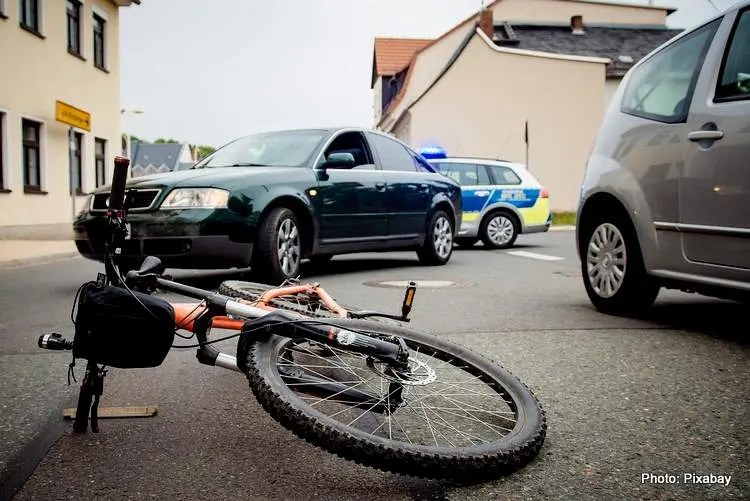
A bike insurance is that safety net which steps in when things go wrong. But if you ride carefully and go a whole year without raising a claim, your insurer rewards you for it. This reward is called the No Claim Bonus (NCB).
In simple terms, the no claim bonus for bike insurance is a price cut on your premium when you do not make a claim during the year. Over time, this can save you a fair amount of money and shows that careful riding really does pay off. This is a special report for our Foprmula 1 readers who enjoy bike riding for fun or for daily transport.
What is the No Claim Bonus
The NCB is a small reward that grows with good driving habits. Each claim-free year earns you a discount on the own damage portion of your premium. The more years you ride without a claim, the higher your bonus goes.
When you renew your insurance, the insurer checks your claim history. If there are no claims, you get the discount automatically. This is their way of recognising safe riders who cost less to insure.
NCB Rates in India
The Insurance Regulatory and Development Authority of India (IRDAI) has set standard NCB rates for motor insurance. These apply to most insurers:
| Claim-free years | NCB discount |
| 1 year | 20% |
| 2 years | 25% |
| 3 years | 35% |
| 4 years | 45% |
| 5 years or more | 50% |
Once you reach five claim-free years, the discount stays at 50 percent as long as you keep your record clean.
For example, if your own damage premium is ₹4,000 and you have a 35 % NCB, your renewal premium will be ₹2,600. That is a ₹1,400 saving for just riding safely.
How to Calculate Your NCB
You can find your NCB mentioned on the renewal notice, but it is also easy to calculate yourself. Take your own damage premium and apply the discount percentage based on how many years you have gone without a claim.
For instance, say your first-year premium was ₹5,000 and you have not made a claim for three years:
- After the first year: 20% of ₹5,000 = ₹1,000 discount
- After the second year: 25% = ₹1,250 discount
- After the third year: 35% = ₹1,750 discount
So by the third renewal, you are already saving ₹1,750 every year.
What Happens When You Make a Claim
If you raise even one claim during a policy year, the NCB resets to zero. It starts again only after you complete another claim-free year.
That is why some riders prefer to handle small repair costs themselves instead of using their insurance. If the repair cost is lower than the bonus you would lose, it is better to pay it yourself.
Can You Keep Your NCB When Changing Bikes
Yes, you can. The NCB belongs to the policyholder, not the bike. So if you are upgrading from your old scooter to a new one (say, an adventure bike or a sports bike), you can transfer your No Claim Bonus to the new policy.
You just need an NCB transfer certificate from your old insurer. This way, you keep the rewards you have already earned.
The Benefit of NCB Protection Cover
Some insurance companies offer an NCB protection add-on. It allows you to retain your bonus even if you make a limited number of claims in one year. You pay a slightly higher premium for this cover, but it helps if you want to preserve your long-term discount.
Be sure to check the terms before you add it. Usually, it works only for specific types of claims and up to a certain limit.
Why Keeping Your NCB Matters
Many riders overlook the value of tracking their No Claim Bonus. Over a few years, it can easily cut your premiums by half. More importantly, it reflects your consistent and safe riding behaviour.
For those who travel often, maintaining your NCB means lower insurance costs and continued benefits over time.
Final Thoughts
The No Claim Bonus for bike insurance is a simple concept but a powerful one. It grows with every claim-free year and can help you save significantly on premiums.
If you avoid minor claims, renew your policy on time, and ride responsibly, your NCB becomes an ongoing reward. It is proof that good habits on the road can pay off in more ways than one.
Latest News








Loading