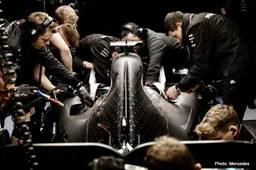
Formula 1 has been fascinated with the millisecond since the beginning. Early in the game, fans learned that paying attention, predicting, and being nervous in sports pays off.
In a strange way, the psychology is close to high-risk digital gaming environments like gambling: split-second decisions, anticipation, reward cycles, and the constant feeling that momentum can change instantly.
Formula 1 has already claimed to have garnered more than 1.5 billion cumulative TV viewers worldwide over the past few seasons, and digital interactions are steadily increasing from season to season, with streaming, gaming, and social content networks.
These days, younger audiences, especially those in the Gen Z generation, are more engaged with F1 content through clips, simulations, prediction mechanics, and through gaming-inspired interfaces, over the traditional broadcast.
From race weekends to interactive ecosystems
The trend picked up momentum with the new way of consuming sports through streaming platforms and social-first content. Netflix's Drive to Survive wasn't the only show to draw in one-time viewers; it changed viewer expectations.
Gaming platforms, prediction apps, and live-stream communities were even starting to adopt the same high-speed psychological tricks used in Formula 1 broadcasts. The structure feels familiar to anyone who has spent time around modern betting interfaces or fast-paced casino mechanics, where timing and emotional pacing matter almost as much as the outcome itself.
Brands like Harry Casino feature naturally in many online communities, as their content is equally suited to both the motorsport and digital space, where users are motivated to participate in an adrenaline rush, with instant feedback and an immersive interface.
Why F1 fans adapted so quickly to digital platforms
Certain aspects made motorsport events very receptive to interactive entertainment:
- Formula 1 already relies heavily on statistics, probability, and live data interpretation
- Fans are accustomed to high-pressure decision-making and strategic unpredictability
- The sport’s global nature encouraged digital-first communities long before many traditional sports embraced them
The rise of second-screen culture
Some liken driver telemetry to the work of "amateur engineers. Several studies involving media around sports engagement indicate that younger audiences are more inclined to engage in what is called “active viewing”, in which the information is constantly changing.
Passive entertainment no longer creates the same dopamine response for many users. Audiences increasingly want interaction, prediction, instant feedback, and systems that feel dynamic rather than scripted, like those found in gambling hubs.
Data became entertainment
The improvement of three-tenths in Sector 2 can cause as much excitement as a dramatic movie scene! Today, interfaces keep on providing these:
- Live progression indicators
- Reward animations
- Probability adjustments
- Reactive visual dashboards
- Personalised performance tracking
Sim racing changed the relationship between fans and drivers
The last few years of the pandemic have seen virtual racing go mainstream. Professional drivers raced in simulators in their own homes, and audiences watched the races on the Internet, streaming to millions of people around the world.
That moment was a pivotal moment in the culture of Formula 1 in a way that was never spoken of, but changed it. It used to seem like a huge divide between fan and athlete, before sim racing gained popularity.
Overnight, audiences could now ride the same laps digitally, see lap times, and learn about racecraft first-hand. Entertainment stopped being something people simply watched; it became something they tested, reacted to, and emotionally invested in minute by minute.
The viewer/participant dichotomy is the new norm for most platforms that are successful in the digital space, anyway.
Attention became the most valuable currency
The Formula 1 teams work tirelessly to improve minuscule things. Fast interfaces. Immediate feedback. Constant stimulation. Frictionless navigation. These are the same behavioural principles now used across streaming ecosystems, competitive gaming, and modern online casino environments competing for user attention.
Even the production of dramas for TV changed. Today's F1 coverage is done with quicker cuts, onboard audio (cinematic), predictive graphics, and storytelling formats for social media. It has become clear to broadcasters that viewers primed by digital platforms want things to be happening all the time. As for the pace of the rest of the entertainment, it was interesting to note that motorsport itself had an impact on it.
Some producers openly copied the graphics packages and telemetry-inspired overlays that they could find online for esports, live, and stream events. But it is the oddest twist in this whole evolution that F1 didn't just go digital; it went digital in a way that is at odds with the culture. It helped to create it in a few ways.
The Next Generation
The integration of AI, AR overlays, predictive analytics, and customised feeds already transforms the nature of races. The impact of AI, AR overlays, predictive analytics, and personalized feeds on races is already a reality.
Some sites try to offer customizable camera angles selected by the viewers as they are watching the live event. The next generation of gamers may never even consider dividing sports, gaming, streaming and interactive entertainment into any separate categories. It's just the one seamless digital experience that is centred on engagement and participation.
Early on, Formula 1 realised that something is more effective than speed, it's immersion. To this day, that's the driving force behind a lot of what is considered entertainment today, whether they realise it or not.
Latest News
Loading