How F1 Academy and Junior Pathways Are Shaping Formula 1’s Next Generation
F1 Drivers NewsSaturday, 04 April 2026 at 06:11
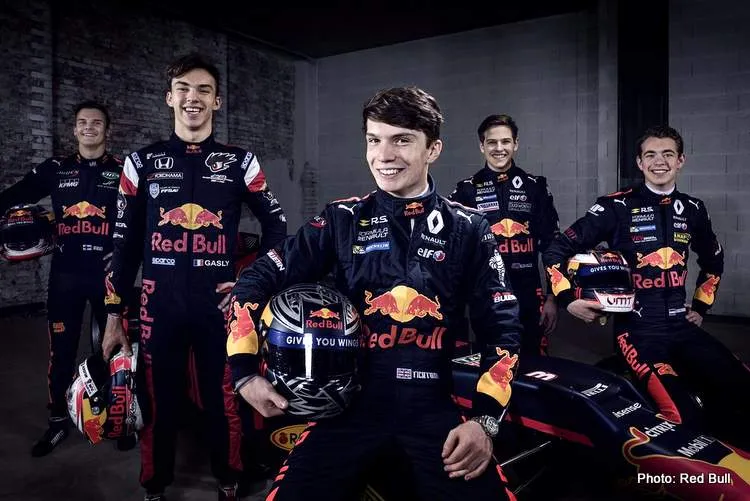
Formula 1 fans tend to focus on what happens on race day, but most F1 careers are decided long before the lights go out for a Grand Prix.
By the time a driver
reaches the grid, they’ve already spent years climbing through junior
categories, proving themselves in smaller paddocks and under far less forgiving
conditions.
When
F1 Academy launched in 2022, it didn’t reinvent that system — it expanded it,
adding another structured step to an already demanding ladder toward Formula 1.
Combined with established stepping stones like FIA Formula 2 Championship and
FIA Formula 3 Championship, and powerful talent programs such as the Scuderia Ferrari
Driver Academy (SFDA) and Red Bull Junior Team, the pathway to Formula 1 has
never been more structured — or more competitive.
The
question is no longer whether the system works. It’s which drivers it will
elevate next.
From Karting to the F1 Grid: A Proven “Formula”
The
modern Formula 1 driver rarely arrives by accident. Take Charles Leclerc —
groomed through Ferrari’s academy before dominating Formula 2. Or George
Russell, who claimed the GP3 and F2 titles before earning his shot at the top
level.
Even
reigning champions such as Max Verstappen may have taken unconventional routes,
but still benefited from structured junior backing via Red Bull’s development
system.
More
recently, Oscar Piastri’s rise through Formula 3 and Formula 2 — winning both
titles back-to-back — reminded everyone that the ladder can still produce the
real thing. He didn’t just arrive in Formula 1 to make up the numbers; he
looked comfortable almost immediately. That says a lot about how well today’s
junior series prepare drivers for the speed, complexity, and pressure of modern
F1 cars.
The
pathway is clear:
Karting → Regional Formula → F3 → F2 → F1 (with academy support along the way).
But
for a long time, that ladder wasn’t equally accessible to everyone. Talent was
only part of the equation — funding, backing, and opportunity often mattered
just as much.
Where F1 Academy Fits In
Launched
in 2022, it was created to give young female drivers a clearer, more realistic
route into single-seaters, with proper support and direct links to Formula 1
teams. Instead of trying to break through on the margins, they now have a
platform built specifically to help them move forward.
Marta
García, the series’s first champion, is an early example. Winning the inaugural
title didn’t just put her name on a trophy — it opened doors and helped her
step up into higher levels of competition. Meanwhile, prospects like Abbi
Pulling have gained experience through direct support from F1-affiliated
programs.
The
key shift is structural:
For the first time, F1 teams are directly aligned with female drivers at an
early stage of development. That alignment matters. It provides funding,
simulator access, coaching, and, crucially, visibility.
Historically,
the barrier wasn’t just talent. It was an opportunity.
Academy Arms Race: The Big Teams’ Influence
If
F1 Academy is expanding access, the major team academies remain the sport’s
gatekeepers.
The
Red Bull Junior Team has been famously ruthless but undeniably effective. It
gave Verstappen his platform and hasn’t eased off since, constantly
fast-tracking young drivers and expecting them to be F1-ready almost
immediately.
Ferrari’s
academy did the same with Leclerc and still treats youth development as a
long-term investment rather than a side project.
Mercedes,
meanwhile, backed Russell early and continues to keep a close eye on talent
across Europe’s junior scene.
Put
all of that together, and the standard has gone up sharply. Young drivers today
deal with serious pressure long before they reach Formula 2. They’re in
simulators, sitting in engineering briefings, handling media duties, and
managing sponsors — sometimes feeling like F1 drivers before they’ve even
earned the seat.
The
upside? When they arrive in Formula 1, they’re prepared.
The Technical Alignment Factor
Today’s
F2 and F3 cars are designed to better mimic Formula 1’s complexity — from tire
management to energy deployment strategies. Drivers such as Piastri have
highlighted how modern junior cars demand strategic intelligence, not just raw
pace.
That
alignment reduces the adaptation curve. It’s one reason rookies now integrate
faster than in previous eras.
Climbing
the ladder isn’t just about being quick anymore. Speed gets you noticed, but
staying in the conversation takes a lot more. Drivers have to understand data,
manage tyres under pressure, work closely with engineers, and stay mentally
sharp through long, unforgiving seasons. The modern pathway is as much about
thinking clearly at 300 km/h as it is about raw pace.
The Business of Development: Why Money and Timing Still Matter
For
all the effort to make the system more structured, talent on its own still
doesn’t guarantee a seat. Formula 1 has always been tied to business realities,
and the junior categories are no different.
Running
a season in Formula 3 or Formula 2 costs millions. Even drivers attached to
academies feel that pressure. Teams look at lap times first, of course — but
they also think about sponsorship appeal, market value, and where a driver fits
commercially. It’s the part of the sport few like to talk about, yet everyone
understands.
You
can see it in how the grid has evolved as F1 has expanded globally. When Sergio
Pérez became a front-running driver, interest in Formula 1 in Mexico surged.
That wasn’t a coincidence. His success gave fans in the region someone to
connect with — and the commercial ripple effect followed.
The
same happened when Zhou Guanyu reached Formula 1. His arrival opened doors to a
massive audience in China, underscoring how nationality and opportunity can
sometimes coincide.
And
the business side doesn’t stop with sponsors anymore. Interest in the junior
series has grown beyond hardcore fans. Betting markets, for example, now follow
Formula 2 and Formula 3 more closely than ever, with people speculating not
just on race results but on which young driver might land the next F1 seat.
Formula 1 has become part of a genuinely global, fan-driven conversation
It’s another sign that the road to Formula 1 is no longer happening quietly in
the background — it’s part of the wider motorsport conversation. This shift is
visible even in markets like Africa, where platforms ranking the top 10 betting sites in Ethiopia now highlight sportsbooks
that cover F2, F3, and academy driver storylines for fans in this part of the
world — proof that the road to Formula 1 has become part of a genuinely global,
fan-driven conversation.
Singling out online sportsbooks with emerging
motorsport markets reflects how interest in F2, F3, and academy drivers is no
longer confined to paddock insiders but part of a broader fan-driven economy.
That
doesn’t diminish their talent. But it highlights a reality: development
pipelines are not purely meritocratic. They operate at the crossroads of
performance, politics, and promotion.
F1
Academy, in particular, is trying to tackle a problem that has been there for
years — the simple fact that many talented female drivers didn’t get the same
financial backing as their male counterparts.
By reducing some costs and
linking drivers directly to F1 teams, the series is trying to make the next
step feel achievable without relying entirely on private funding or personal
sponsors. Whether it fully levels the field remains to be seen, but
structurally, it’s a step forward.
Mental Preparation: The Hidden Ingredient
The
modern Formula 1 driver must manage far more than lap times. Media scrutiny,
social media exposure, simulator debriefs, sponsor commitments, and constant
travel create relentless pressure.
Junior
categories now simulate that environment early. Academy drivers participate in
media training, engineering briefings, and structured feedback systems. By the
time they arrive in Formula 1, they are accustomed to operating within complex
team ecosystems.
This
preparation is critical. The jump from F2 to F1 once felt like stepping into a
different universe. Today, it is more like entering an expanded version of a
system drivers already understand.
That
cultural alignment may prove just as important as technical readiness.
What This Means for the Next Five Years
The
Formula 1 grid is entering a transitional period. Several established stars
will eventually step aside. The drivers replacing them are already being shaped
today in F2, F3, and F1 Academy.
Expect:
- Greater diversity in nationalities and backgrounds
- Stronger commercial integration between academies and F1 teams
- More rookies arriving technically ready for immediate impact
- Increased scrutiny over how academies choose and release drivers
The
system isn’t perfect. Financial barriers remain high, and academy politics can
be unforgiving. Talented drivers are sometimes dropped early. Others peak later
than development programs allow.
But
structurally, Formula 1 has built the most comprehensive talent pipeline in its
history.
The
next world champion may be racing in Formula 3 right now.
Or climbing through F2 with academy backing.
Or perhaps emerging from F1 Academy with unprecedented institutional support.
What’s
certain is this: the spotlight of Formula 1 shines brightest on Sunday, but the
real shaping of champions happens years earlier, in quieter paddocks and
smaller grandstands.
And
as the development ecosystem evolves, the distance between junior promise and
Formula 1 reality is narrowing. The
future of Formula 1 isn’t waiting. It’s already accelerating — one rung below
the grid.
Latest News



Loading