New Era, New Problems: What the 2026 Formula 1 Season Is Already Revealing
F1 NewsSaturday, 04 April 2026 at 06:33
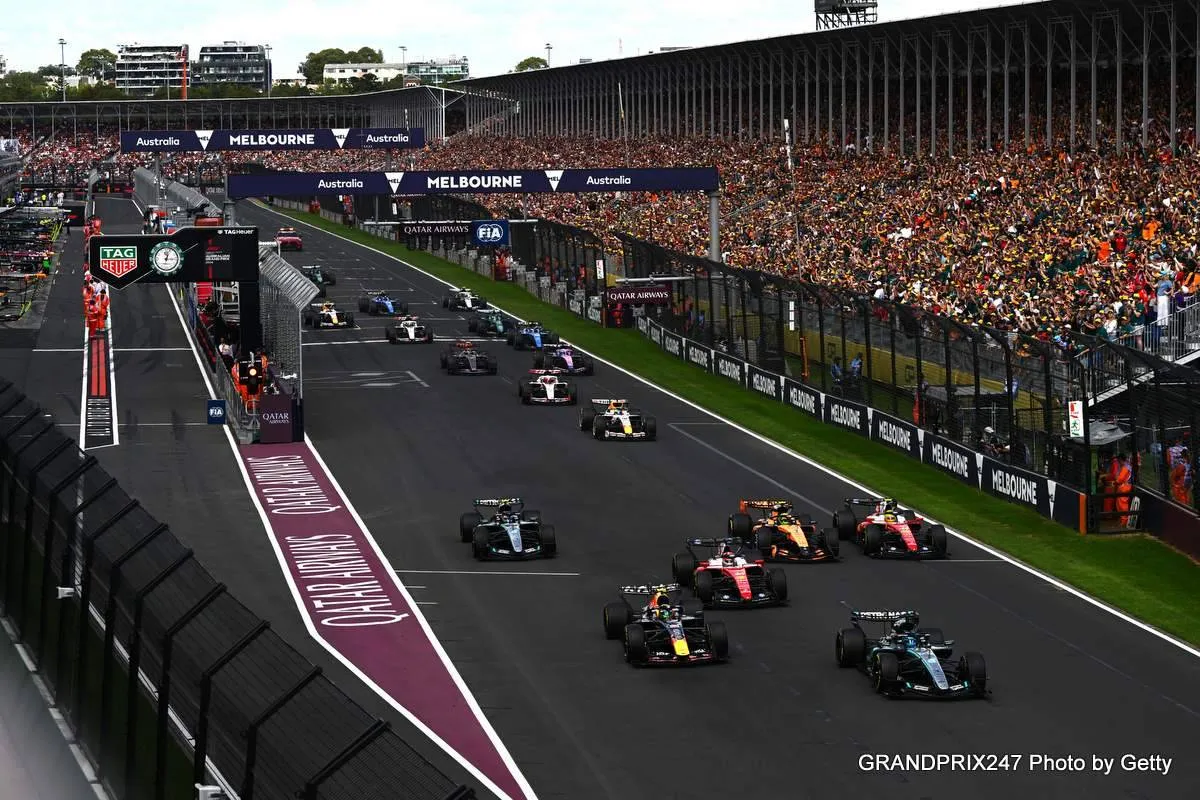
The 2026 Formula 1 season was supposed to mark a clear reset. New technical rules, updated power units, and revised aerodynamic concepts promised closer racing and a more balanced field.
On paper, the direction looked logical. In practice, the first races have already exposed several unexpected issues.
The early phase of the season shows a pattern: the sport solved some old problems, but introduced new ones. Teams still adapt. Drivers adjust their approach. Fans try to understand why racing feels different, especially on straights and during key overtaking moments.
When observers look at race outcomes, they often notice how small margins define results. A slight drop in energy deployment, a delayed recovery phase, or a misjudged strategy can change positions quickly. That sense of unpredictability appears in many competitive environments. Even outside motorsport, platforms like thorfortune reflect how outcomes depend on timing and calculated decisions. In Formula 1, those same principles now shape how drivers manage each lap.
A different kind of racing
The most noticeable change in 2026 lies in how cars behave over a full lap. The balance between power and energy recovery has shifted. Drivers cannot rely on constant performance anymore.
Instead, they must manage:
- battery usage across long straights
- regeneration phases in braking zones
- deployment timing for overtaking attempts
This changes the rhythm of racing. Drivers now think ahead more often. They plan energy use several corners in advance rather than reacting instantly.
The growing role of energy management
Energy management has become central to performance. It no longer acts as a supporting element. It now shapes race strategy directly.
Drivers face a constant decision process:
- deploy energy to defend position
- save energy for later in the lap
- balance short-term gains against long-term performance
This adds complexity. A driver who pushes too early may struggle later on a straight. One who saves too much may miss a chance to overtake.
Super-clipping and its impact
One of the most discussed issues involves energy depletion before the end of long straights. This phenomenon reduces speed at critical moments.
When this happens:
- cars lose acceleration earlier than expected
- overtaking becomes more difficult
- defensive driving becomes more effective
Drivers cannot rely solely on engine power. Timing becomes essential. If energy runs out too soon, the car becomes vulnerable.
Aerodynamics: less drag, more challenges
The new aerodynamic rules aim to reduce drag and improve efficiency. However, they also introduce side effects.
Cars now behave differently in traffic:
- airflow changes more abruptly behind another car
- stability varies depending on distance
- small positioning errors affect performance
These factors make close racing less predictable. Drivers must adjust constantly.
Strategic complexity increases
Strategy has always played a role in Formula 1. In 2026, it becomes even more important.
Teams now consider additional variables:
- energy usage patterns
- regeneration efficiency
- timing of overtaking attempts
- track position versus energy reserve
Each decision influences the next phase of the race. A single miscalculation can affect several laps.
Early-season data trends
After the first races, several patterns have started to emerge.
| Factor | Observation |
| Overtaking frequency | varies depending on energy levels |
| Straight-line speed | inconsistent due to deployment limits |
| Race pace | fluctuates more than before |
| Strategy impact | higher than previous seasons |
These trends suggest that teams have not yet reached full understanding of the new rules.
Driver feedback: adapting under pressure
Drivers have already expressed concerns about the new dynamics. Their feedback focuses on how the cars behave during key moments.
Common points include:
- reduced predictability on straights
- need for constant adjustment during laps
- difficulty maintaining consistent pace
These observations highlight how much adaptation still needs to happen.
The learning curve for teams
Teams face a steep learning curve. Data from previous seasons no longer applies in the same way.
They must now:
- analyze new performance patterns
- refine energy deployment models
- adjust setups based on track characteristics
This process takes time. Early results often reflect how quickly teams adapt rather than pure performance.
Safety considerations
The new regulations also raise questions about safety. Changes in speed patterns and energy delivery affect how incidents develop.
Key concerns include:
- sudden drops in acceleration
- differences in speed between cars
- increased unpredictability in close battles
While no major conclusions have emerged yet, these factors remain under observation.
The fan experience
Fans notice the changes as well. Racing looks different. Some moments feel more tactical, while others seem less dynamic.
Several aspects influence perception:
- fewer straightforward overtakes
- visible variation in speed along straights
- greater emphasis on strategy
Understanding these changes takes time. The new system requires a different way of watching races.
What the 2026 season is teaching
Even at this early stage, the season already reveals important lessons.
First, regulation changes always bring unintended effects. Designers and engineers cannot predict every outcome.
Second, complexity increases when multiple systems interact. Aerodynamics, energy recovery, and strategy now overlap more than before.
Third, adaptation defines success. Teams that adjust quickly gain an advantage, even if their initial performance does not stand out.
Key challenges identified so far
The opening races highlight several issues that may shape the rest of the season:
- managing energy without losing speed at critical points
- maintaining consistent performance across a full lap
- balancing strategy with real-time race conditions
- adapting driving style to new limitations
These challenges do not have simple solutions.
Possible adjustments moving forward
As the season progresses, teams and regulators may consider adjustments. These could include:
- refining energy deployment rules
- modifying technical limits
- improving balance between power and recovery
Any changes would aim to improve racing without removing technical complexity.
Long-term implications
The 2026 regulations may influence the direction of Formula 1 beyond a single season.
If current trends continue, the sport may shift toward:
- more strategic racing
- greater reliance on data analysis
- increased importance of energy systems
This could redefine what performance means in Formula 1.
Learning by doing
The 2026 Formula 1 season has already shown that a new era brings both progress and challenges. The sport has moved forward, but not without complications.
Drivers, teams, and fans now face a different version of racing. Energy management, aerodynamics, and strategy interact in ways that were less visible before.
The coming races will reveal whether these changes lead to better competition or require further adjustment. For now, one thing is clear: the new rules have changed the game, and everyone is still learning how to play it.
Latest News
Loading