Formula 1 Drivers Who Raced in Other Motorsports Events
F1 Drivers NewsThursday, 09 July 2026 at 06:28
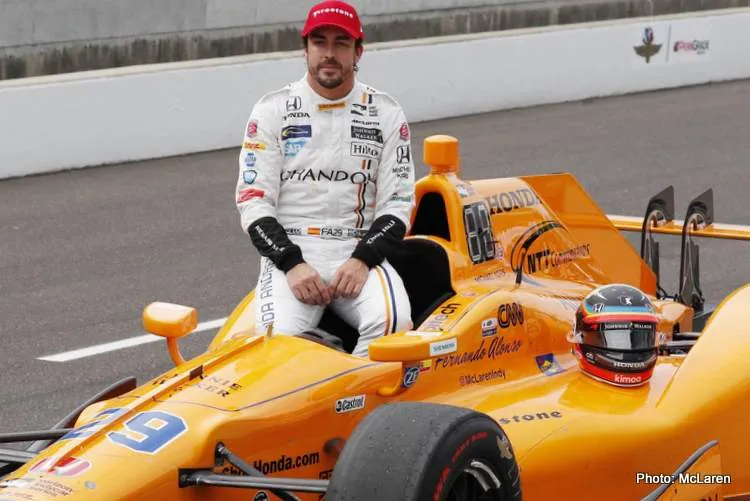
Formula 1 drivers are usually judged purely on grands prix, but plenty of the sport's biggest names have stepped outside the paddock to test themselves elsewhere.
Their results have ranged from career-defining triumphs to humbling reality checks. It's the kind of crossover storyline that shows up regularly on the LiveSportsOdds platform whenever a current or former F1 name lines up in IndyCar, NASCAR, or an endurance race.
No surprise there, as these scenarios tend to shake up markets that don't usually have to account for a Grand Prix winner behind the wheel.
Fernando Alonso
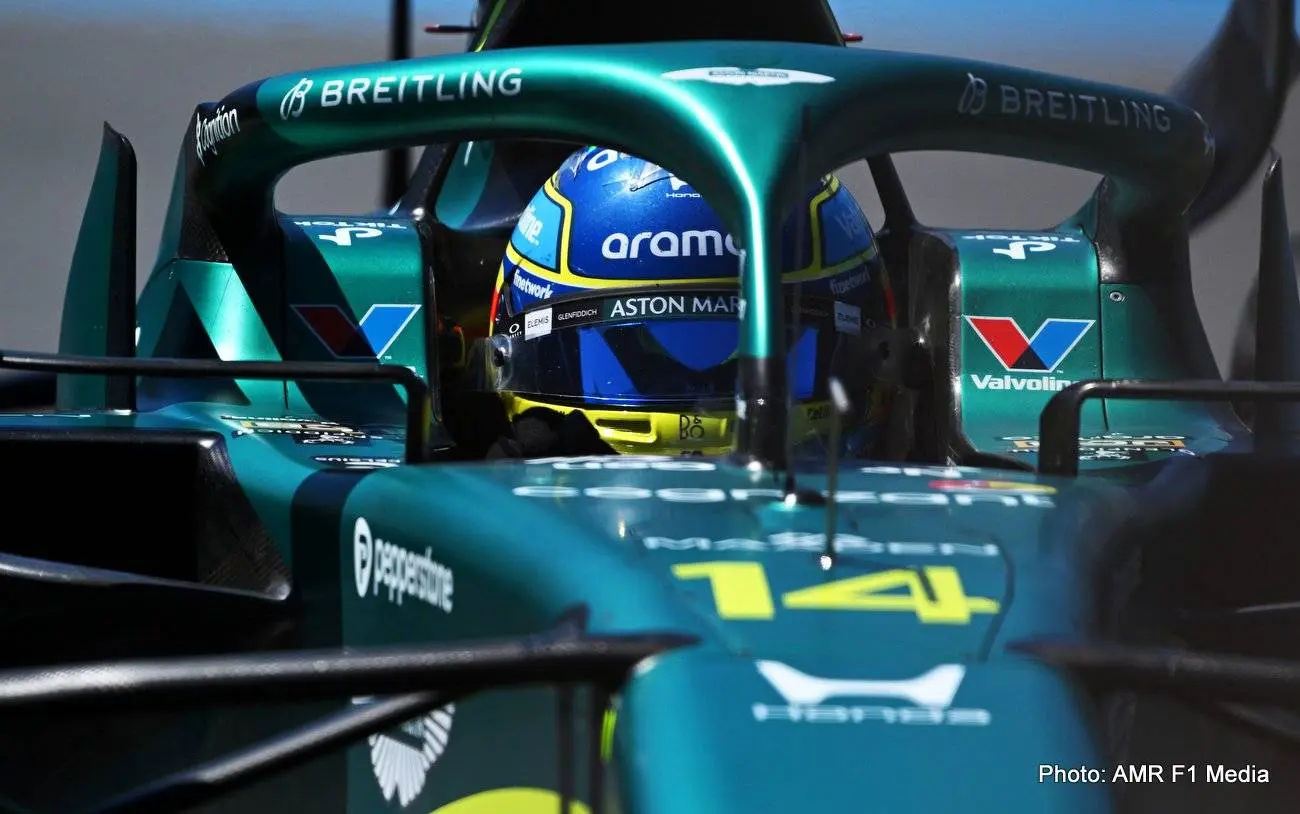
Alonso is the most decorated crossover driver of the modern era. The two-time F1 champion won the 24 Hours of Le Mans in both 2018 and 2019 with Toyota, then took on the Indianapolis 500 in 2017 while still a full-time F1 driver, retiring with engine failure but earning respect for the attempt. He's also dabbled in the Dakar Rally, chasing the unofficial "Triple Crown" of motorsport that so far only Graham Hill has completed.
Juan Pablo Montoya
Montoya went the other way, building his reputation in America before F1 and then returning to it afterward. He won the CART as a rookie in 1999 and the Indy500 a year later, and moved to F1 for six seasons with Williams and McLaren. Then, he returned to the US to race in NASCAR for Chip Ganassi before adding a second Indy 500 win in 2015, marking one of the longest gaps between victories in the race's history.
Jacques Villeneuve
The 1997 F1 world champion had already won the Indy 500 two years earlier in 1995, making him one of the few drivers to hold titles in both disciplines. After his F1 career wound down, Villeneuve competed at Le Mans in the top prototype class with Peugeot, finishing runner-up in 2008.
Kimi Raikkonen
The 2007 F1 champion surprised the paddock by walking away from Formula 1 in 2010 to try the World Rally Championship. He also had a stint in NASCAR, competing in the Nationwide Series and driving one Truck race before eventually returning to F1 a couple of years later. It remains one of the more unusual career pivots by a reigning world champion.
Robert Kubica
After a rally crash nearly ended his career and cost him partial use of his right arm, Kubica reinvented himself as a competitive World Rally Championship driver before eventually working his way back to an F1 seat, one of the more remarkable comeback stories the sport has produced.
Mick Schumacher and Romain Grosjean
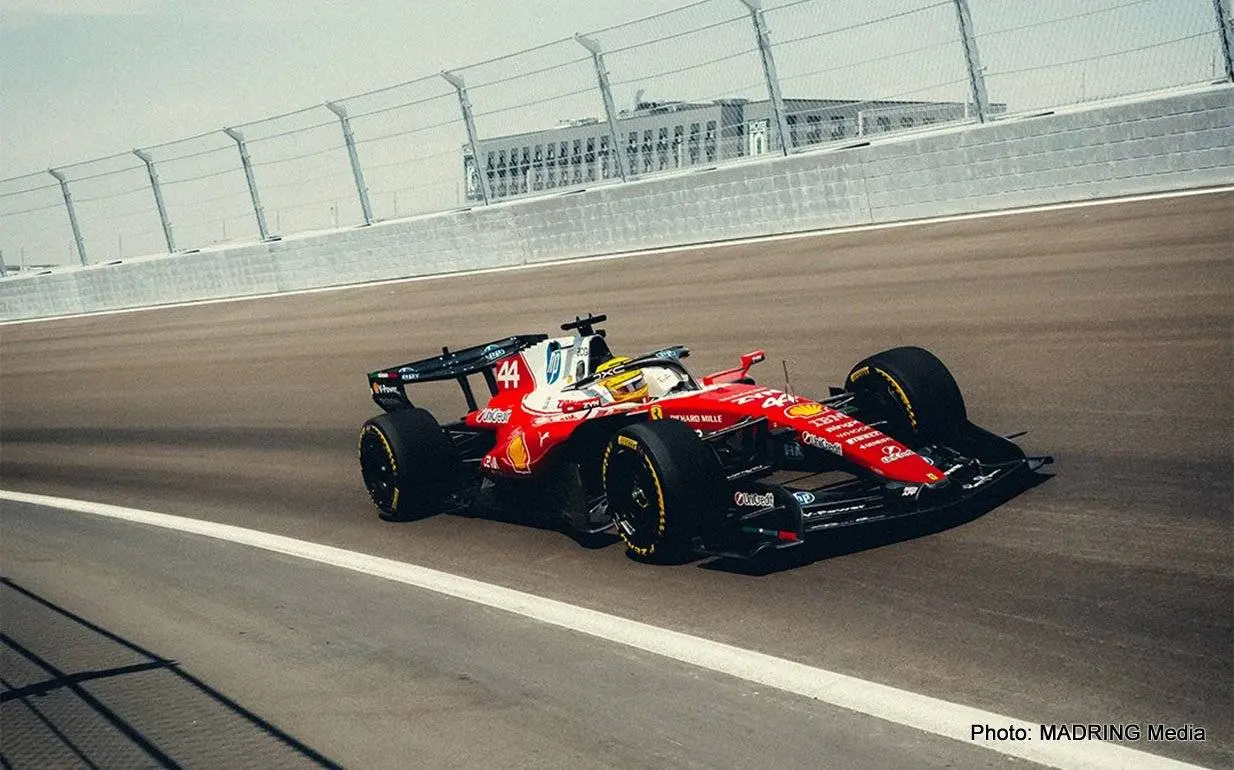
The crossover trend is still very much alive. Both former F1 drivers lined up at this year's Indianapolis 500, with Schumacher becoming a member of the Rahal Letterman Lanigan Racing team and Grosjean continuing his own IndyCar career with Dale Coyne Racing. These two examples prove that the pull of racing outside grand prix machinery hasn't faded even in F1's most modern era.
Stepping outside Formula 1 has always been a gamble. One wrong weekend and a driver's reputation takes the hit, one right one and they're etched into motorsport history forever. From Alonso's Le Mans glory to Räikkönen's rally detour to Schumacher and Grosjean chasing Indy glory this year, the appeal clearly hasn't faded, and if anything, the crossover era is only getting busier.
Recent Le Mans grids are proof of just how normal this has become: 17 former F1 drivers lined up for the World Endurance Championship (WEC) Hypercar class alone in 2025, a reminder that for plenty of drivers, life after (or alongside) F1 is where some of their best racing still happens.
Latest News
Loading