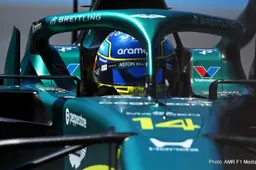
Why Formula 1 Betting Is Really About Reading the Race Within the Race
Special FeatureFriday, 10 July 2026 at 04:58
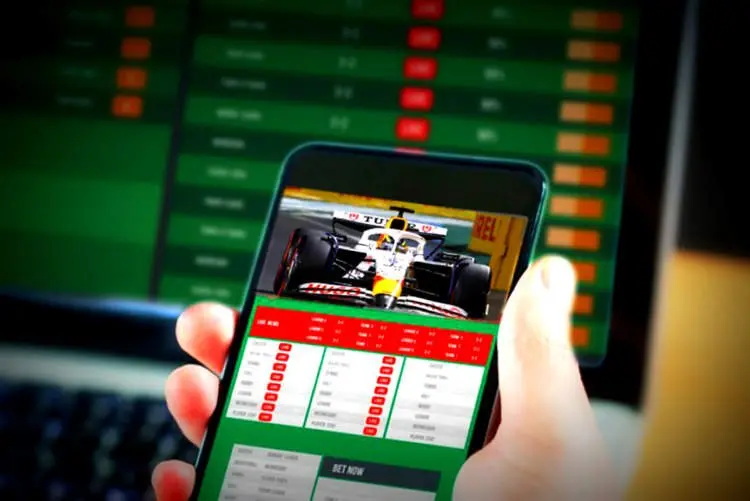
Formula 1 is rarely as simple as picking the fastest car and waiting for the trophy. If it were, race Sundays would be much easier on your nerves and far less entertaining for everyone else.
The lead car gets the cameras, but the real story is often scattered across tire choices, pit windows, midfield scraps, weather radar and one engineer sounding calm while absolutely not being calm.
From a betting angle, the F1 winner market may grab your first look, but a Grand Prix gives you far more to read. Podiums, points finishes, qualifying head-to-heads, fastest lap, safety car chances and driver matchups can all offer a sharper edge than the obvious favorite.
A driver may not have the pace to win and still be your smartest read in the field. A team may miss pole and still have the better race car. A chaotic circuit can make clean execution worth more than raw speed.
The Fastest Car Doesn’t Own the Whole Weekend
F1 weekends are packed with half-truths. Practice shows pace, but not always fuel loads. Qualifying shows one-lap speed, but not race management. Race day then arrives with tire wear, traffic, pit stops and strategy calls ready to make Friday’s confidence fly out the window mid-lap.
In sportsbooks such as the Bovada website, F1 markets usually go beyond the outright winner. You can compare odds for podiums, top-six finishes, points, qualifying results, driver matchups and race-specific outcomes. You’re not only reading one contest. You’re reading several at once.
A dominant car still has to survive the weekend. Grid penalties, poor starts, tire graining, slow pit stops and safety cars can all change the race. A driver starting seventh may have clear air, strong long-run pace and a strategy window that makes a top-five finish more interesting than their grid slot suggests.
Tires Are the Sport’s Sneakiest Plot Device
Track temperature, tire compounds, degradation, starting tire, stint length and pit-loss time can all affect your read. A circuit with high tire wear may reward patience and clean air. A street track with limited overtaking may make qualifying position more important. A low-degradation race may reduce strategy options and make track position king.
Driver style also plays a part. Some drivers protect their tires beautifully. Others attack early and pay for it later. Some teams are ruthless with undercuts. Others discover the correct strategy roughly three laps after everyone watching has already shouted it at the television.
Tires don’t only affect who wins. They can shape fastest lap attempts, points finishes, teammate battles and late-race overtakes.
The Midfield Can Be More Interesting Than the Winner
The front of the grid gets treated like the main event, but the midfield is where your betting read can get properly interesting. One upgrade package, one strong qualifying lap or one smart strategy call can turn a quiet weekend into a points finish.
Midfield teams live on tiny margins. A car that’s eighth-fastest on pure pace may finish sixth if the pit wall gets the timing right. A driver knocked out in Q2 may still be dangerous if they’ve got a useful tire option and strong long-run speed and a team with poor straight-line speed may suffer at Monza but look far better in Hungary or Singapore.
Driver matchups help as teammates have similar machinery, so the comparison can show who’s getting more from the car. Qualifying head-to-heads, race pace, tire care and start performance all count.
The midfield also punishes lazy assumptions. A familiar name may be priced too short because people remember old results, whereas a quieter driver may make the stronger case because the car finally suits the circuit.
Weather and Safety Cars Love Ruining Certainty
No F1 betting discussion is complete without the two great agents of chaos: weather and safety cars. Rain turns a neat forecast into a group project nobody agreed to join. Safety cars can erase gaps, rescue poor strategies and punish drivers who were doing everything right until somebody parked somewhere deeply inconvenient.
Some circuits invite chaos more than others. Monaco, Baku, Singapore, Montreal and Melbourne can all produce awkward walls, tight exits and safety car potential. Wet qualifying can scramble the grid before Sunday even begins. A drying track can make tire timing more important than car pace for a few glorious minutes of pit-wall terror.
That doesn’t mean every unpredictable race should be treated like a lucky dip. It means the risk profile changes. In a stable race, outright pace and tire strategy may carry more weight. In a messy race, experienced drivers, quick pit crews and clear team communication can become more valuable.
F1 betting works best when you stop asking only who has the quickest car. Ask who can survive the race conditions, who has options if Plan A fails and who benefits if the afternoon goes strange.

Latest News


Loading