The Rise of Young Talent in Formula 1 a Motorsport AnalysisMD
Special FeatureMonday, 15 June 2026 at 02:36
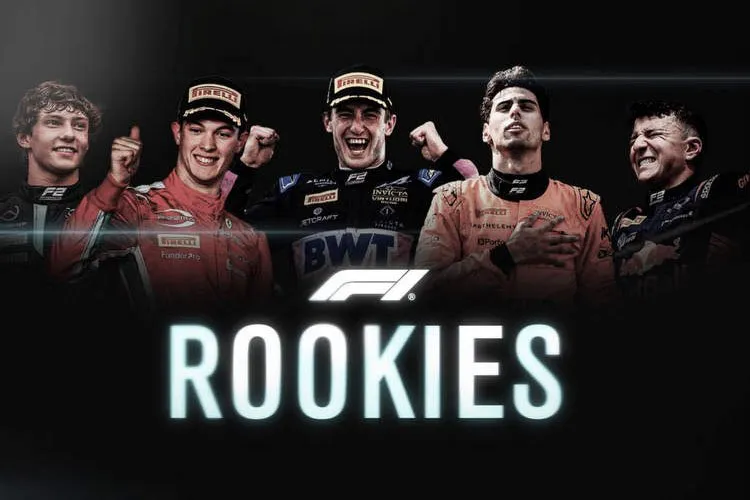
Formula 1 has historically been a sport where experience was considered the ultimate competitive advantage.
Navigating a 1,000-horsepower, aerodynamically complex machine around a tight street circuit at 300 km/h was deemed a task suited only for seasoned veterans who had spent decades developing their racecraft. However, a massive paradigm shift is currently underway in the paddock.
The grid is rapidly getting younger, with teenage prodigies and early-twenties rookies stepping into top-tier seats and instantly challenging established, multi-time world champions.
This youth revolution is not a coincidence or a temporary trend. It is the result of a fundamentally altered development pipeline, advanced technology, and a new breed of athlete entirely devoid of fear. Teams are no longer afraid to gamble on youth, recognizing that the modern rookie arrives in Formula 1 vastly more prepared than the debutants of the past.
The unprecedented readiness of modern young drivers is driven by several key evolutionary factors:
- The Sim-Racing Generation: Today’s rookies have spent thousands of hours in ultra-realistic simulators. They have run millions of virtual laps, mastering every bump, braking point, and track condition before ever setting foot in the real car.
- Data and Telemetry Fluency: Growing up in the digital age, young drivers are uniquely capable of instantly processing dense streams of telemetry data, working closely with engineers to adapt their driving lines in real-time.
- Intense Physical Conditioning: Modern junior academies focus heavily on sports science, ensuring rookies have the specific neck and core strength to handle extreme G-forces from day one.
- Professionalized Karting: The junior karting circuit is now a highly professional, cutthroat environment that prepares drivers psychologically for the intense media scrutiny and pressure of F1.
This highly analytical, data-driven approach to racing heavily mirrors how modern audiences engage with the sport today. Fans no longer just watch the cars go in circles; they analyze tire degradation charts, telemetry data, and pit-stop strategies in real-time.
This desire to mathematically analyze and predict outcomes is precisely why so many motorsport enthusiasts engage in sports betting. By analyzing the same technical data that team strategists use, fans transform their passive viewing into an interactive strategic challenge, testing their own analytical skills against the unpredictable chaos of a Grand Prix weekend.
The Financial and Strategic Gambles of F1 Teams
The economics of modern Formula 1 have also forced teams to look toward younger talent. Under the strict cost-cap regulations introduced in recent seasons, teams can no longer simply outspend their rivals. They must find value in every area of their budget.
Paying an aging veteran a salary of thirty million dollars restricts a team's ability to develop their car. Securing a generational young talent on a cost-controlled, long-term contract allows teams to allocate more financial resources to aerodynamic development and engineering.
This financial reality has turned the junior driver academy into a team's most valuable asset, transforming the sport into a battle of scouting and development.
The Psychological Crucible of the Paddock
While young drivers arrive with impeccable physical preparation and simulator experience, the true test remains psychological. The pressure of performing under the global media spotlight can be paralyzing.
Veteran drivers often attempt to exploit this, using psychological warfare to force rookies into making high-speed mistakes. However, the modern rookie is equipped with sports psychologists from their early teens, allowing them to compartmentalize pressure and maintain absolute focus.
This mental resilience, combined with raw, unadulterated speed, is what allows the new generation to challenge the established hierarchy, proving that in modern Formula 1, if you are fast enough, you are old enough.
Latest News




Loading