Two Iconic Circuits, One Summer Stretch: Why Formula 1's European Swing Has Global Fans Hooked
F1 Grand PrixMonday, 15 June 2026 at 03:30
There is a single thread running through this stretch of the Formula 1 calendar: no two race weekends feel quite alike, yet every one delivers the same jolt of anticipation.
The 2026 Austrian Grand Prix at the Red Bull Ring on June 26-28 and the British Grand Prix at Silverstone on July 3-5 sit back to back, and the contrast between them tells the whole story of the sport's reach. One is a compact, elevation-packed sprint through the Styrian hills.
The other is a sweeping cathedral of motorsport history. For fans tuning in from the United States, where dawn alarms and strong coffee are part of the ritual, this double-header is a reminder that F1's pull has gone truly global.
That global reach has changed how American supporters engage with race weekends. With local options often patchy depending on where a fan lives, many turn to the top offshore sportsbooks covered in detailed 2026 guides that rank destinations like BetOnline, Bovada, and BetNow.
These guides walk readers through the things that actually matter: how each destination is licensed, what welcome bonuses and promotions look like, which payment methods and crypto options are supported, how quickly winnings land, and how the picture shifts state by state.
For an F1 follower who simply wants a dependable, well-reviewed place to add a little extra excitement to a Sunday broadcast, that kind of side-by-side comparison does the heavy lifting before lights out.
Red Bull Ring: Small Lap, Big Drama

The same guiding idea — that each circuit carries its own personality — comes alive the moment cars hit the Red Bull Ring. At roughly 4.3 kilometers, it is one of the shortest laps on the calendar, which means qualifying margins routinely come down to thousandths of a second.
The real character lies in the vertical. The climb out of Turn 1 and the plunge back down through the Styrian countryside put serious strain on engines and brakes, and the elevation changes make overtaking feel genuinely earned rather than handed over by DRS alone.
For Red Bull, racing on home asphalt always carries extra weight, and 2026 brings a fresh layer of intrigue with the sport's new engine regulations reshaping the pecking order. McLaren, Ferrari, and Mercedes all arrive with reasons to believe, and the short lap tends to bunch the field tightly.
American fans who set their alarms early will see a track where a single bold move can flip a race, and where the grandstands packed with orange-clad supporters create an atmosphere unlike anywhere else on the schedule.
Silverstone: Where Heritage Meets Speed

A week later, the story changes completely. Silverstone is heritage made physical — the home of the very first World Championship round back in 1950 and a venue that still makes drivers grin when they talk about it.
Maggotts, Becketts, and Chapel form one of the most demanding sequences in the world, a flat-out test of commitment where the fastest cars feel like they are dancing on a knife edge.
The British Grand Prix on July 3-5 always brings a crowd that treats the weekend like a national holiday. The roar when a home driver leads is something broadcasters struggle to fully capture, and the unpredictable weather adds a wildcard that keeps strategists awake at night.
For US viewers, Silverstone is often the gateway race — the one that converts casual curiosity into genuine devotion. It is high-speed, history-soaked, and utterly unlike the tight elevation puzzle that came before it in Austria. Detailed previews of the Belgium - Spa-Francorchamps layout help newcomers see why the venue waiting later in the calendar holds such legendary status.
The European Run Keeps Building

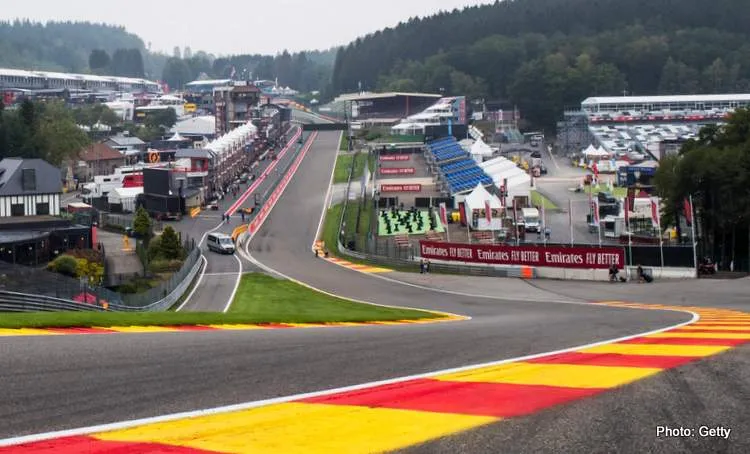
The double-header is only the start of a relentless summer. After Silverstone, the action rolls on to the Circuit de Spa-Francorchamps for the Belgian Grand Prix on July 17-19, a venue many drivers quietly name as their favorite.
Spa is the longest lap on the calendar, threading through the Ardennes forest with weather that can drench one end of the circuit while the other stays bone dry.
No corner sums up the place better than Eau Rouge and Raidillon, the uphill flick that separates the brave from the merely fast. This stretch of Belgium has earned legendary status among hardcore supporters and first-time watchers alike, and the build-up around it only grows as the calendar inches closer.
The beauty of this run is variety, and that variety is exactly why the season stays gripping. A reader new to the sport can find a thorough Spa's iconic layout breakdown that explains the specs, the sectors, and the technical demands corner by corner.
What Makes Each Stop Worth the Early Alarm

Then comes Hungary on July 24-26, where the tight, twisty Hungaroring strips away the high-speed thrills and favors precision instead — often described as a street circuit without the walls.
Put the four together and the contrast is the whole appeal. The Red Bull Ring's vertical sprint, Silverstone's flowing speed, Spa's mountain epic, and the Hungaroring's chess match all ask completely different questions of the same drivers and machines.
For US fans, that diversity is the hook that turns a single curious Sunday into a full summer of must-watch weekends.
Back to the guiding idea one last time: F1's strength is that no two stops feel the same, and that constant reinvention is what keeps audiences across the Atlantic engaged. The Austrian and British Grands Prix kick off a stretch that pays off for anyone willing to set the alarm and lean in.
Whether a fan is studying tire strategy or simply soaking up the noise and color, this European swing offers plenty to celebrate — and a fresh reason to look forward to every green light all summer long.
Latest News



Loading