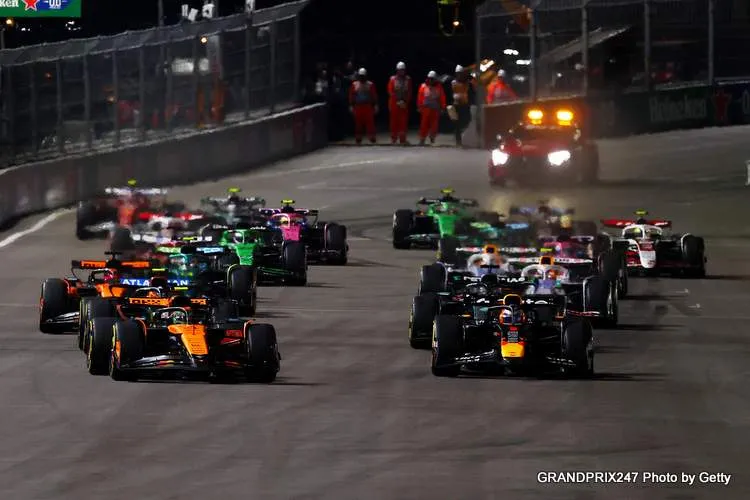
Formula 1 has always been a sport where preparation meets uncertainty. Teams arrive at each race with data, simulations, and carefully planned strategies, yet the moment the lights go out, anything can change.
Fans follow practice sessions, qualifying, and expert
analysis, trying to anticipate what will happen on race day.
That same mindset of reading the race,
weighing possibilities, and staying engaged throughout is reflected in
platforms like Merkur Xtip, where the excitement comes from
interpreting all these variables and seeing how they play out in real time.
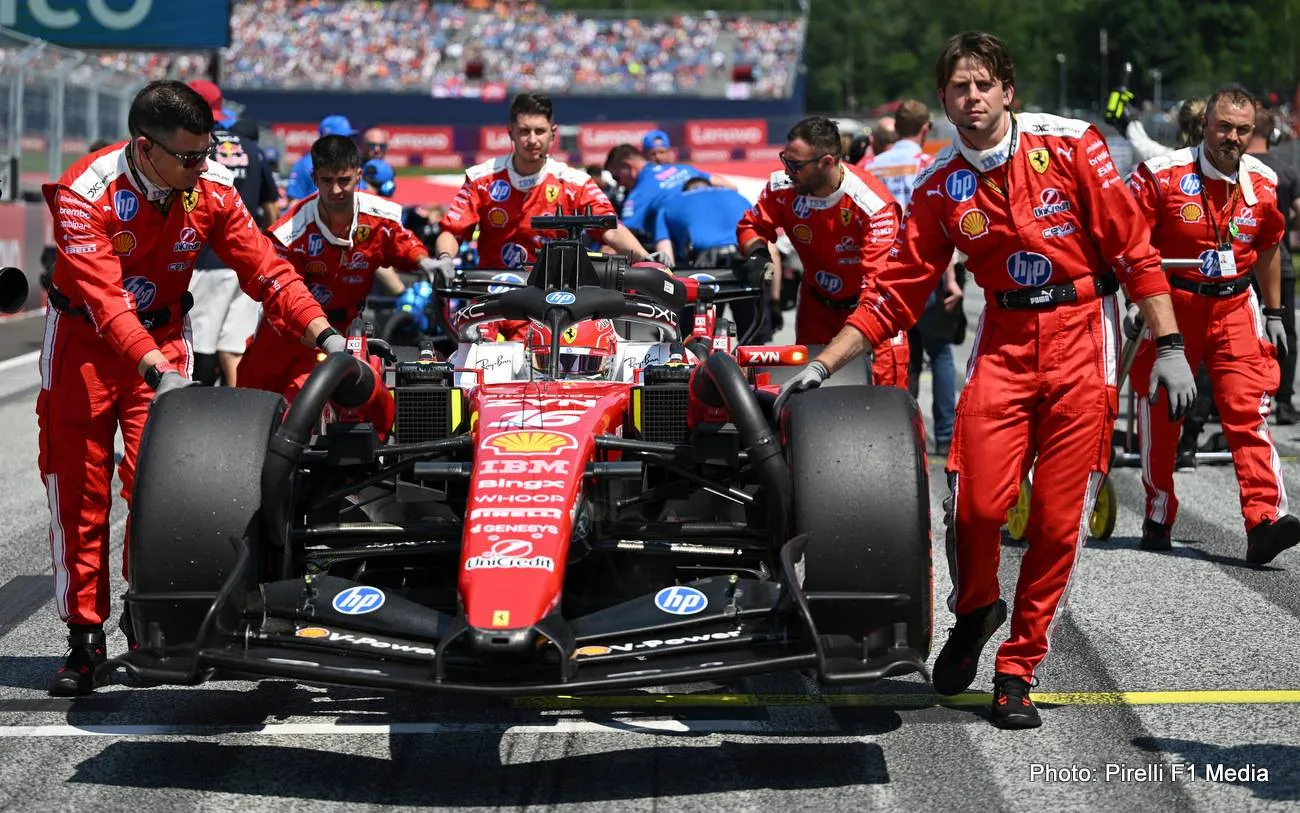
The Role of Qualifying and Grid Position
Qualifying often shapes expectations
heading into a race weekend. A strong lap can secure track position, which is
especially important on circuits where overtaking is limited. Fans and analysts
spend a lot of time breaking down lap times, sector performance, and tire
choices to understand who has the edge.
Yet Formula 1 rarely follows a simple
script. A driver on pole can lose positions at the start, while someone further
back may gain places through a strong launch or clever positioning in the
opening corners. Even small differences in reaction time or grip can shift the
order quickly.
This gap between expectation and reality
is where unpredictability begins.
Strategy Decisions That Change Everything
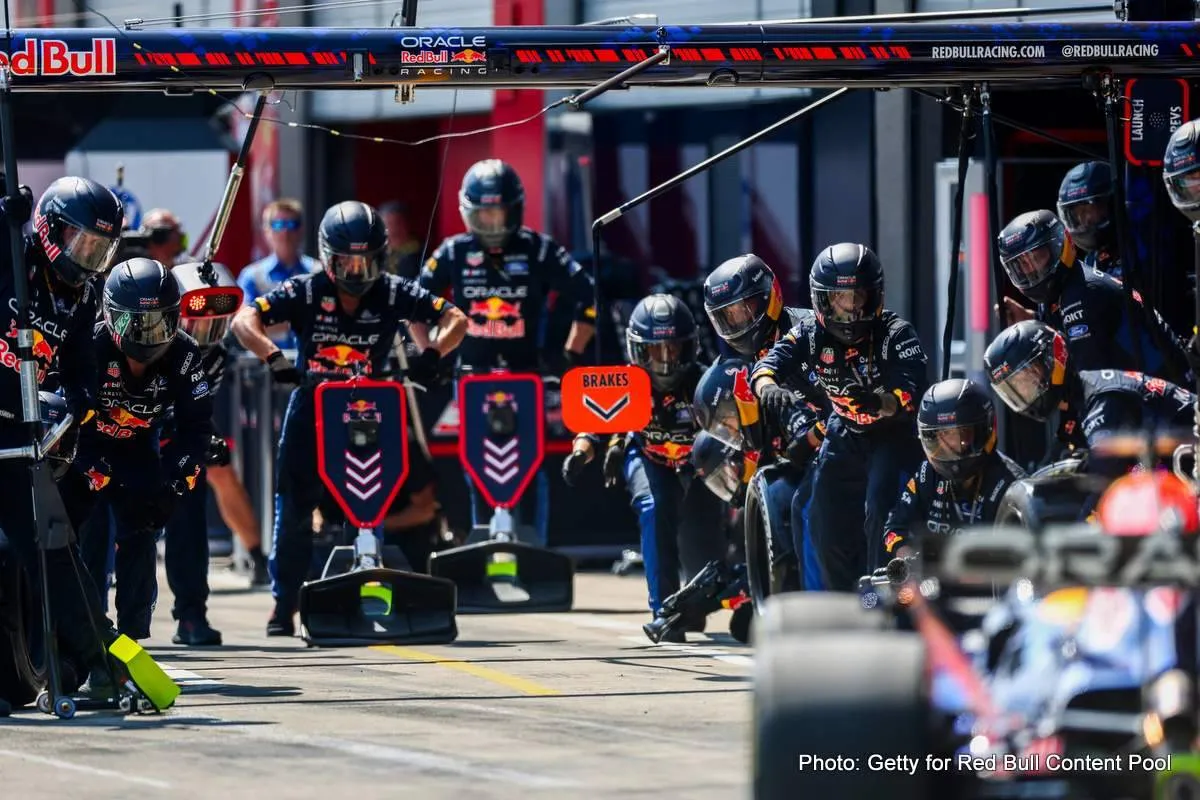
Strategy is one of the most important and
least predictable elements of Formula 1. Teams must constantly evaluate tire
wear, track conditions, and the behavior of competitors. Decisions about pit
stops are rarely straightforward.
An early stop can help a driver gain
track position through an undercut, while staying out longer might create an
advantage later in the race. These choices depend on timing, and timing is
often influenced by events that are difficult to control.
Fans who follow these decisions closely
know how quickly a race can turn based on a single strategic call.
The Impact of Weather Conditions
Weather adds another layer of complexity
that no team can fully predict. A sudden rain shower can change grip levels and
force teams to switch tire strategies within moments. Drivers must adapt
immediately, often with limited visibility and changing track conditions.
Some drivers excel in these situations,
gaining positions through confidence and control. Others may struggle to find
the right balance, losing time or making mistakes.
This unpredictability keeps both teams
and fans alert, knowing that conditions can shift at any time.
Safety Cars and Unexpected Interruptions
Safety cars have the power to completely
reset a race. When an incident brings the field together, gaps disappear and
strategies are reconsidered. A driver who was leading comfortably may lose
their advantage, while others get a second chance to compete.
These moments introduce a level of
randomness that cannot be planned for. Teams must react quickly, deciding
whether to pit or stay out, often with limited information.
For fans, these interruptions often
create the most exciting phases of the race.
Driver Performance Under Pressure
Even with the best machinery and
strategy, the outcome of a race often comes down to the driver. Formula 1
requires precision, focus, and the ability to make decisions under pressure.
A small mistake can have a big impact.
Locking up a tire, missing an apex, or reacting too late can cost valuable
time. At the same time, a confident and composed performance can turn a
difficult situation into a strong result.
This human element ensures that no race
is ever fully predictable.
Team Dynamics and Communication
Behind every driver is a team working in
real time to manage the race. Engineers provide data, suggest strategies, and
respond to changing conditions. Clear communication is essential.
When everything works smoothly, the team
and driver operate as one. When it does not, even small delays or
misunderstandings can affect the outcome.
These behind-the-scenes decisions play a
major role in shaping what happens on track.
The Constant Possibility of the Unexpected
Formula 1 is a sport built on precision,
yet it thrives on uncertainty. Mechanical issues, collisions, and sudden
changes in pace can alter the race at any moment. Even the most dominant
performance can be challenged by something unexpected.
Fans understand that no prediction is
ever guaranteed. This uncertainty is what keeps them engaged from start to
finish.
Each lap carries the potential for
something new, and that is what makes the experience so compelling.
Why Unpredictability Keeps Fans Engaged
The unpredictability of Formula 1 is not
a flaw. It is the reason so many people stay invested in every race weekend. It
encourages analysis, discussion, and a deeper connection to the sport.
Fans do not only watch for the result.
They watch for the journey, the decisions, and the moments that shape the
outcome.
In the end, Formula 1 delivers more than
competition. It offers a constantly evolving story, where every race unfolds in
its own unique way.

Latest News
Loading