The rise and rise of Toto Wolff in Formula 1 thanks to the Mighty Mercedes team he built
F1 HistoryMonday, 06 April 2026 at 07:30
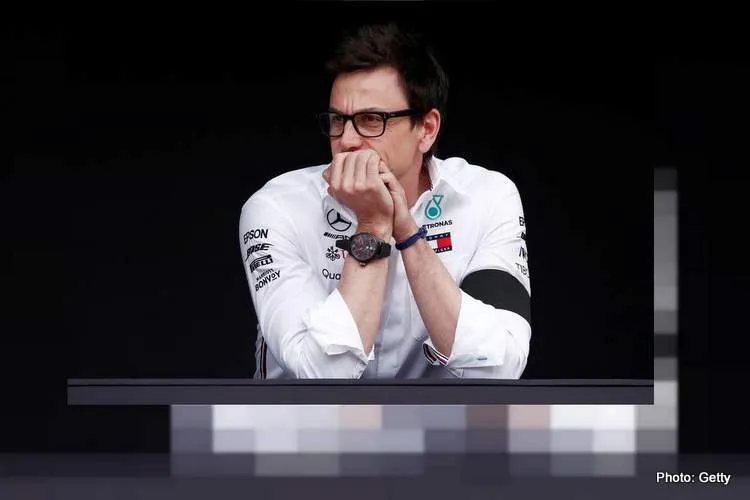
Toto Wolff’s rise to the summit of Formula 1 was never a straight line. Before becoming the public face of Mercedes’ most dominant era, the Austrian had already built a life shaped by personal loss, racing ambition and a sharp instinct for business.
Born Torger Christian Wolff in Vienna on 12 January 1972, he grew up in difficult circumstances. His mother was Polish and worked as a physician, while his father was Romanian. When Wolff was 8, his father was diagnosed with brain cancer. His parents later separated, and his father died when Wolff was 15. Those early experiences would become central to the mindset that later defined him in the paddock: disciplined, relentless and rarely sentimental.
Wolff attended the Lycée Français de Vienne and later studied at the Vienna University of Economics and Business, but did not complete his degree. By then, his focus had shifted elsewhere. He was already chasing opportunity in motorsport and beyond, determined to build something on his own terms.
His competitive racing career began in 1992 in Austrian Formula Ford. He continued racing in Austrian and German Formula Ford until 1994 and won his class at the 1994 24 Hours Nürburgring. It was never the career of a future Formula 1 star, but it gave him something just as valuable: a driver’s understanding of pressure, performance and technical detail.
Racing gave Wolff his grounding

Wolff continued to race through the next decade while steadily expanding his interests off track. In 2002 he competed in the FIA GT Championship and finished 6th in the N GT category with 1 win. In 2003 and 2004, he raced in the Italian GT Championship and added another victory. In 2006, he was runner up in the Austrian Rally Championship and also won the Dubai 24 Hour race.
He also worked as an instructor at the Walter Lechner Racing School, building his technical knowledge from another angle. In 2009, he set a lap record on the Nürburgring Nordschleife in a Porsche RSR, another reminder that his connection to racing was never just corporate.
At the same time, Wolff was laying the financial foundations that would later give him unusual leverage in Formula 1. In 1998, he founded Marchfifteen, an investment company focused on internet and technology businesses. In 2004, he followed that with Marchsixteen Investments, shifting towards strategic holdings in medium sized industrial and listed companies.
That business success gave him something many team bosses have never had: independence. Wolff did not enter Formula 1 as a career employee. He arrived as an investor who preferred ownership to hierarchy. That distinction mattered later when Mercedes came calling.
His motorsport investment strategy accelerated in 2006 when he bought a 49% stake in HWA AG, the company behind Mercedes Benz’s DTM programme. HWA was floated on the stock exchange in 2007, while Wolff also became involved in projects including Formula 3 engines and the Mercedes Benz SLS AMG GT3. He invested in BRR Rallye Racing and also co owned a sports management company with Mika Häkkinen, helping guide drivers including Bruno Spengler, Alexandre Prémat and Valtteri Bottas.
Williams was gateway to Formula 1 for Wolff

Wolff entered Formula 1 formally in November 2009 when he bought a minority stake in Williams. It was a calculated move that merged his commercial instincts with his long standing racing obsession. He joined the board and increasingly became involved in the team’s direction.
By July 2012, he had been promoted to executive director. At Williams, Wolff began to build his reputation as a paddock operator who understood both finance and performance. During that period, the team claimed its most recent grand prix victory when Pastor Maldonado won the 2012 Spanish Grand Prix.
Williams was not where Wolff would make his name, but it was where he sharpened the tools that would later define him at Mercedes. He learned how a Formula 1 team functioned from the inside, how political the sport could be, and how narrow the gap was between investment and results.
As his role elsewhere expanded, he gradually sold off his Williams shares. Two thirds went to American businessman Brad Hollinger in 2014, with the remainder sold in March 2016. By then, his future had already shifted decisively.
That turning point came in late 2012, when Mercedes approached Wolff while still struggling to establish itself as a genuine front runner after returning as a works team in 2010. Wolff’s verdict was blunt: the team was under resourced and misaligned if it wanted to fight for championships. He initially rejected the idea of becoming team principal because he did not want to be just another employee. Instead, he negotiated entry on his own terms.
In January 2013, Wolff bought a 30% stake in Mercedes AMG Petronas Formula 1 Team for a reported $30 million to $38 million. He became executive director, managing partner and co owner, joining a structure that also included Niki Lauda and Mercedes’ parent company.
Formula 1’s defining team boss

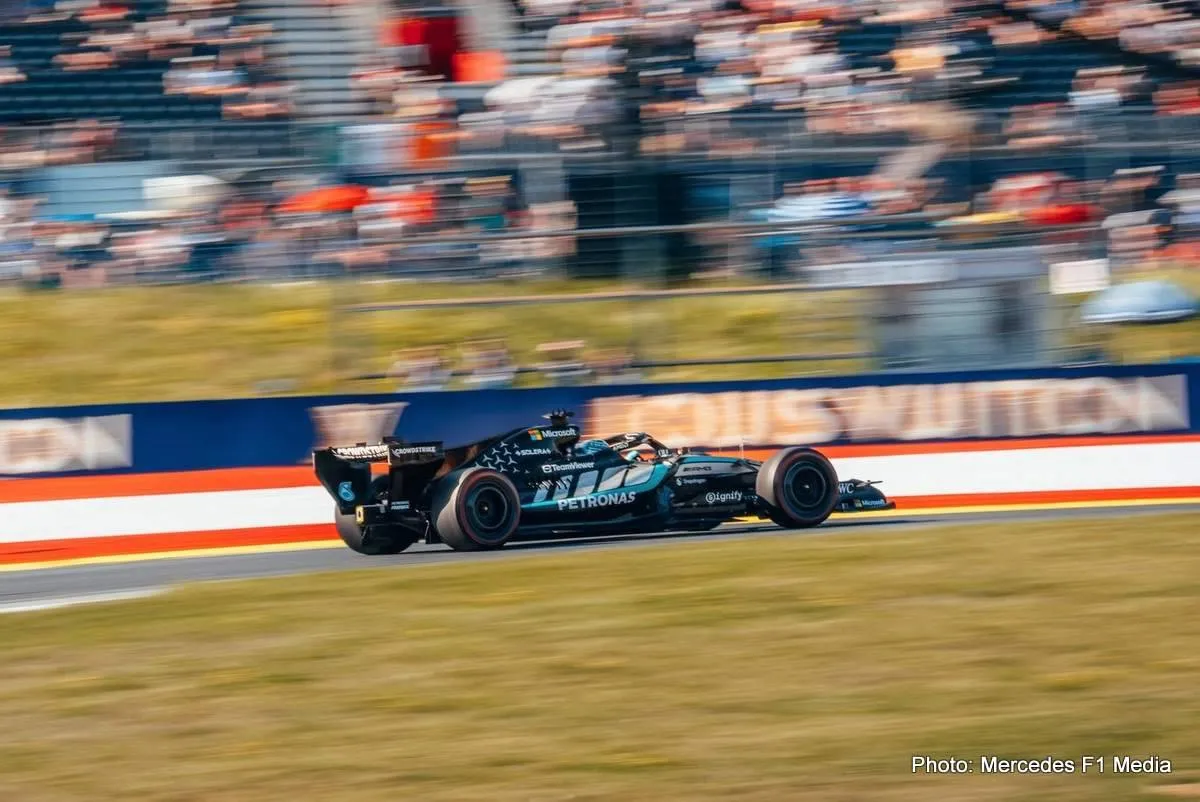
From 2013 onward, Wolff oversaw one of the greatest periods of sustained success in Formula 1 history. Mercedes nailed the 2014 turbo hybrid rules and then turned that early advantage into an era of control. The team won 8 consecutive Constructors’ Championships from 2014 to 2021 and claimed 7 Drivers’ Championships from 2014 to 2020.
Under Wolff’s leadership, Mercedes became the benchmark in every department: engineering, operations, driver management and culture. The numbers were extraordinary, with 119 wins and 128 pole positions during the hybrid era, plus a win rate of around 45%. The team’s dominance redefined what sustained excellence looked like in modern Formula 1.
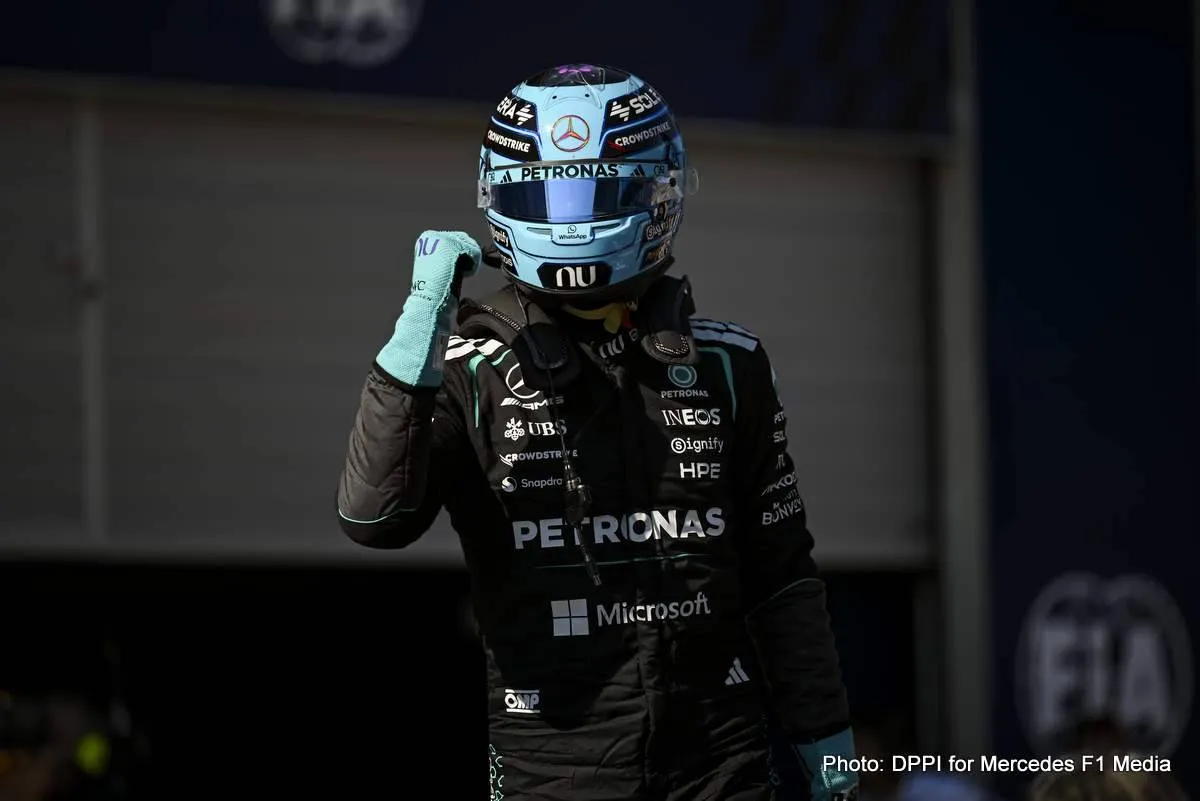
Wolff was also central to driver development. Before Mercedes, he had already managed Bottas. At the team, he oversaw the growth of George Russell, Mick Schumacher and, later, Kimi Antonelli. Russell emerged through the Mercedes junior structure, won the 2018 Formula 2 title and graduated to the works team in 2022. Antonelli became the boldest expression of Wolff’s long game, rising rapidly through the Mercedes pipeline before being backed as Lewis Hamilton’s successor.
Hamilton, of course, became the cornerstone of Wolff’s greatest triumphs. Their partnership delivered 6 world titles together and turned Mercedes into the defining team of the era.
By 2026, Wolff remains one of the most powerful figures in the sport, worth $2.7-billion according to Forbes, with a stake in Mercedes worth hundreds of millions as the team’s valuation pushes beyond $3 billion. And, notably, Toto's team got it right again for this new Formula 1 era. Another period of dominance could well be underway.
From private tragedy to trackside authority, his story is not just about winning races. It is about how a self-made investor turned control, conviction and calculated risk into the modern Mercedes motorsport empire.
Latest News
Loading