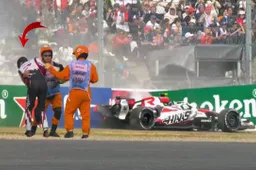
The 8MJ Solution: Why the FIA Slashed Energy Recharge Limits for Suzuka Qualifying
F1 NewsMonday, 30 March 2026 at 01:25
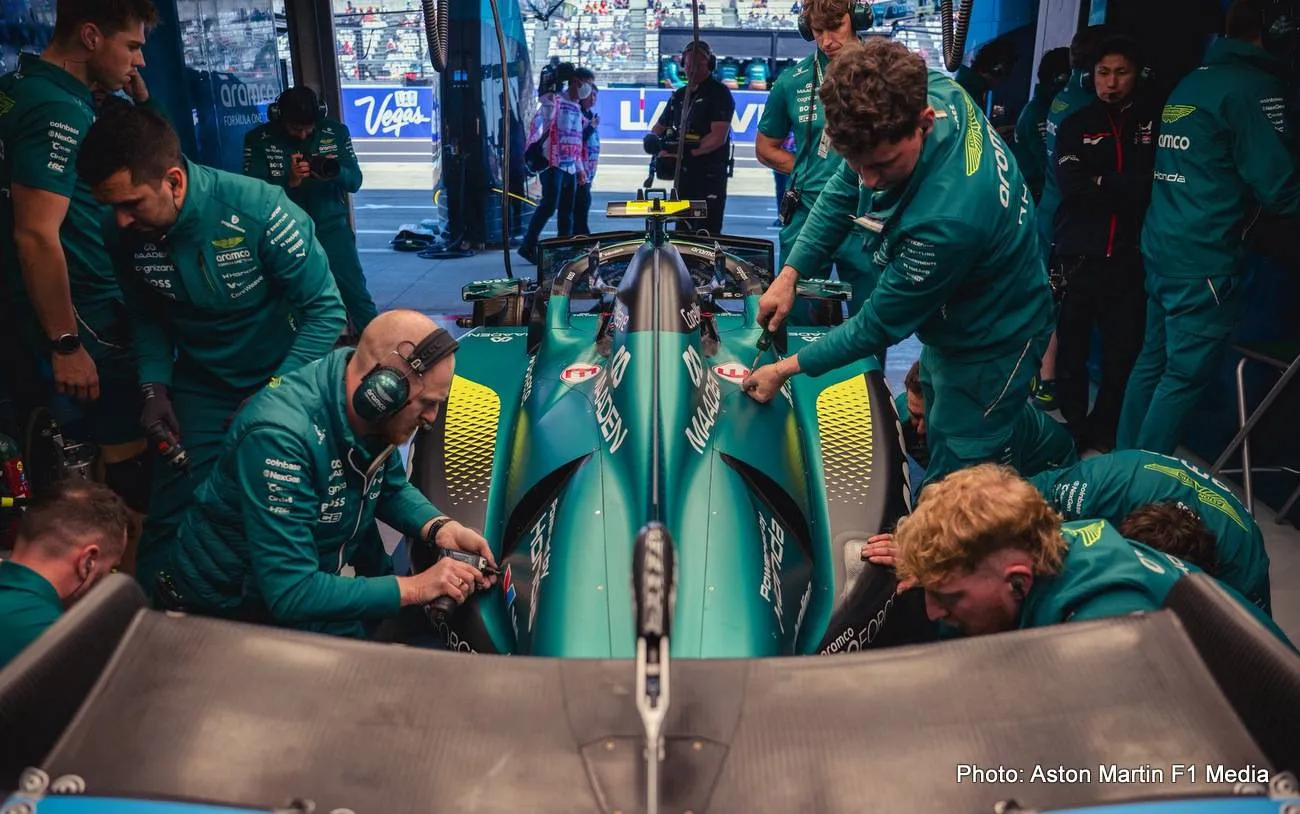
The 2026 Formula 1 technical regulations have introduced a radical shift in how power is delivered, moving to a 50/50 split between internal combustion and electrical energy.
However, the high-speed nature of Suzuka has presented a unique challenge known as "clipping." This occurs when cars run out of battery power on long straights, causing a sudden and dramatic loss of speed.
To prevent qualifying from becoming a game of energy management rather than raw pace, the FIA has implemented an emergency "8MJ Solution" for the Japanese Grand Prix.
Initial simulations for the 2026-spec cars at Suzuka showed "derating" halfway through the 1.2km back straight. Without intervention, qualifying laps would be dictated by battery saving rather than driver bravery through the iconic 130R corner.
This technical balancing act is not unlike how savvy players look for the best casino bonuses to maximise their playtime; in both worlds, success depends on understanding the underlying math to get the most out of your resources.
The 8MJ Solution is essentially a cap on the maximum energy recovery per lap, ensuring that no team can "hoard" enough electrical juice to create an artificial "super-lap" that the hardware cannot sustainably support.
The Physics of 130R: Why Suzuka is the Ultimate Battery Drain
Suzuka is a "high-load" circuit where drivers spend a massive percentage of the lap at full throttle. The run from Spoon Curve through the 130R and down to the Casio Triangle requires sustained electrical deployment from the 350kW Motor Generator Unit-Kinetic (MGU-K).
Under the new rules, the MGU-H (Heat) has been removed, meaning the car can only recharge through braking. At a track like Suzuka, there simply are not enough heavy braking zones to refill the reservoir.
The "clipping" phenomenon is the biggest fear for the 2026 era. If a car’s Energy Recovery System (ERS) cuts out while a following car is still on full boost, the speed differential can exceed 50km/h. In a qualifying environment, this would lead to "dirty" laps and dangerous closing speeds.
By capping the recharge limit, the FIA is forcing teams to be more efficient with how they deploy their 400 horsepower of electrical assist across the entire 5.8km lap.
How the 8MJ Cap Levels the Playing Field
By slashing the recharge limit to 8 Megajoules (MJ), the FIA prevents teams with superior harvesting efficiency from gaining an unfair advantage during a single flyer.
This prevents a "qualifying special" map where a car might harvest excessively on an out-lap to dump it all in one go. Instead, everyone must operate within the same tight energy window. This shifts the focus back to chassis dynamics and aerodynamic efficiency.
Teams like Mercedes and McLaren have been seen rewriting their energy deployment maps just 48 hours before the green light in Japan. The engineers are now looking for the "sweet spot" where they can use the electrical boost to exit the Esses without running dry before they reach the start-finish line.
It is a high-stakes game of software optimisation that rewards the smartest engineering teams in the paddock.
Driver Perspectives: Fighting the "Calculator" Behind the Wheel
Max Verstappen has been one of the most vocal critics of the 2026 energy profile. He previously expressed concerns that drivers would have to downshift on straights just to keep the batteries topped up.
The 8MJ cap is a direct attempt to mitigate this "unnatural" driving style. While it does not solve the fundamental lack of the MGU-H, it does ensure that the "Override Mode"—the 2026 version of DRS—is used strategically rather than constantly.
Drivers like Oscar Piastri and George Russell have noted the increased physicality of managing these systems.
They are no longer just steering and braking; they are constantly monitoring energy bars on their steering wheel displays. In a qualifying flyer at a place as demanding as Suzuka, having to be an "energy manager" while pulling 5G through the First Sector is a massive mental load.
Looking Ahead: Is the 8MJ Cap a Permanent Fix?
The "8MJ Solution" at Suzuka is a trial by fire for the FIA. If it succeeds in keeping the qualifying spectacle alive this weekend, we can expect similar recharge limits to become the standard for other high-speed tracks like Monza or Spa-Francorchamps.
However, many in the paddock wonder if this is merely a "band-aid" for a regulation set that might eventually need a fundamental hardware adjustment.
Ultimately, the FIA’s agility in Japan was a necessary move. Suzuka is the temple of speed, and the last thing the fans want to see is the world's best drivers lifting off the throttle on a straight because a computer told them they were out of juice.
By capping the recharge, the FIA has ensured that the "8MJ Solution" keeps the power in the hands of the drivers, not just the algorithms.
Latest News


Loading