How Different Countries Regulate Formula 1 Betting: A Global Comparison
F1 NewsMonday, 06 July 2026 at 01:31
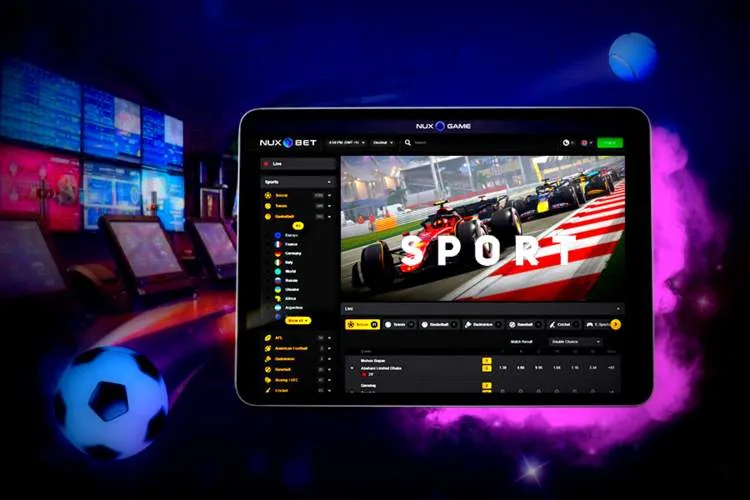
F1 betting is usually regulated as sports betting, not as a separate motorsport category.
That means the same laws covering football, tennis, basketball, and racing markets normally apply to Formula 1 wagers such as race winner, podium finish, fastest lap, qualifying result, driver matchup, constructor points, and season championship bets.
F1 betting also depends on three legal questions: whether sports betting is allowed, whether online betting is licensed, and whether live or in-play betting is restricted. Formula 1’s commercial connection with regulated betting has grown; in 2026, F1 announced Betway as its first official betting operator across several regions, showing how regulated markets are becoming more important to the sport.
United Kingdom
United Kingdom regulation is one of the clearest models for F1 betting. In Great Britain, operators need a Gambling Commission licence to offer betting to local players, including remote gambling and advertising to consumers.
United Kingdom rules allow pre-race and in-play F1 betting when the sportsbook is licensed, verifies age and identity, follows anti-money-laundering duties, offers safer gambling tools, and meets advertising standards. Offshore operators targeting British customers without a licence face enforcement risk. In practice, UK bettors can legally bet on most major F1 markets through licensed sportsbooks, but operators must manage risk, data accuracy, settlement rules, and responsible gambling controls.
United States
United States F1 betting is regulated state by state. There is no single national sportsbook licence, so a wager that is legal in New Jersey or Nevada may be unavailable in a state without legal online sports betting. Industry state maps track where sports wagering has been authorised and whether mobile betting, retail-only betting, or tribal-only betting is available.
United States sportsbooks usually list F1 where the state regulator permits motorsport markets. Bettors must be physically located in a legal state, pass geolocation checks, meet the local minimum age, and use licensed apps. Some states restrict college props or niche markets, but F1 markets are generally less politically sensitive because they do not involve college athletes.
Canada
Canada allows single-event sports betting after Criminal Code amendments came into force on August 27, 2021, giving provinces and territories authority to conduct and manage single-event sports betting, except horse racing.
Canada does not regulate online betting through one national market. Ontario is the most open model: its regulated iGaming market launched on April 4, 2022, allowing private operators registered with the AGCO and contracted with iGaming Ontario to serve local players.
live blackjack Canada belongs to the casino side of iGaming, while F1 betting belongs to the sportsbook side; both may be available on licensed platforms in regulated provinces, but the legal route depends on provincial rules, not a single federal licence.
Australia
Australia permits licensed sports wagering but draws a hard line around certain online products. The Interactive Gambling Act makes it illegal for providers to offer banned online services to Australians, including online casinos, in-play sports betting, unlicensed sports betting services, and lottery-outcome betting.
Australia therefore allows pre-event F1 betting through licensed wagering operators, but online in-play F1 betting is generally prohibited. This is a major difference from the UK and many European markets, where live race betting is common. Australian authorities also maintain enforcement tools against illegal offshore gambling services.
France, Germany, and Italy
France regulates online sports betting through the ANJ, which oversees licensed betting and gambling. France is stricter than many markets because the regulator controls which sports events and bet types may be offered; if a Formula 1 market is not authorised, operators cannot simply list it by default.
Germany regulates sports betting under the Interstate Treaty framework, with licences for online sports betting and other selected online gambling products. Germany’s approach focuses on licensing, player protection, deposit controls, advertising limits, and central supervision.
Italy regulates gambling through the Customs and Monopolies Agency, which oversees betting licences and the betting-office network. Italian F1 betting is legal through authorised operators, but advertising restrictions and licence requirements make the market more controlled than fully liberal systems.
Brazil
Brazil has moved from a grey online betting environment into a regulated fixed-odds betting market. The Ministry of Finance states that fixed-odds betting was legalised for sports betting by Law No. 13,756/2018 and for online games by Law No. 14,790/2023; from January 1, 2025, only operators authorised by the Secretariat of Prizes and Betting may operate nationally, and authorised betting sites use “.bet.br” domains.
Brazilian F1 betting is therefore legal only through authorised fixed-odds betting operators. The country also regulates responsible gambling, marketing, payments, technical certification, anti-money-laundering controls, and operator authorisation. This makes Brazil one of the newest major regulated F1 betting markets.
India, Singapore, Japan, and the UAE
India treats gambling and betting mainly as a state-law issue, so F1 betting can be legally uncertain and often restricted. Some states allow limited gaming products, but many prohibit betting, and enforcement against illegal online betting promotion remains active.
Singapore allows legal betting through tightly controlled authorised operators such as Singapore Pools, which describes its role as providing a safe, trusted betting avenue to counter illegal gambling.
Japan generally bans gambling but allows specific public sports betting categories such as horse racing, bicycle racing, powerboat racing, and motorcycle racing; regular Formula 1 sportsbook betting is not treated like those public racing exceptions.
United Arab Emirates regulation is changing through the General Commercial Gaming Regulatory Authority, but unlicensed commercial gaming activity remains illegal, and sports wagering is defined as a regulated commercial gaming activity requiring licensing.
Wildz Casino may appear in online gambling discussions as a casino brand, but F1 bettors should separate casino licensing from sportsbook legality because a casino product, sportsbook product, and local player authorisation can be regulated differently.
Global Comparison Summary
F1 betting is most open in countries with licensed online sportsbooks, such as the UK, parts of Canada, many U.S. states, Italy, Germany, France, and Brazil. F1 betting is more limited in Australia because online in-play betting is banned, and it is highly restricted or uncertain in countries where general sports betting remains illegal, state-controlled, or limited to special public racing categories.
F1 bettors should check four points before wagering: the operator’s local licence, whether online betting is allowed, whether in-play race betting is legal, and whether the specific F1 market is authorised. A regulated F1 bet protects the player through identity checks, fair settlement rules, safer gambling tools, complaint channels, and oversight that offshore sites usually cannot guarantee.
Latest News





Loading