Formula 1's Esports Boom Is Fueling a New Wave of Racing Entertainment
F1 NewsTuesday, 16 June 2026 at 04:33
Race weekends used to be the only time Formula 1 fans got their fix. But times have changed.
These days the gap between Sunday's chequered
flag and the next green light barely matters. There's a whole parallel
world of virtual racing, simulators, and casual gaming keeping the adrenaline
going in between. Formula 1 itself has leaned hard into that shift, and the
numbers back up just how big it's gotten.
Numbers Behind F1's Digital Racing Boom
It's tempting to write off
esports as a side hobby for diehards, but Formula 1's own data tells a
different story. In an esports viewership report published on its official site,
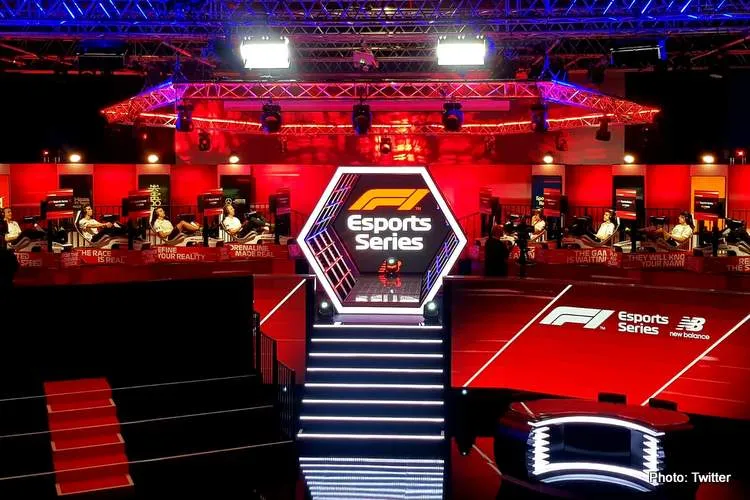
F1 said its Esports Series logged more than 23 million views across digital
platforms in a single year, a 103% jump from the year before, with the Pro
Championship and Grand Final both posting strong gains of their own. That kind
of trajectory doesn't happen by accident. It reflects an audience that wants
racing content in more places than just race weekend.
Real Teams, Real Stakes
The sport's biggest
constructors clearly agree. At the 2025 F1 Sim Racing World Championship,
drivers fielded by McLaren, Mercedes-AMG, Red Bull, Williams Esports, and
Ferrari Esports competed for a $750,000 prize pool, and the broadcast pulled in
over 809,500 hours watched with a peak of nearly 79,000 concurrent viewers. Red
Bull Sim Racing eventually took the constructors' title, with Jarno Opmeer
crowned individual champion. These aren't token marketing exercises anymore.
They're run with close to the same seriousness as a junior driver program.
The Technology Powering Virtual Racing
A lot of what makes modern
sim racing competitive comes down to the same tools real F1 teams use to
prepare for a Grand Prix. Strategy modelling, lap data, and scenario testing
have moved from the garage to the sim rig, narrowing the gap between a practice
session at a team's factory and a Tuesday night qualifier streamed from
someone's bedroom. GrandPrix247 has looked at how teams lean on machine learning to sharpen
strategy and player performance, and a surprising amount of that
thinking now shows up in how top sim racing squads prepare their drivers too.
Where Casual Fans Get Their Racing Fix
Not everyone wants to grind
through hours of practice laps to feel that racing buzz, though. For fans who
just want a quick hit of speed between Grand Prix weekends, the racing theme
has spilled into more casual corners of online entertainment as well. Lucky
Casino's game library, for one, includes a traffic-themed slot built around
chaotic, multiplier-driven chases through gridlocked streets, and players
curious about that kind of fast-paced format can try
Road Rage here for a taste of the chaos without needing a wheel and
pedal set.
Frequently Asked Questions
What exactly is the F1 Esports Series?
It's Formula 1's official
competitive sim racing championship, where amateur and semi-professional
drivers race for a spot representing real F1 teams in a digital recreation of
the sport.
Is sim racing actually growing, or is it a niche trend?
The numbers suggest real
growth. F1's own reporting showed a 103% year-on-year jump in digital views
during one recent season, and 2025's Sim Racing World Championship drew its
biggest audience yet.
Do real F1 teams take sim racing seriously?
Yes. Teams including
McLaren, Mercedes-AMG, Red Bull, Williams, and Ferrari now field dedicated
esports squads that compete in official championships with significant prize
money on the line.
What connects real F1 strategy work to sim racing?
Both rely heavily on data
modelling and scenario simulation. Tools originally built to plan race strategy
on the pit wall have informed how sim racing teams now train and prepare.
Are racing-themed slot games connected to actual motorsport?
Not officially, but the
crossover in theme is clear. Titles like Road Rage borrow the speed, chaos, and
competitive energy of motorsport for a casual, low-commitment format that fans
can enjoy between races.
Formula 1's appeal has never really been confined to the
cars on track, and that's truer now than ever. Between official esports
championships, the tech crossover with race strategy, and casual racing-themed
entertainment for fans who just want a quick fix, the sport's influence keeps
finding new digital outlets.
However fans choose to get their speed fix between
Grand Prix weekends, the line between watching racing and playing at it keeps
getting thinner.

Latest News


Loading