Esports World Cup 2026 Sim Racing: Inside the Format and Why Teams Are Paying Attention
Special FeatureFriday, 15 May 2026 at 01:21
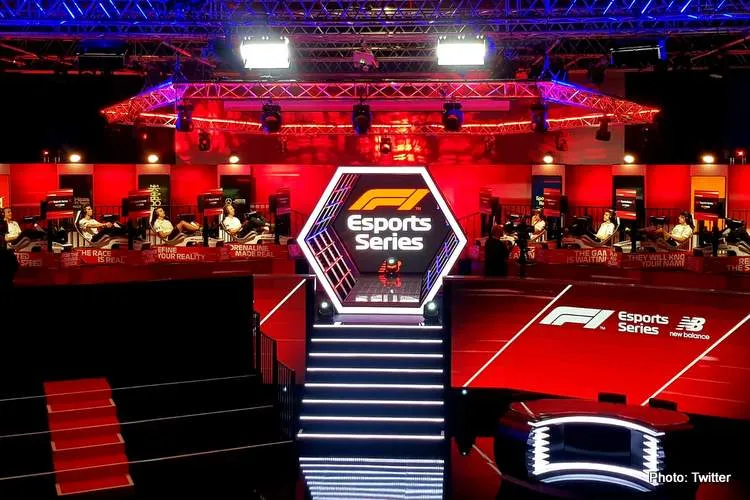
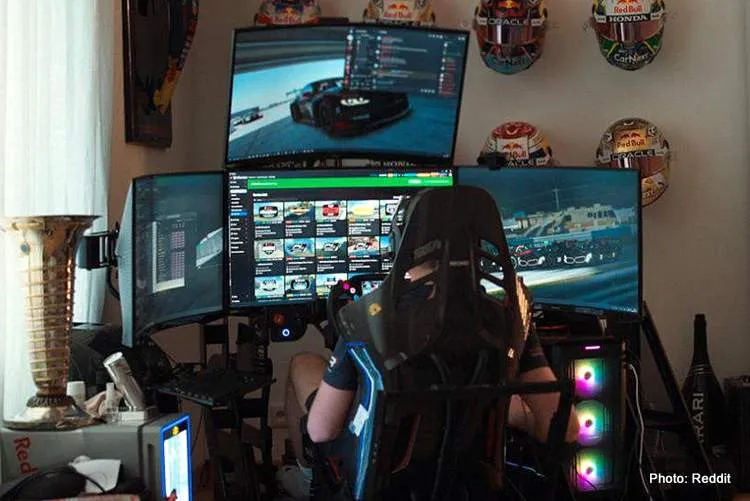
In essence, sim racing has been on its way to this day for quite some time now. The sport that was viewed simply as a niche product of esports has finally stepped out of that niche as part of the Esports World Cup 2026.
Sim racing is surely going to become one of the most popular titles for participating in this competition.
The Esports World Cup of 2026 will take place from 6 July to 23 August in Riyadh, Saudi Arabia, with a total number of 25 titles being played within 24 games, with the prize money for this competition estimated to be $75 million, slightly more than that of last year, which was $71.5 million.
It needs to be remembered that the above information can prove to be interesting not only for fans of sim racing but also for all other motorsports aficionados.
Why Sim Racing Has Reached This Stage
Sim racing’s rise has not happened overnight. It has evolved through a variety of factors that include advancements in technology, changes in audience preferences, and actual participation from real-life motorsport organisations.
Games such as iRacing, Assetto Corsa, and rFactor 2 have achieved such an advanced level of development that professionals pay attention to aspects of their physics, tyre modelling, and accuracy of tracks. During the world lockdown caused by COVID-19 in 2020, many Formula 1 and endurance racers started practising through simulation games.
From the global esports reports by Newzoo, the esports audience is predicted to grow to over 600 million viewers by 2026. Of that number, the number of viewers and participation in racing games has been growing consistently, especially if these games are related to championship tournaments.
The 2026 game selection makes clear that the fast-developing genre needs more time to establish itself. The EWC announced its official sim racing representative for 2024 and 2025 through the selection of Rennsport, but this year, the game will not be included. The EWC will introduce Trackmania as a new game for this year.
The Esports World Cup brings scale to that growth. It gives sim racing a structured global stage, something closer to what traditional motorsport has built over decades.
Understanding the Format: More Than Just Online Racing
One of the biggest reasons teams are paying attention is the expected format of the competition. Unlike sim racing leagues, which function autonomously, the Esports World Cup will be expected to have various tiers of competitions.
In the case of the game Trackmania at EWC 2026, there are presently 32 players involved in the tournament with a prize pool of $500,000. In the qualifying stage, players are matched into groups of four in each lobby using the double elimination format, where only eight players advance to the play-off stage. The in-game qualifier ensures that all players qualify for Riyadh, but the challenge is to prove their excellence.
The multi-tiered model of this system functions as a dual competition structure which matches the esports and motorsports competition systems.
Sim racing achieves its unique identity through its combination of user-friendly features and an authentic racing experience. Anyone can join online qualifying sessions, but only those who demonstrate constant performance combined with intelligence and skill will reach the championship rounds.
It gives the team an opportunity to discover talent that was previously hidden.
Why Real-World Teams Are Watching Closely
In motor sports, sim racing has evolved beyond being just an extension of marketing into being a component of the larger environment.
Formula 1, GT manufacturers, and even smaller racing teams have established esports branches of their organisations. And by organising the Esports World Cup, we add yet another layer to the game.
There are three key reasons teams are paying attention:
Talent scoutingYounger sim racers sometimes display an advanced sense of race awareness, consistency, and adaptability. They even make the step into actual motorsport already, showing that the divide between the two disciplines is not nearly as great as some believed it to be.
Brand presenceTaking part in a worldwide esports event means staying current among young people who might otherwise not pay attention to actual motorsports.
Technical alignmentSim racing environments often reflect real-world data and track conditions. This creates opportunities for teams to explore how drivers interpret setups, strategies, and race situations in a controlled environment.
The Spectator Experience Is Changing
One of the most interesting shifts around sim racing is not just how it is played, but how it is watched.
Esports events are no longer confined to individual screens. They are becoming shared experiences, much like traditional sports. Large-scale events, watch parties, and hybrid viewing setups are becoming common.
This is where sim racing fits naturally into existing motorsport culture.
Race-night viewing is starting to look more familiar
Sim racing does not feel like a normal gaming stream anymore. The better events now look closer to race coverage, with timing gaps, commentary, driver cameras, team reactions, live chat and post-race clips all running around the main broadcast.
That matters because motorsport fans already know this rhythm. They are used to long build-ups, short bursts of action, stewarding debates, strategy calls and conversations that keep going after the race ends. Sim racing fits into that pattern without needing much explanation.
As esports and motorsport viewing become more social and screen-based, fans often move between the main broadcast, live chats, race predictions, fantasy-style discussions, and Bet and Play betting conversations that already exist around traditional motorsport. That makes sim racing nights feel closer to race-day viewing culture than ordinary gaming streams.
The key point is that sim racing is not asking motorsport fans to learn a completely new viewing habit. It is giving them a digital version of something they already understand.
Sim Racing’s Appeal to a New Audience
Another reason the Esports World Cup matters is its ability to bring in viewers who may not traditionally follow motorsport.
Sim racing sits at an intersection. It attracts:
- Motorsport fans who understand racing dynamics
- Gamers who enjoy competitive environments
- Casual viewers drawn to high-quality broadcasts and storytelling
This crossover appeal is important. It allows sim racing to grow without being limited to a single audience type.
The production of broadcasting is also essential. Modern eSports have telemetry overlays, driver’s eye views, and live data visualisation. Thus, this enhances viewership from people who might not be familiar with eSports.
The Role of Manufacturers and Sponsors
Sim racing has emerged as a common trend among producers, not just as sponsors but even as participants, too.
Popular automobile companies like Porsche, Ferrari, and Mercedes have sponsored various esports competitions, realising that simulation racing is an integral part of their brand identity. There is also the Esports World Cup for other avenues of manufacturer participation.
The reason why the sponsor wants to get involved is simple – exposure and interaction. The esports community is one of the most engaged groups out there, communicating with one another in live chats, on social media, and even within gaming communities.
This presents a different type of exposure than any conventional advertising would provide.
What Sets the Esports World Cup Apart
It is the sheer scale of the Esports World Cup that distinguishes it from any other sim racing championship.
It is not all about finding a victor; it is about putting sim racing alongside other leading titles in the esports arena and making them stand out equally. Moreover, the launch of Trackmania comes with a multi-year plan, which means that there will be an increase in the popularity of races at the EWC.
This plays a key role in the growth of sim racing in the future because the format allows it to take its rightful place in the competitive gaming environment.
It also helps to standardise everything related to sim races because when there is greater focus put on formats, regulations, and production, everything becomes more sophisticated.
Challenges That Still Exist
Despite its advancement, sim racing continues to encounter difficulties.
One of the major problems is accessibility. Even though getting into sim racing on an entry level is fairly easy, competing in sim racing at high levels requires special equipment and solid infrastructural support.
Another problem associated with sim racing is its identity crisis. It lies somewhere in between gaming and motorsport, and it is still determining its identity.
The Esports World Cup can help deal with both these matters through establishing a structure and gaining visibility.
Where Sim Racing Fits in the Bigger Motorsport Picture
Sim racing has moved away from the margins of motor sport discourse and has begun to be incorporated into the motor sport structure itself. The fact that the Esports World Cup 2026 is being held shows that competitive racing has evolved to include both virtual and physical forms that complement one another.
As for teams, sim racing provides them with new means of selecting athletes and staying in touch with a new generation of fans. And as for spectators, sim racing changes their understanding of what it means to be there during a race weekend.
The important thing here is just how seamlessly sim racing fits into the current motorsport culture. It has all the competitiveness, the precision, and the growing respectability that you'd expect from any motorsport discipline.
With changing formats and increasing participation, sim racing isn’t trying to take the place of real motorsports. It’s adding new dimensions to the sport. And with platforms, teams, and spectators heading in the same direction, the difference is sure to shrink even further.
Latest News

Loading