Esports champion Jarno Opmeer feedback after testing 2026 Formula 1 cars on his home sim rig
F1 NewsTuesday, 24 February 2026 at 11:28
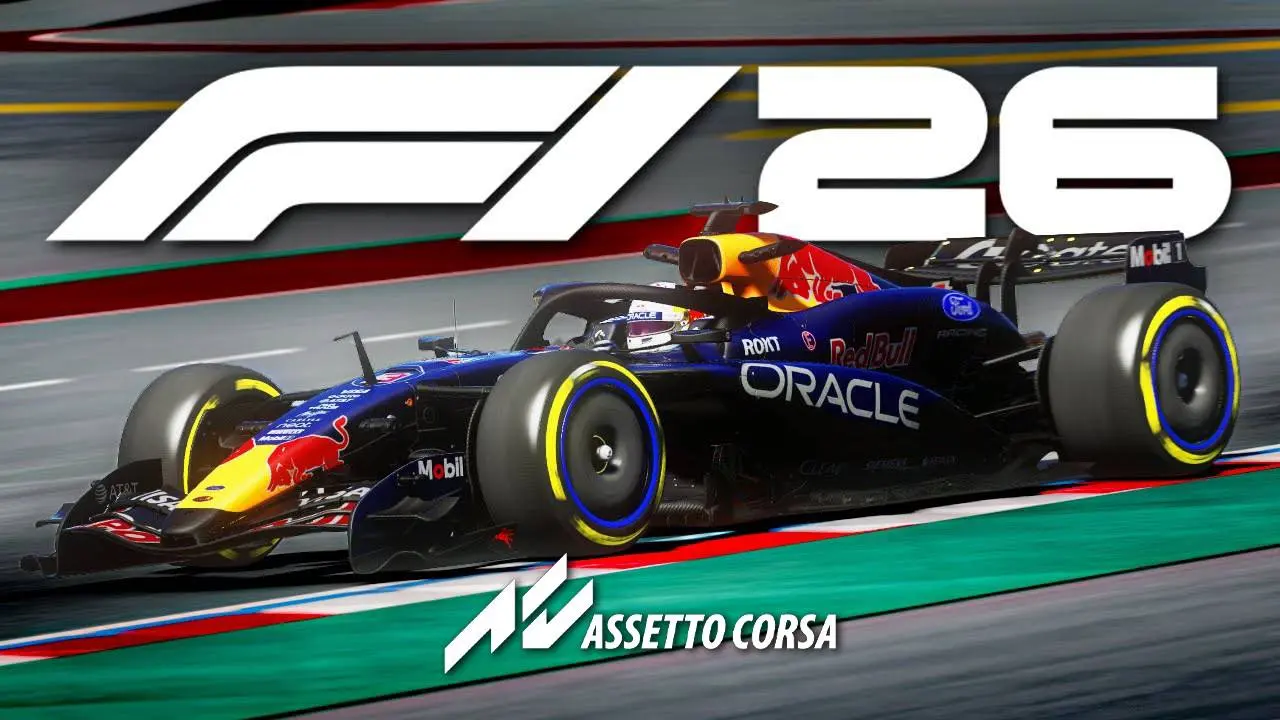
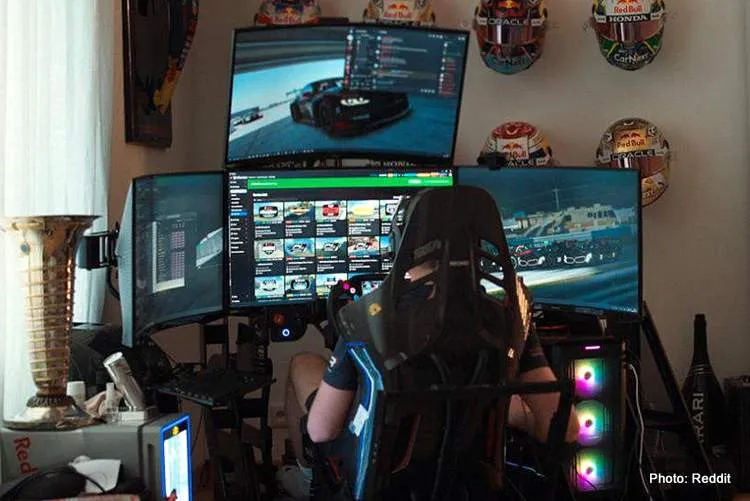
F1 Esports driver Jarno Opmeer provided a 'simulated' early indication of how the 2026 Formula 1 cars could behave, running a detailed test using a premium mod built for Assetto Corsa by Race Sim Studio.
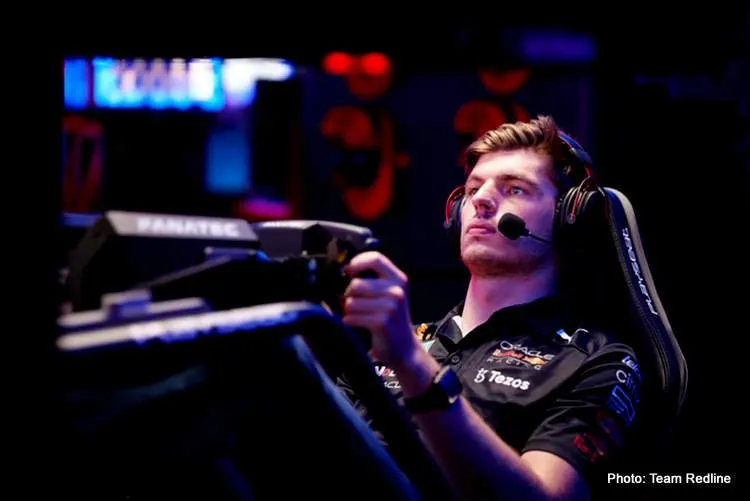
Dutch sim racer Opmeer is F1 2020,2021 and 2025 Esports World Champion and F1 Esports Driver for Oracle Red Bull Sim Racing
With real-life Formula 1 teams completing initial shakedown mileage and testing in Bahrain, ahead of the new regulation cycle, the sim run set out to explore two central questions. How much straight line speed will the new power units deliver, and what will the balance feel like under reduced downforce?
The first answer was emphatic. Opmeer described the immediate sensation on track: “There’s definitely less downforce, at least from what I can feel. But on the straight, using the overtake button, we’re reaching 370 kph.”
With sustained electrical deployment, the figure climbed even higher. The virtual car peaked at 374 kph under full overtake use, underlining how aggressively the 2026 power delivery could shape racing.
He added context around energy limits: “I think after 340 kph the MGU K power starts going down. The battery power starts going down. Of course, that might change during the season.”
Even allowing for simulation variables, the theme was clear. Straight line performance will be a defining trait of the new era.
High-speed balance exposes weaknesses

If top speed impressed, cornering stability proved far more complex. The car displayed persistent high-speed understeer combined with low-speed oversteer. That imbalance made it difficult to commit through fast corners while still retaining traction on exit.
Opmeer summarised the challenge: “At the moment it’s quite a handful, this car. And it’s probably going to be for the drivers as well because it's a completely different car.”
Setup changes brought only partial relief. Adding rear wing to calm traction was limited by existing front end push in high speed sections. Differential adjustments and rake tweaks shifted the behaviour but did not unlock a clean window.
He reflected on the compromises: “I tried to make it better in high speeds but it didn’t work. It just became worse in low speed, which is not what we needed.”
The overtake system itself introduced another layer of complexity. Full deployment below 200 kph triggered heavy wheelspin, particularly when running across kerbs.
He explained the throttle sensitivity: “When you put the overtake button on, the wheelspin is insane. You have to be so patient with it.”
Tyre degradation quickly followed. After extended power runs, the left front tyre deteriorated significantly, limiting further lap time gains.
The overall impression was of a car that rewards precision and punishes aggression.
Lap time context and development potential

The sim run inevitably invited comparison with early real-world testing figures. Isack Hadjar recorded a 1:18.100 during initial 2026 running in Barcelona, though the sim racer was careful to downplay any direct correlation.
Opmeer acknowledged the gap between platforms: “Obviously, it’s not a fair comparison at all, [home] sim versus real life.”
After multiple setup revisions and a reduced fuel load, the best simulated effort produced a 1:12.800. Even then, the car remained on a narrow edge. He maintained that there was still significant potential: “I think with the right setup we’re going to find so much time. There’s so much understeer.”
The broader takeaway aligned with what engineers across the paddock have suggested privately. The 2026 regulations will reset reference points for both drivers and teams.
He noted the workload ahead: “Same for the teams. They’ll have their hands full getting suspension and aero working properly.”
Despite the difficulty, the shift in philosophy generated clear enthusiasm. Opmeer concluded with optimism: “I’m actually really excited for these cars.”
With official Formula 1 pre-season testing in Bahrain done and the F1 26 game release months away, the simulation remains very much speculative. Yet the themes emerging from this virtual run mirror early technical briefings. Reduced aerodynamic load, dominant electrical deployment and a narrower balance window.
If even partially representative, 2026 Formula 1 will reward adaptability, throttle discipline and engineering clarity, which can be derived from Opmeer's simulation exercise.
This RSS Formula Hybrid X 2026

The car used in the sim test by Jarno is built to 2026 Formula 1 rules by Race Sim Studios under the guise of Formula Hybrid X 2026, which they claim:
- Innovative Design: Our interpretation of the evolving 2026 regulations, featuring cutting-edge hybrid technology.
- Powerful Performance: Combines 532 hp from the internal combustion engine with up to 470 hp from the electric motor.
- Detailed Craftsmanship: Our most intricate model to date, optimised for peak performance on the track.
Reportedly, Assetto Corsa mods are where the likes of Max Verstappen and Gabriel Bortoleto tap into for the tracks and cars required for their home rigs, as part of their home training regimen.
Latest News

Loading