FIA pushes ahead with major 2027 Formula 1 power unit rethink after Miami review
F1 NewsFriday, 08 May 2026 at 16:22
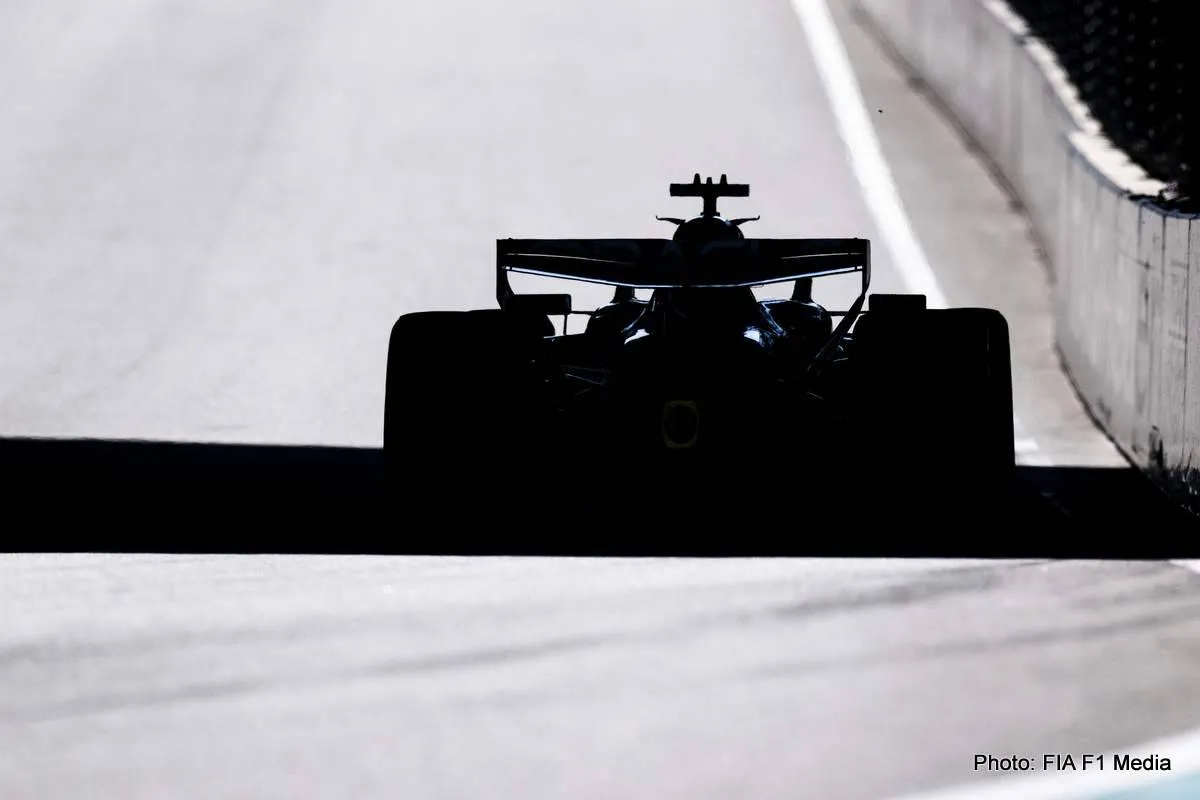
The FIA has confirmed that Formula 1’s controversial 2026 power unit regulations are already heading towards significant revision after teams and manufacturers agreed in principle to a new package of hardware changes aimed at improving racing and safety from 2027.
An online meeting convened by the FIA on Thursday brought together Team Principals, Formula One Management and Power Unit Manufacturer representatives to review the impact of the emergency deployment changes introduced at the Miami Grand Prix and discuss longer term regulatory direction.
The governing body concluded that the Miami revisions had delivered positive results.
The FIA stated: “The conclusion from the deployment of modifications in Miami, designed to improve safety and reduce excessive harvesting, was that they resulted in improved competition and were a step in the right direction.
“Following analysis and consultation, the FIA reported that no material issues or safety concerns had been identified from Miami.”
The Miami package was introduced after mounting criticism over the new generation Formula 1 cars, particularly surrounding aggressive energy harvesting, lift and coast racing and dangerous closing speed differentials caused by battery deployment limitations.
The FIA confirmed that further changes remain under evaluation.
“These include improved start-safety revisions and measures to improve safety under wet conditions,” the statement continued. “Improvements to the visual-signalling measures are being evaluated for the Canadian Grand Prix.”
FIA and manufacturers agree on ICE power increase

The biggest outcome from Thursday’s discussions was agreement in principle to rebalance the 2026 power unit philosophy for 2027 by increasing internal combustion power and reducing electrical deployment.
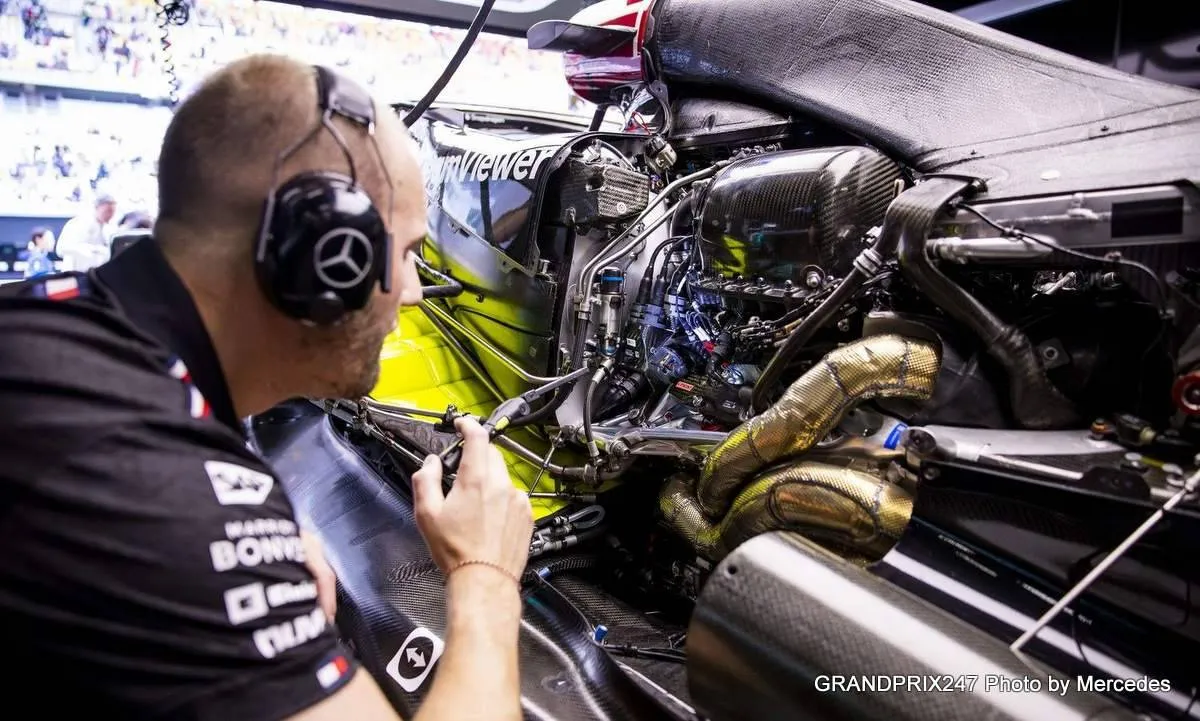
Under the proposed measures, Internal Combustion Engine (ICE) output would increase by around 50kW through higher fuel flow, while Energy Recovery System deployment would be reduced by approximately 50kW.
“The measures agreed in principle today for 2027 would see a nominal increase in Internal Combustion Engine (ICE) power by ~50kW with a fuel-flow increase and a nominal reduction of the Energy Recovery System (ERS) deployment power by ~50kW,” the FIA explained.
The move represents a substantial shift away from the original 50/50 hybrid balance introduced under the 2026 regulations.
Drivers and teams have repeatedly raised concerns over excessive battery dependency, particularly during qualifying and racing on long straights where cars have been forced into heavy harvesting phases.
The FIA said all parties supported further revisions.
“There was unanimous commitment to introduce changes which further enhanced fair and safe competition, that were intuitive for drivers and teams and were in the best interests of the sport.”
Drivers involved in latest regulation changes

The FIA also revealed that the latest proposals were developed after weeks of consultation involving teams, manufacturers and drivers.
“The final proposals presented during today's meeting are the result of a series of consultations over the past few weeks between the FIA and multi-stakeholders with invaluable input from F1 drivers,” the governing body stated.
Further discussions between technical working groups and manufacturers will now take place before the final package is approved.
“It was agreed that further detailed discussion in technical groups comprising teams and Power Unit Manufacturers was required before the final package was decided.”
The next stage will involve formal approval through a World Motor Sport Council e-vote once manufacturers complete their voting process.
The FIA also defended the original creation process behind the 2026 regulations.
It said: “The 2026 regulations were developed and agreed in close partnership between the FIA, FOM, teams, OEMs and Power Unit Manufacturers
“Today's proposals were discussed against the backdrop of this spirit of collaboration,” the statement concluded.

Latest News

Loading