Andrea Stella says power unit hardware adjustments are required to improve Formula 1
F1 NewsThursday, 07 May 2026 at 10:12
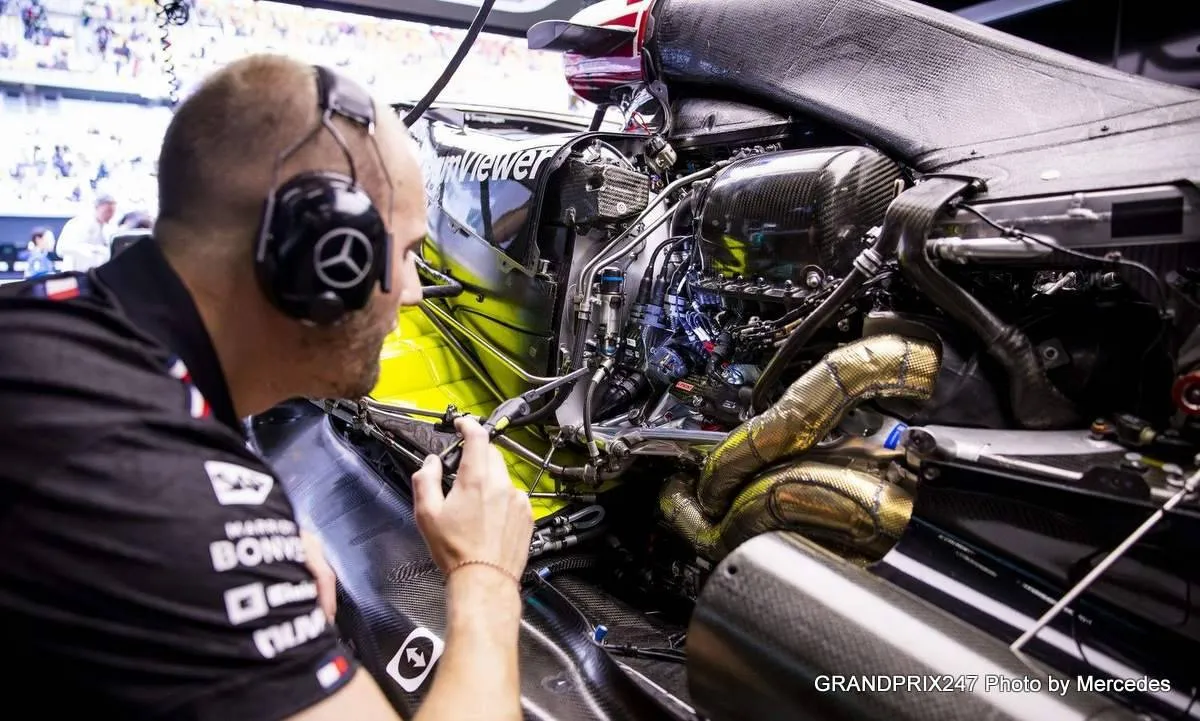
McLaren Team Principal Andrea Stella has stated the obvious, claiming radical changes to 2026 Formula 1 power units are required to improve the current situation.
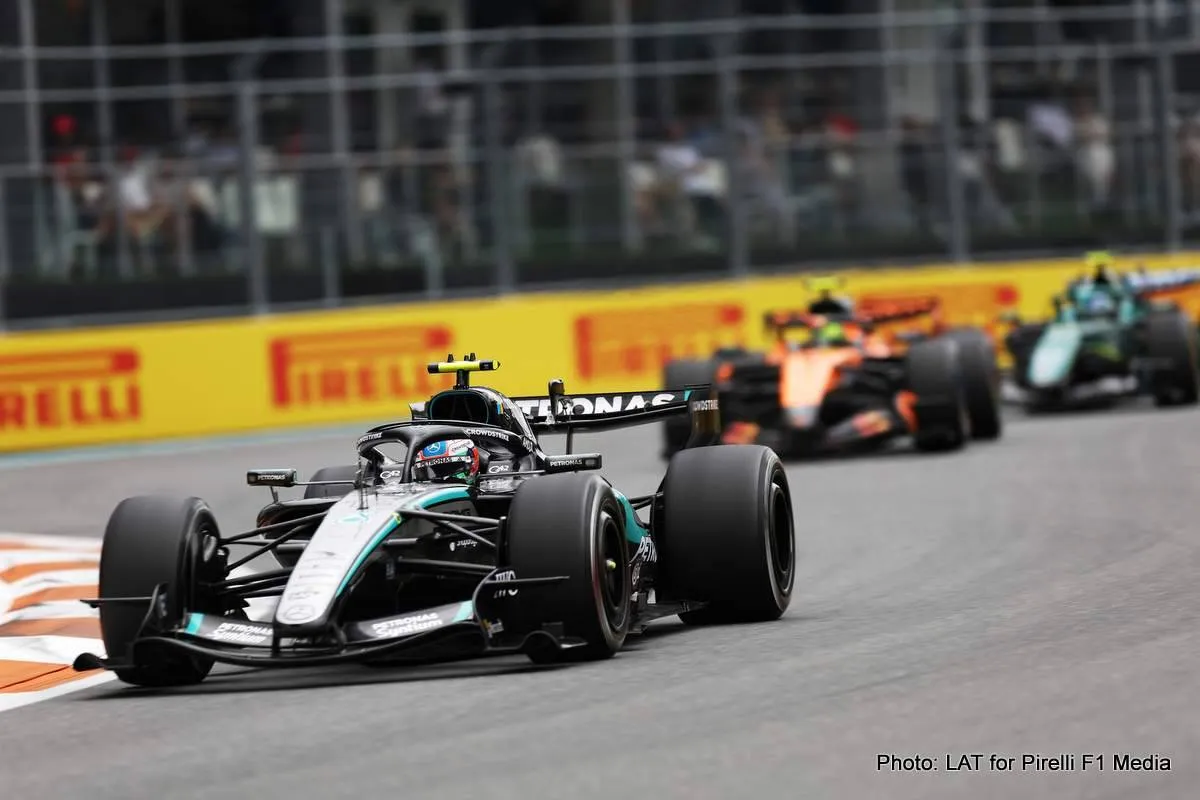
While the situation was less bad in the Miami Grand Prix following the technical tweaks the FIA and Formula One Management introduced to the power unit regulations, it was clear that a decent solution is still far from being achieved.
What happened was simply changes to algorithm parameters that govern how the current power unit works and how they manage energy through their 50-50 power delivery setup between internal combustion and electricity.
As long as the current power units are heavily reliant on electric power, the racing will remain rubbish, but any changes within the current rule set will require the extraction of more power from the Internal Combustion Engine (ICE) or making the battery bigger so it can store more energy.
Stella admitted as much while also saying that such changes cannot be applied in the short term. He said: "Hardware adjustments to the power unit in order to improve Formula 1 in general, I personally think, are required.
"They will have to do realistically with the fuel flow to increase the power from the internal combustion engine. I think they might have to do with harvesting more power than the power you actually deploy, because you spend much more time deploying electrical power rather than harvesting it.
"This can be rebalanced by harvesting to a larger power than we do today. From 350 kW, can we go to 400 kW? Can we go to 450 kW? And then I think we just need bigger batteries.
Changes difficult for 2027...

"From the perspective of power unit manufacturers, I see this is difficult for 2027 because the implication for the battery size and the implication for coping with the higher fuel flow, they are normally a longer lead time than the time available to go into the 2027 season," the Italian explained.
Even with such changes not possible for 2027, Stella believes an early decision must be taken by Formula 1's stakeholders to make sure modifications can be introduced in 2028.
He said: "I would urge that possibly this conversation needs to be finalized before the summer break to be in time to do it for 2028.
"Definitely, I would hope that that's the case, because while we have done a good job as an F1 community of looking constantly at improving the exploitation of the engine with what's available, I think we can extract more out of these regulations.
"But this will need some hardware tweak," Stella concluded. (Source: Motorsport)
Latest News
Loading