Drivers to Watch at the Indy 500: From Rookies to Race Veterans
F1 NewsThursday, 22 May 2025 at 05:36
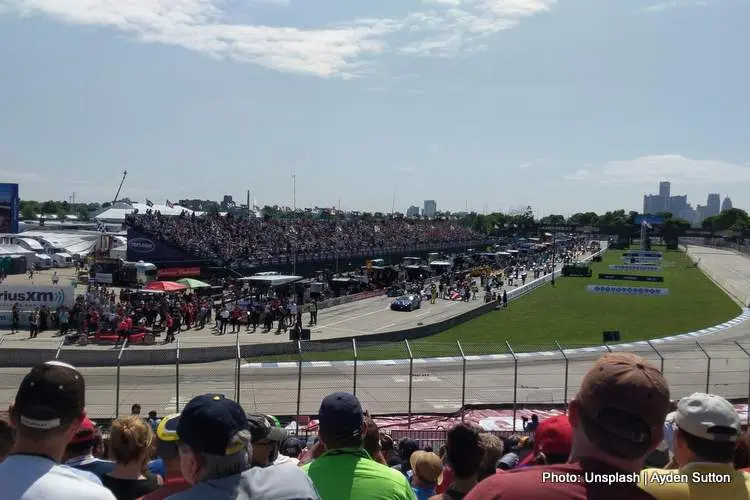
The Indy 500 isn’t just the fastest day in motorsport—it’s a high-stakes showdown of engineering precision, endurance, and mental toughness.
Drivers from across the globe gather at the iconic Brickyard, each bringing a unique mix of talent, experience, and hunger to win the Indy 500.
With legends defending their legacies and rising stars ready to make their mark, this year’s race is set to deliver edge-of-your-seat drama. Here’s a closer look at the contenders poised to shape the outcome.
The Rising Rookies Making Their Mark
This year’s rookie class brings more than just fresh faces—they bring fearless pace and technical maturity. While experience remains vital at Indianapolis, these newcomers have already proven they belong in the field of 33. Their unexpected performances have been featured prominently in the latest motorsport news, providing proof-positive that the next generation is ready to contend on racing’s biggest stage.
Robert Shwartzman: Historic Pole in His Oval Debut
Robert Shwartzman stunned the paddock with a pole-winning four-lap average of 232.790 mph in his first Indy 500 attempt. Driving for PREMA Racing, he displayed remarkable composure and consistency throughout qualifying. The 25-year-old's technical feedback and adaptability have impressed engineers and rivals alike. While the Indy race presents a vastly different challenge, his ability to stay sharp in traffic and manage fuel windows could elevate him beyond just a strong qualifier.
Jacob Abel: Missed the Grid but Proved His Mettle
Though Jacob Abel narrowly missed out during Bump Day, his pace in practice sessions turned heads. Representing Dale Coyne Racing, he pushed his equipment to its limit and proved competitive against more seasoned teammates. While he won’t be racing this year, his presence in qualifying demonstrated that future appearances may not see him consigned to underdog status.
Nolan Siegel: Quiet Confidence from the Back
Nolan Siegel, another freshman entrant, qualified deep in the field but brings considerable open-wheel experience from the junior categories. He’s earned respect for his smooth driving style and calculated risk-taking. If early cautions shuffle the pack, his calm demeanor and precision under pressure may translate into forward momentum, especially during green-flag pit cycles.
Veterans Poised for a Brickyard Statement
The Indy 500 is often where experience wins out over raw speed. These veterans have weathered chaotic restarts, fuel gambles, and late-race heartbreaks—and return with a deeper understanding of how to master the Speedway. For fans tracking driver form or casually betting based on the Indy 500 odds, the following names stand out for consistency, pedigree, and potential race-defining moments.
Scott Dixon: The Tactical Mastermind
Scott Dixon remains a fixture of strategic excellence. The six-time IndyCar champion and 2008 Indy 500 winner continues to refine his racecraft with Chip Ganassi Racing. While he starts outside the front row, Dixon’s real strength is his fuel-saving ability and timing precision during green-flag stops. A clean race with minimal yellows plays directly into his wheelhouse.
Takuma Sato: Still Aggressive, Still Dangerous
Takuma Sato qualified on the front row and shows no signs of easing his aggressive style. As a two-time Indy 500 winner, the Japanese veteran thrives under high-pressure conditions and consistently finds speed late in the race. With Rahal Letterman Lanigan Racing, he’s well-positioned to control the early pace and challenge in traffic-heavy scenarios.
Pato O’Ward: McLaren’s Weapon with a Point to Prove
While not a long-tenured veteran, Pato O’Ward has amassed enough Indy 500 experience to command respect. Driving for Arrow McLaren, he blends high-speed consistency with quick reflexes. O'Ward has narrowly missed victory in recent years, and this year’s race could be his moment. His confidence in the car setup and his knack for slicing through traffic make him a favorite among team strategists and fans alike.
Marco Andretti: Clutch Performance in Last-Chance Qualifying
Marco Andretti delivered a high-pressure lap in the Last Chance session, securing a spot on the grid after a shaky weekend. Though his recent full-time results haven’t drawn headlines, his deep understanding of the Indianapolis Motor Speedway remains an asset. Starting near the back may free him from the chaos of mid-pack traffic and allow for undercut strategies.
Strategic Wildcards Who Could Upset the Grid
Some drivers may not be obvious picks on paper, but their performance trends and situational awareness suggest they could play spoiler. These names might shape the final laps if conditions swing their way.
Colton Herta: Pit Timing Could Be the Equalizer
Colton Herta has shown flashes of brilliance on road and street circuits but has yet to deliver a full performance at the 500. With Andretti Autosport, Herta brings aggressive setups and high corner commitment, but his race-day success hinges on strategic pit windows. If the cautions fall his way, his high-commitment lines through Turn 2 may help leapfrog slower traffic.
Santino Ferrucci: A Proven Finisher at the Brickyard
Santino Ferrucci thrives at Indy more than anywhere else on the calendar. While his qualifying performances fluctuate, his ability to finish strong and avoid mid-race chaos is well-documented. He consistently brings the car home in the top ten and isn’t afraid to take calculated risks in the final 20 laps.
Factors That Could Influence Performance Beyond the Driver
No matter how talented a driver is, Indianapolis always introduces variables beyond anyone’s control. From aerodynamic setup to caution timing, several technical and strategic elements could shift the race dynamics entirely.
Aerodynamic Balance and Tire Degradation
The updated aero package for 2025 has introduced subtle shifts in how cars behave in the draft. Drivers report lighter steering under load, which places increased responsibility on teams to optimize front-wing settings during stops. Those who adapt early—especially with rear tire conservation—will benefit in late-race stints where overtaking becomes most difficult.
Caution Timing and Pit Strategy
History shows that Indy 500s often hinge on the timing of late cautions. Teams now simulate multiple race scenarios in practice sessions, adjusting their pit targets based on green-flag projections. Drivers like Dixon and Sato excel here, often gaining track position by stretching fuel windows or short-pitting just before a yellow.
Who’s Really in Control at Indy?
No single factor dictates success at the Indy 500. While talent is essential, race-day outcomes often depend on small details—pit-lane discipline, real-time adjustments, and how drivers manage energy over four grueling hours.
With rookies like Robert Shwartzman bringing fearless pace and veterans like Scott Dixon anchoring their strategies in data and endurance, this year's race could come down to execution over excitement. For those watching closely, it's not just about who crosses the bricks first—but how they got there.
Latest News

Loading