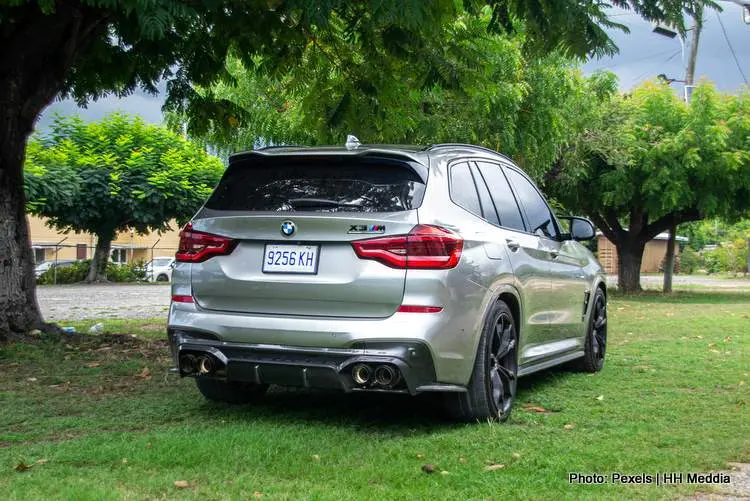
The pursuit of purchasing a used car can often feel daunting, yet when approached with care and diligence, it can yield immensely rewarding outcomes.
Driving a used car significantly reduces depreciation losses and opens up opportunities to invest in a higher-quality model for the same price as a lesser new car. By carefully considering various factors like budget, reliability, and resale value, savvy shoppers can turn what might seem like a risky endeavor into a smart financial decision.
Establishing a clear plan and knowing what to look for can lead to discovering hidden gems in the used car market.
Understanding Your Budget
Before diving headfirst into the used car market, it is crucial to have a comprehensive understanding of your budget. Setting a realistic spending limit helps prevent overspending and keeps the purchasing process aligned with your financial goals. Take into account the initial purchase price and ongoing costs such as insurance, maintenance, and fuel efficiency. With careful budgeting, you're more likely to leave room for unexpected expenses or necessary upgrades, enhancing the longevity of your investment.
it is important to include funding sources in your analysis. Whether you plan to use savings, a loan, or financing from a dealership, understanding how each plays into your final cost structure will enable you to negotiate effectively. With a clear budget in mind, you can sift through various options without feeling overwhelmed, leading to a smoother shopping experience.
Choosing the Right Model
Choosing the right used vehicle requires thoughtful consideration. Factors such as your driving habits, family size, and specific needs influenced by lifestyle should guide your model selection. If you require ample space for family trips or outdoor adventures, looking for Dodge Durango used deals would be an intelligent move. This versatile vehicle offers a generous seating arrangement and abundant cargo room, making it suitable for diverse activities.
Researching various vehicle models allows buyers to evaluate reliability and average resale values. Certain brands are often associated with higher durability and lower maintenance costs. An informed customer is a savvy customer, and understanding which models often yield the best value will enhance your negotiation position with dealers. The more you know about the average lifespan and maintenance patterns of specific models, the better prepared you will feel throughout the buying process.
Acquiring a Vehicle History Report

An essential step in securing a used car is to acquire a vehicle history report. This document provides crucial insights into the car's past, including any incidents of accidents, title issues, or service records.
Using a VIN decoder beforehand can also help verify the vehicle’s specifications, manufacturing details, and authenticity by analyzing its unique identification number.
The transparency that comes with a detailed report can either reinforce your decision or serve as a red flag for potential problems ahead. Not all used cars are created equal, and some may carry burdensome histories that render them less valuable than they appear.
Many reputable services offer vehicle history reports, and they are a small investment when compared to the potential costs associated with undisclosed issues. Understanding accident history or significant repairs can give you insight into what future repairs might be necessary, allowing you to budget accordingly. With a solid background understanding, you can make more informed decisions, lowering the risk of regret after the purchase.
Negotiating a Fair Price
With your research in hand, it's time to negotiate effectively. Knowledge is power in the used car market, and being able to cite industry standards, recent sales, or excellent vehicle condition can bolster your bargaining position. When initiating negotiations, remain calm and composed, being prepared to walk away if the terms aren’t favorable. A confident demeanor often results in more concessions from the seller.
Knowing the fair market value of the vehicle provides leverage in discussions. If you’ve identified the model you’re interested in, but the asking price seems to be inflated, present your findings along with evidence from similar cars in the area. Negotiation can lead to a lower price, extra features, or an extended warranty, all contributing to an even more positive shopping experience.
Test Driving and Inspecting the Vehicle
One of the most critical steps in the used car purchasing process is the test drive. This experience allows you to assess the vehicle's comfort, handling, and performance directly. Pay attention to any unusual noises or indicators that could suggest underlying issues. Test driving multiple vehicles can provide important comparative insights, helping you determine what feels right for you.
Consider bringing a trusted mechanic along for a pre-purchase inspection. This professional assessment can unearth hidden problems that may not be obvious during a routine examination. Investing in a thorough inspection can ultimately save you from significant repair bills down the line. Being proactive about such evaluations fosters confidence in your purchase and can enhance your satisfaction with the vehicle.
Careful used car shopping can lead to positive outcomes that extend beyond mere financial savings. Armed with a solid understanding of your budget, thorough research on models, and the importance of historical documentation, you can navigate the complexities of buying a used vehicle with clarity and purpose. An informed decision will yield a vehicle that enhances your driving experience, paving the way for future adventures on the road.
Latest News










Loading