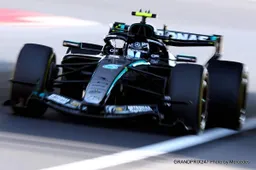
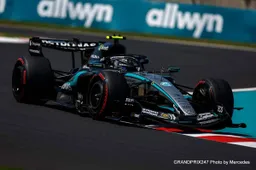
Dan Ticktum says Formula 1 risks identity crisis as unpopular new era engine rules backfire
F1 NewsSaturday, 28 March 2026 at 05:29
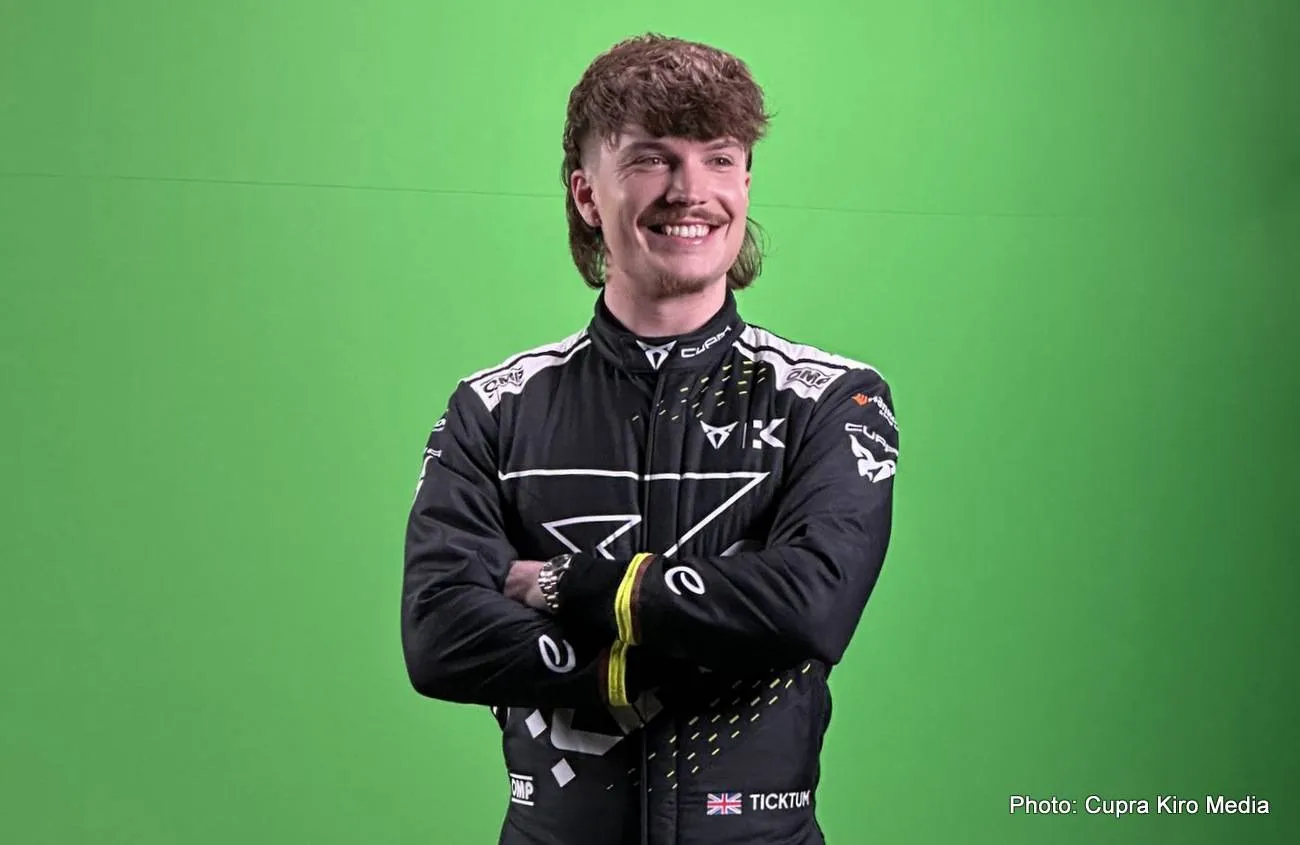
Formula E driver Dan Ticktum has questioned the direction of Formula 1 as the sport moves deeper into its new electrified rabbit hole, warning the pinnacle of the sport risks losing its core identity.
Outspoken and often controversial, Ticktum weighed in on the state of Formula 1 in the wake of Max Verstappen likening the new era of overly complex cars to "Formula E on steroids" while claiming they are "anti-racing" and with it kicking the hornet's nest.
The Formula E driver for the Cupra Kiro team believes the growing overlap between the two series could leave Formula 1 stuck in an uncomfortable middle ground that satisfies neither traditional fans nor new audiences.
Formula 1’s latest regulations shift the power unit balance from 80/20 to a 50/50 split between internal combustion and electrical energy, forcing drivers to constantly manage harvesting and deployment through both qualifying and races.
Speaking to reporters after the recent Madrid E-Prix, Ticktum now adds his voice to that growing concern, questioning whether Formula 1’s current trajectory aligns with what fans actually want from the sport.
Speaking bluntly, he outlined his view: “If I’m being brutally honest, but I think F1 – it should be a sport. So what do people want to see from a sport? What do petrolheads want to see? They want to see a massive, great V12 screaming, and maybe not so much downforce, but massive cars that are a bit more difficult to drive.”
Electrification blurs the line with Formula E

Ticktum then addressed the current compromise in Formula 1’s identity: “I don’t know what people want to see, but I’d say largely that. So when you’re in this middle ground, I don’t feel like you please anyone, really.”
He acknowledged the long term transition the sport is undergoing: “Obviously, there is a transition period, and we knew it was going to take a couple of slash several decades.”
The debate comes as Formula 1 continues its push toward sustainability, with increased electrification forming a central pillar of its future technical direction.
However, that evolution has also created an unintended comparison with Formula E, a series built entirely around electric racing.
Ticktum believes the growth of Formula E should allow both championships to clearly define their identities, rather than converge: “Who knows where F1 will end up? But I think with FE, the more that grows and the more that becomes prominent, personally, as a lover of the sport, I’d like to see F1 go back the other way.”
Ticktum then outlined his ideal vision for Formula 1: “I’d like it to be, ‘here’s the sport, which is just about pleasure and enjoyment and engines and fuel and all the rest of it’. I don’t know if that’s going to die out. Who knows?”
Push for V8 return realistic?

Ticktum’s stance mirrors ongoing discussions within the FIA, where president Mohammed Ben Sulayem has publicly supported a return to simpler internal combustion engines, potentially V8s, combined with sustainable fuels and a reduced hybrid component.
The argument centres on cost reduction, improved sound, and lighter cars, while maintaining environmental responsibility through advanced fuel technology.
Ticktum strongly backed that direction, arguing it would better serve both the spectacle and the racing itself: “But I’d like it to be one and the other [a difference between F1 and FE]. Because no one likes the noise of a 1.6 litre four cylinder or V6, no one likes it.”
He then pointed to the impact of hybrid systems on car weight and driving characteristics: “And then you’ve got this bit of electric stuff which adds a load of weight to the cars. Strip all that out.”
Ticktum concluded with a clear proposal for the sport’s future: “Even put a V8 in it, run it on sustainable fuels, good noise, car’s 200 kilos lighter. You’ve got a much better sport, in my opinion.”
With Formula 1’s new era still in its early phase, the debate over its identity, technological direction, and fan appeal is only intensifying, as voices from both inside and outside the paddock question whether the sport has struck the right balance.


Latest News
Loading