Honda boss admits Aston Martin struggles due to new Formula 1 power unit challenges and bad timing
F1 Teams NewsFriday, 27 March 2026 at 13:20
Aston Martin’s difficult start to the 2026 Formula 1 season has already been framed internally as a Honda problem, but Koji Watanabe outlined a more complex reality behind the scenes.
Aston Martin have pointed to Honda “dropping the ball” as reliability and performance issues undermined their early campaign. But speaking at Suzuka, Honda Racing Corporation president made clear the roots of the problem lie in timing, organisation and integration under the new regulations.
Watanabe told reporters: “We are starting a new season with Aston Martin Aramco and, as you know, we are struggling in on-track performance at this moment. I believe that there are several reasons. The first one is that, yes, of course, the new power regulation is quite challenging for us.
"The second one is that we stopped the Formula 1 activities at the end of 2021 and announced to return to Formula 1 in 2023, so there is a period during which our Formula 1 activity was quite limited.”
That gap has proven critical in a regulation cycle where every kilometre of development matters. Watanabe admitted Honda effectively started behind its rivals: “It also took a bit of time for us to rebuild the organisation to restart Formula 1 development.”
That context aligns with Aston Martin’s early frustrations, where on-track performance has lagged despite high expectations and major investment. The team’s complaints about Honda reflect the visible outcome, but Watanabe’s explanation points to a structural delay rather than a simple failure: “But now we are working closely with Aston Martin Aramco, not only in the technical area but also overall area, how we can build a strong partnership together with them.
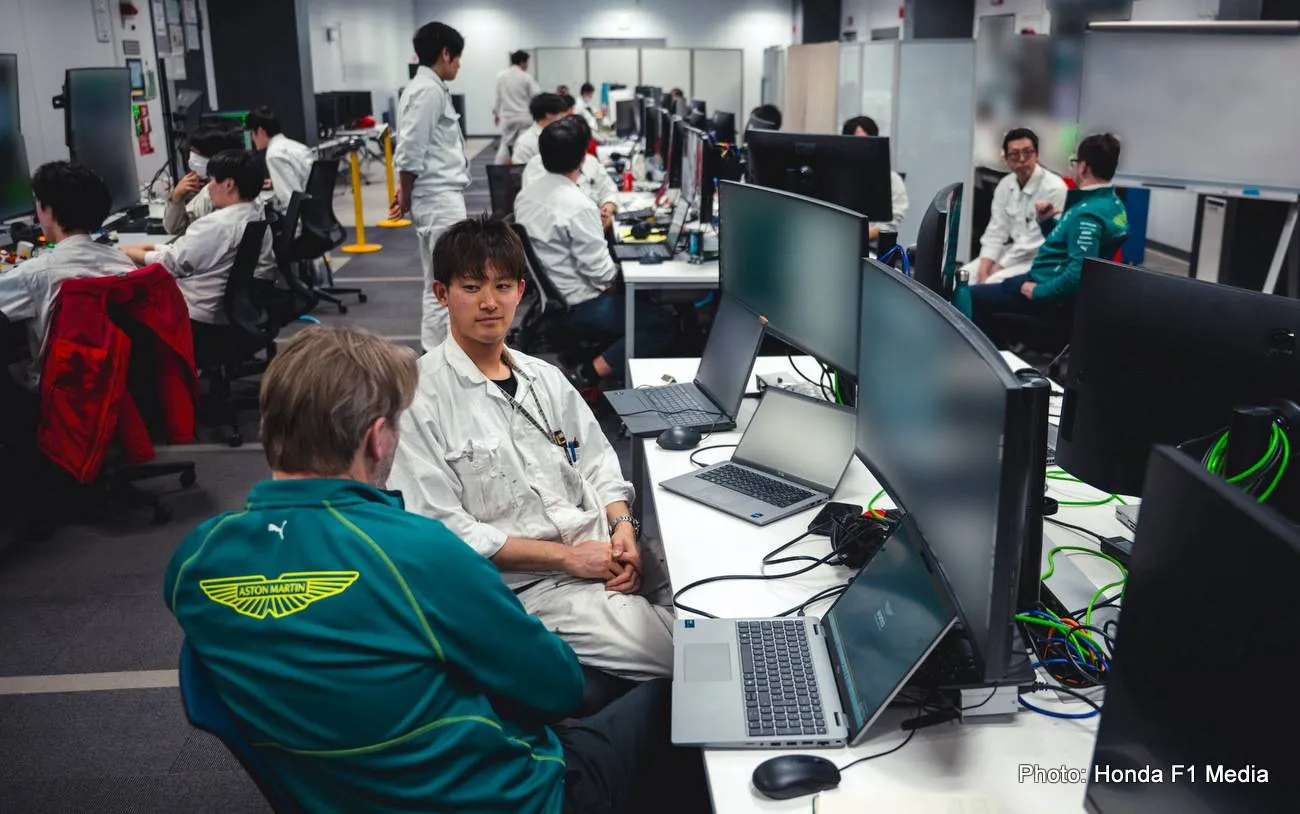
“So, Aston Martin Aramco and Honda is not only just F1 constructor and power manufacturer, but also, we are working closely as one team. Actually, in our facility in Japan, the engineers from Aston Martin Aramco are really working hard closely with our engineers in Sakura, working together," insisted Watanabe.
Vibration issue exposes integration weakness

Beyond the broader development delay, Honda’s most visible weakness has been a vibration issue affecting the power unit once installed in the car.
Watanabe revealed: “At this moment, we are focused on how we can improve the situation of vibration, mainly damage to battery area, but also this time for Suzuka we have improved energy management situation for more driving performance.
“Also, in the test on the dyno, the vibration is at an acceptable level, but once we integrate in the actual chassis, that vibration is getting much more than the test on the dyno.”
That admission is key. It underlines that the problem is not purely Honda’s, but a system-level integration issue between the power unit and chassis.
Watanabe explained: “So, of course, only PU cannot solve the problem, only the PU, so we are really closely together with Aston Martin Aramco to solve the problem, not only the power unit but also together with the chassis.”
Even as Honda works to stabilise reliability, the pathway to performance gains remains constrained by the regulations. Watanabe said: “It’s quite difficult to say, but at least we need to improve not only the reliability but also the performance. Under current regulations, it’s difficult to improve the performance itself, so currently we are focused on how to improve the reliability and also, within the rule, we have to improve the performance.”
Newey link dismissed as a misunderstanding

That reality raises serious questions for Aston Martin’s short-term competitiveness. With limited room to unlock performance, the focus remains on making the current package function correctly before chasing outright pace.
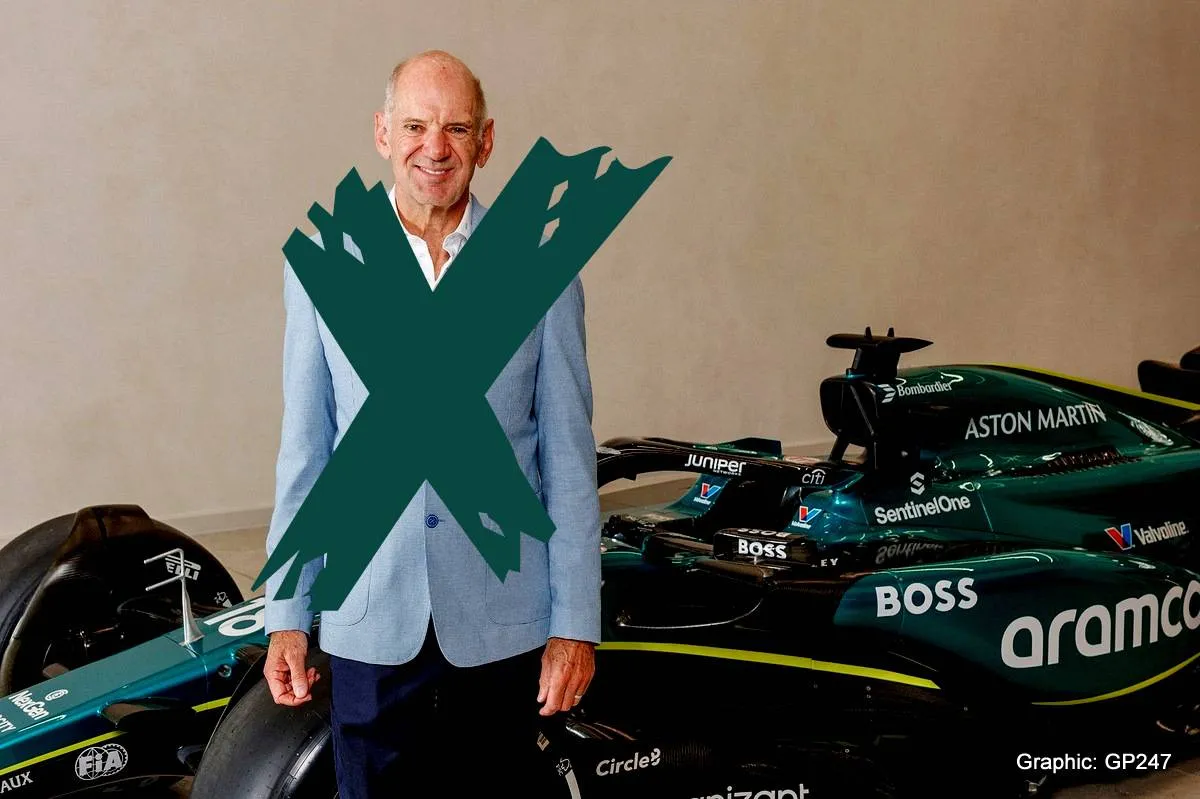
Speculation around Adrian Newey’s late involvement in the project has also surfaced as a potential factor. Watanabe dismissed that narrative: “Yes, basically, I think that it’s a misunderstanding. Basically, our policy is to rotate the engineers of the motorsport regularly to mass production or more advanced technologies like jet or eVTOL or hydrology or something like that.”
“Also, of course, as I said, to rebuild the organisation took a bit of time, so that was his worry, I think. But now we have sufficient organisation and talent.”
Watanabe also insisted there are no concerns about alignment at leadership level: “The relationship between Aston Martin Aramco and Honda is quite good. So, between the actual development team, like in the case of Honda, [Tetsushi] Kakuda is the project leader of the power unit, and also Enrico-san on the Aston Martin side, they closely work together.”
For now, Honda’s approach is pragmatic rather than ambitious. The immediate goal is stabilisation, not transformation. Watanabe concluded: “So, I think most important is that we can keep moving forward step by step.”
That is the reality facing Aston Martin. The blame game may have started, but the solution will require both sides to fix a problem that is clearly shared.
(Reporting by Agnes Carlier from Suzuka)
(Reporting by Agnes Carlier from Suzuka)

Latest News
Loading