Can Mercedes' dominance of Formula 1 in 2026 be compared to 2014?
F1 NewsSunday, 22 March 2026 at 08:00
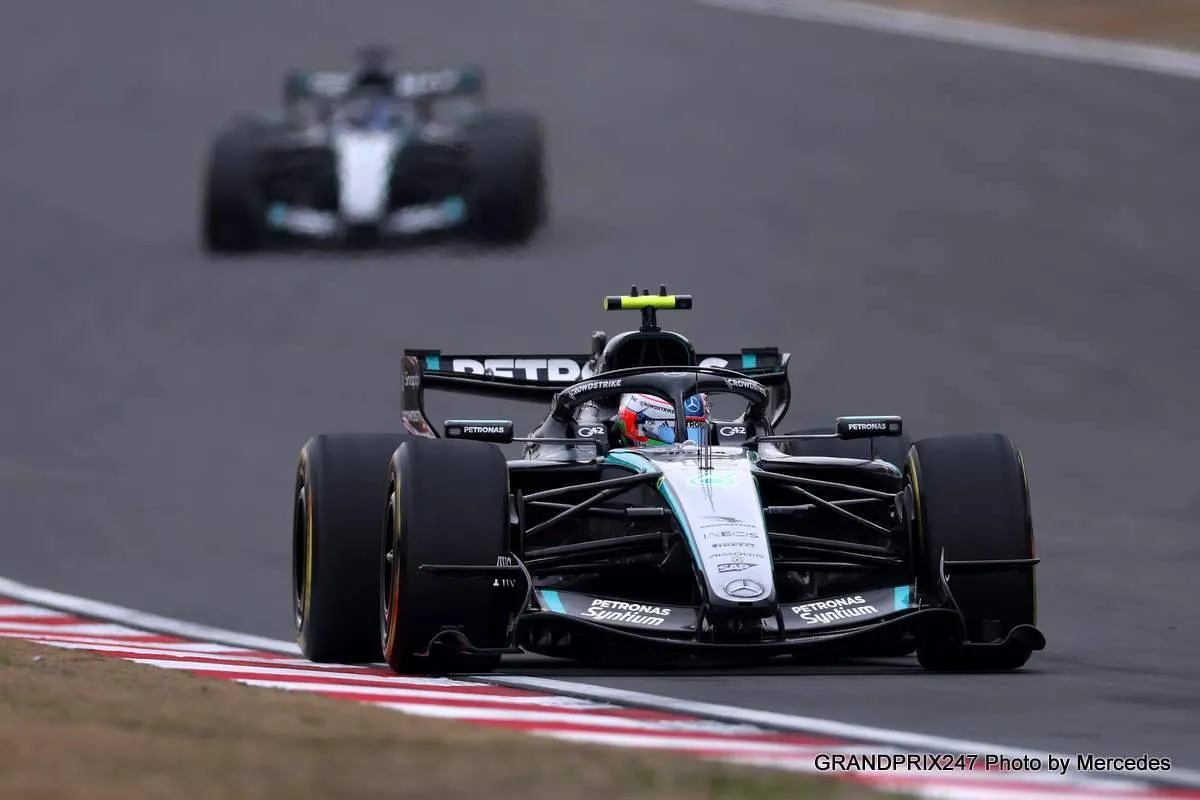
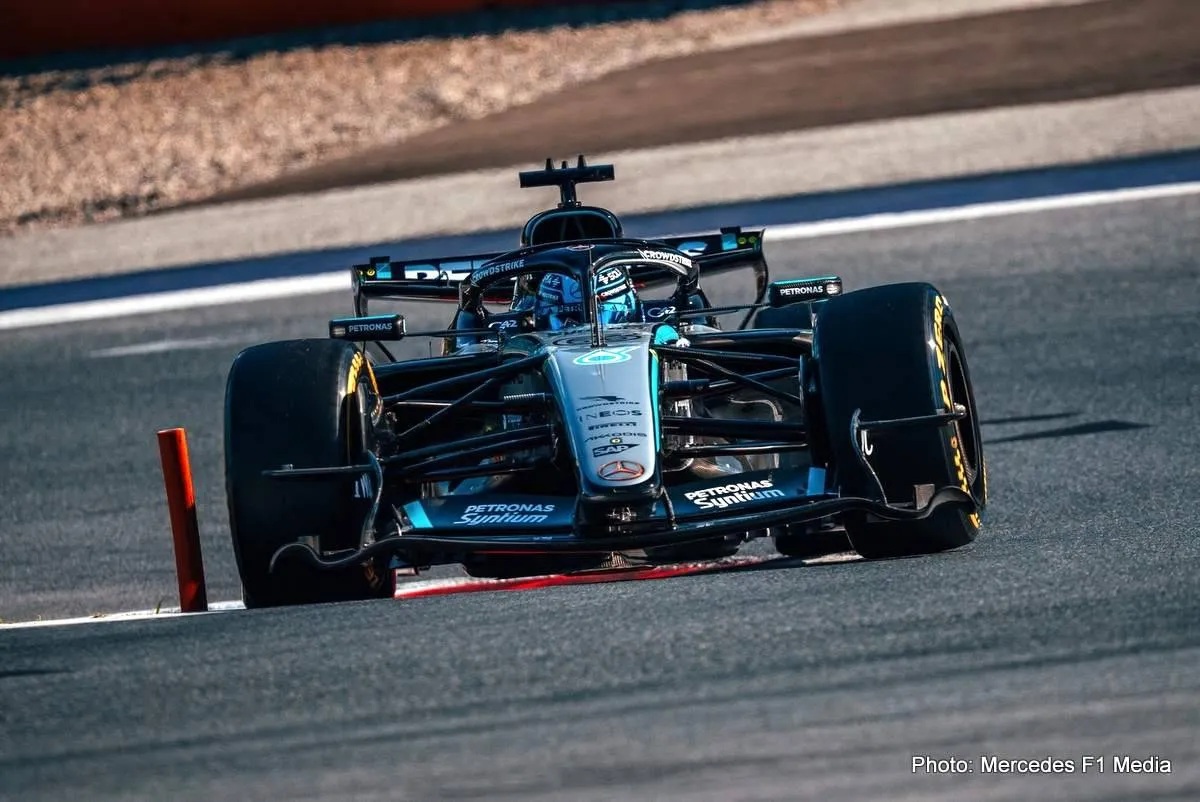
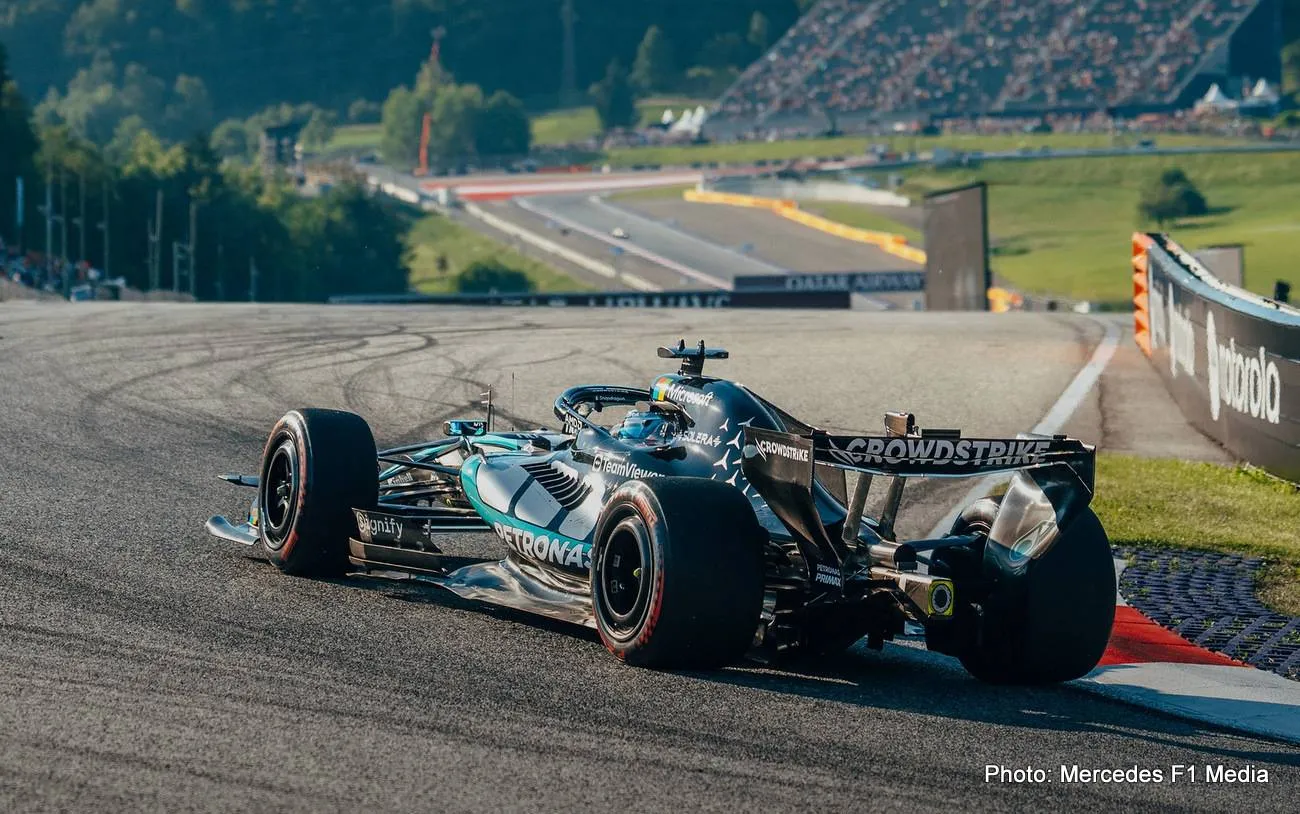
Mercedes have shown up to the 2026 Formula 1 season with the best package designed to the new regulations, as their W17 has proven so far to be the car to beat.
Mercedes have once again been the best team to have interpreted the new-for-2026 regulations, much like they did in 2014 when they produced the best power unit and chassis and went on to dominate the sport until 2021 when Max Verstappen managed to beat Lewis Hamilton to the Drivers' Title while Mercedes retained their Constructors' Championship.
Following four barren years failing to deliver a decent ground-effect car, Mercedes have bounced back, but is their dominance this time comparable to that of 2014?
"Well, it's a dominance, but it's not huge," former F1 driver and 1997 Champion Jacques Villeneuve reckons. "It's not like 2014, where there was more than a second and they still had boost to pump up. And other cars have the Mercedes engine as well.
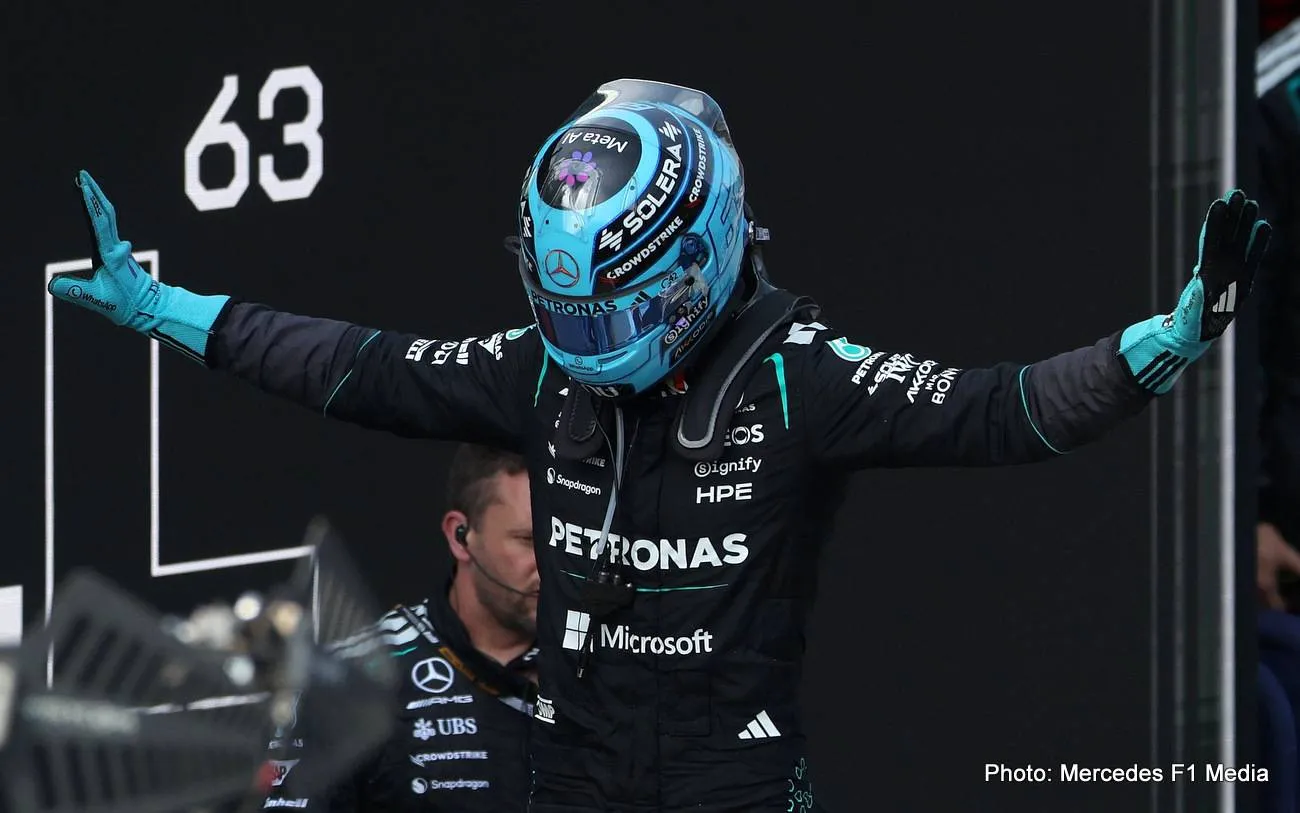
"It's just that they seem to have designed a car that is easy to drive, that is well-balanced. If you look at Russell, he's not even breaking a sweat. It's just like a drive in the park.
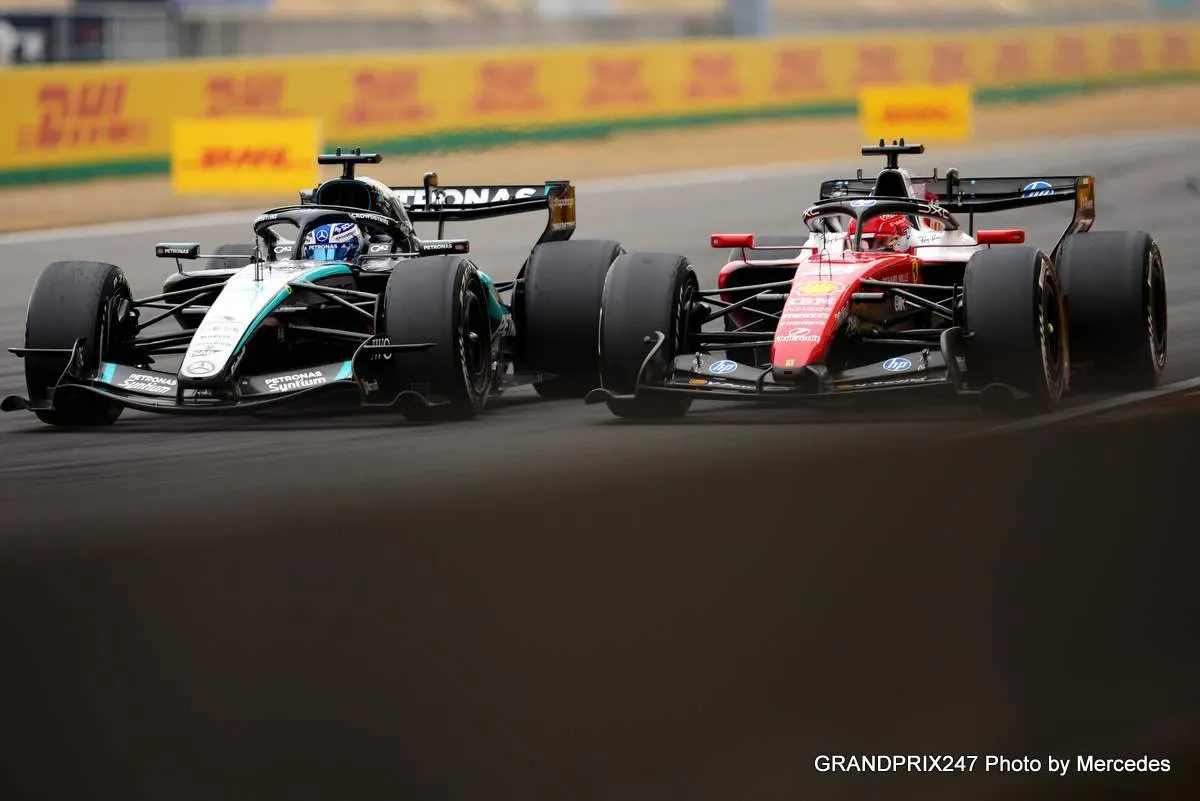
"He still has a little gap to go, and that's what allows him to be easily hit, to not destroy his tyres. The other teams will figure a way to manage their energy better. But if you look at the races, the two Ferrari drivers have had better racecraft.
"Look at the first few laps. They figured out in the moment how to use their energy, and they bring the fight to Russell. That's been fun and impressive," Villeneuve concluded.
Mercedes have been in the midst of a controversy regarding the compression ratio of their Internal Combustion Engine, which seemed to stick to regulations when tested in ambient temperature—the old test procedure—before increasing in running conditions, giving the team an advantage.
The rules have now been changed with the testing of the compression done at 130°C, which will be effective from July 1, as it remains to be seen how that affects Mercedes' performance. (Source: Sky Sports Germany)
Latest News


Loading