FIA announces changes in Formula 1 engine compression measurement from July 2026
F1 NewsSaturday, 28 February 2026 at 15:59

The FIA and Formula 1 power unit manufacturers have reached a compromise solution to tackle an engine controversy that had threatened to overshadow next week's start of the season in Australia.
The sport is entering a new era with the biggest changes in decades to the engine and chassis regulations.
Engine compression ratios have been a major talking point, with Mercedes suspected of exploiting a loophole to gain performance through the thermal expansion of components and talk of possible protests after the Melbourne race.
Mercedes have said any change will make no difference to them.
The governing FIA said in a statement on Saturday that amendments to the 2026 Formula 1 regulations had been approved unanimously by an e-vote of its World Motor Sport Council.
The statement said: "A significant effort has been invested in finding a solution to the topic of the compression ratio.
"The FIA has worked to find a compromise solution which determines that the compression ratio will be controlled in both hot and cold conditions from 1 June 2026 and subsequently only in the operating conditions...from 2027 onwards."
The governing body had initially proposed voting on compliance "not only at ambient conditions but also at a representative operating temperature of 130 degrees Celsius" from August 1.
An August date would have covered more than half the 24-race season before any change was implemented.
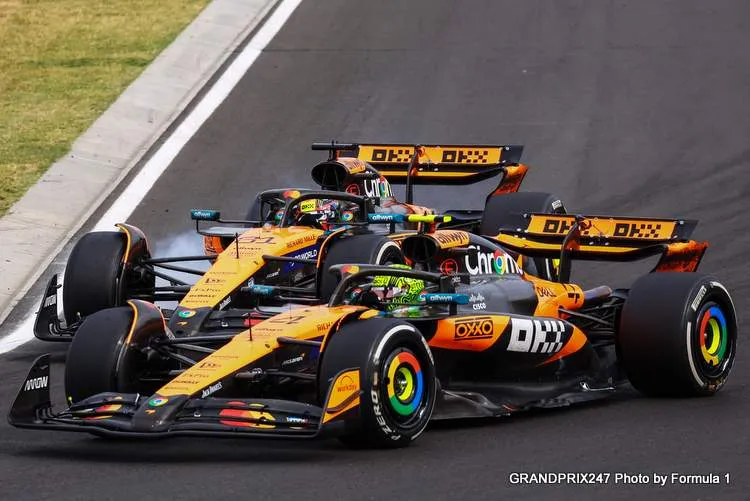
Mercedes supply their V6 engines to four of the 11 teams - champions McLaren as well as their own works team, Williams and Renault-owned Alpine.
The remaining manufacturers are Red Bull, who are now making their own engines and supply sister team Racing Bulls, Audi, Honda (Aston Martin) and Ferrari - who also supply Haas and newcomers Cadillac.
The compression ratio of the engines is limited in the regulations to 16:1, measured in cold conditions.
While all engines comply with that measurement, Mercedes are suspected of having gained a significant advantage by finding a way to expand the ratio when the engine is running hot.
The FIA said: "The regulations introduced for 2026 represent one of the biggest changes in recent memory.
"All parties acknowledge that with the introduction of such significant regulatory changes, there are collective learnings to be taken from pre-season testing and the initial rounds of the 2026 championship.
"Further evaluation and technical checks on energy management matters are ongoing."
The FIA said additional amendments to the sporting and financial regulations were also approved.
Those changes include the mandatory two pit stops for the Monaco Grand Prix which will not apply in 2026.
The gap between Q2 and Q3 in qualifying is reduced from 8 to 7 minutes while Q3 will now be 13 minutes instead of 12.
(Reporting by Alan Baldwin, Additional Reporting by GrandPrix247)

Latest News




Loading