Fred Vasseur not convinced new Formula 1 engine compression test will be a gamechanger
F1 NewsThursday, 19 March 2026 at 07:30
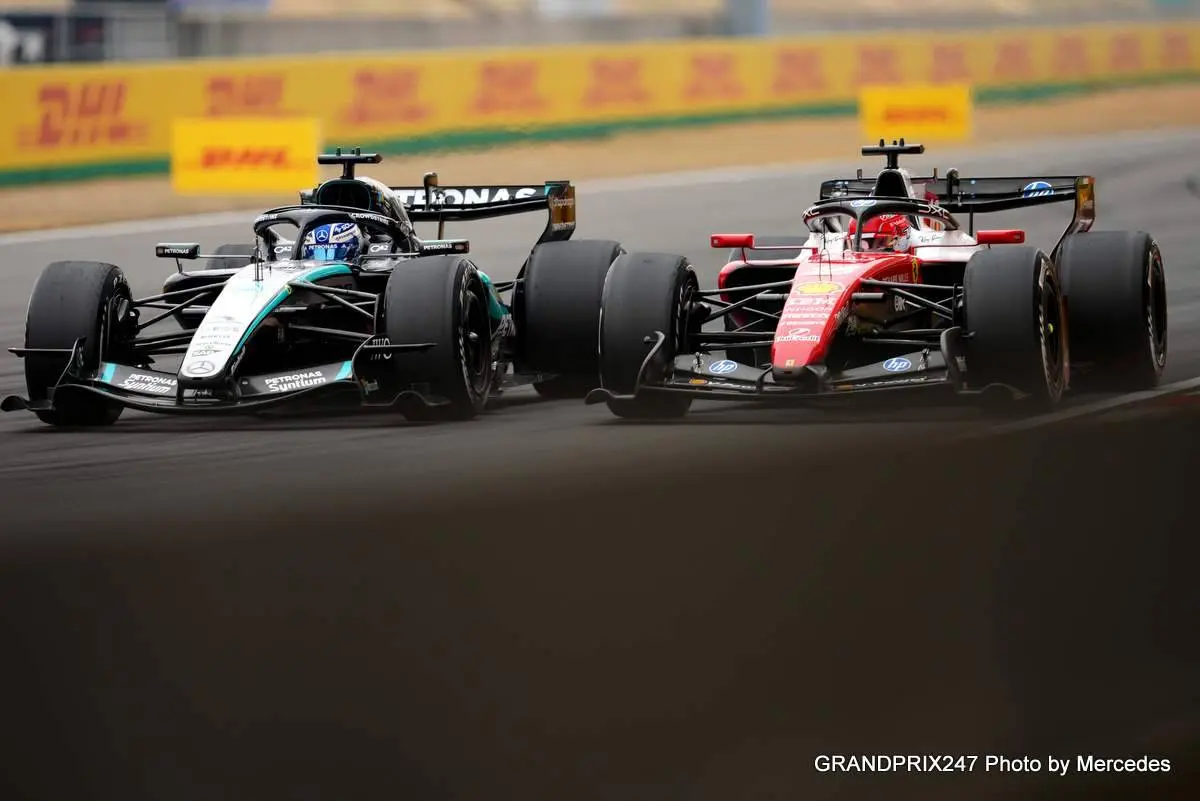
The whole Formula 1 grid was blindsided by Mercedes' engine compression ratio trick and pushed for a change in testing procedure, which was approved and will be effective from June 1.
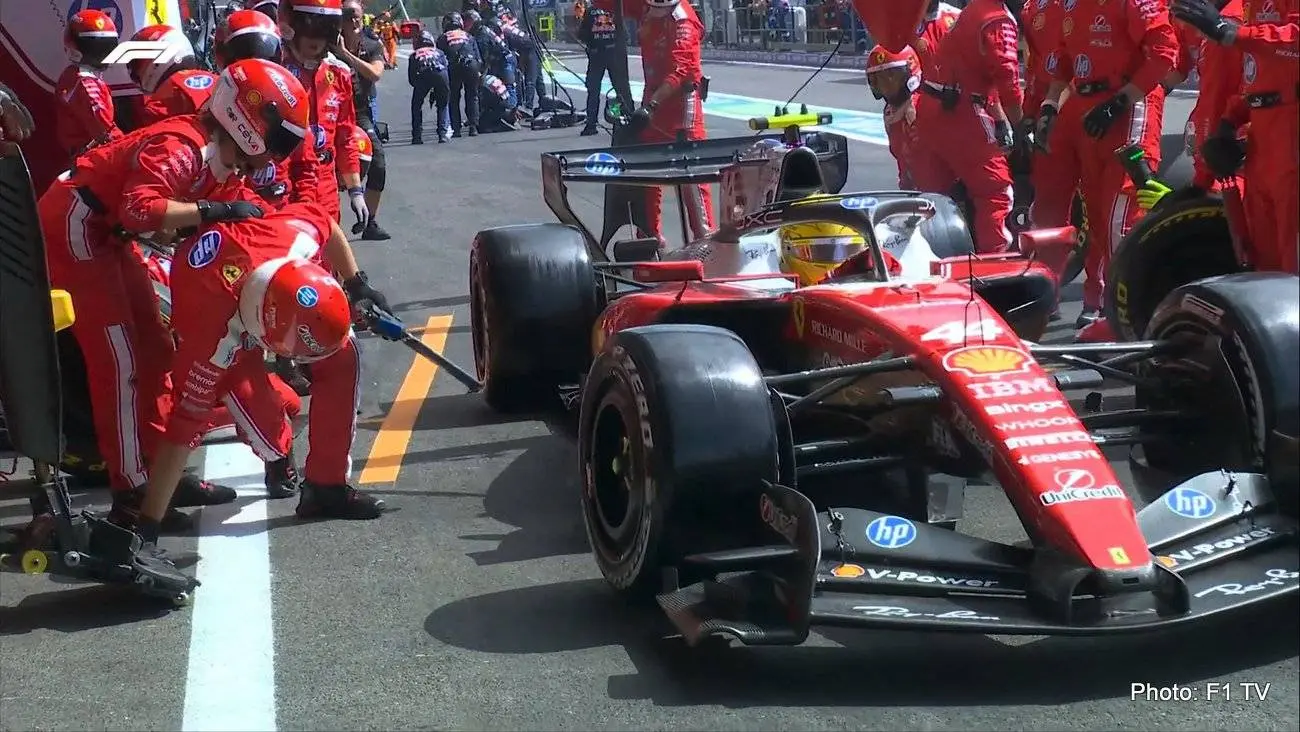
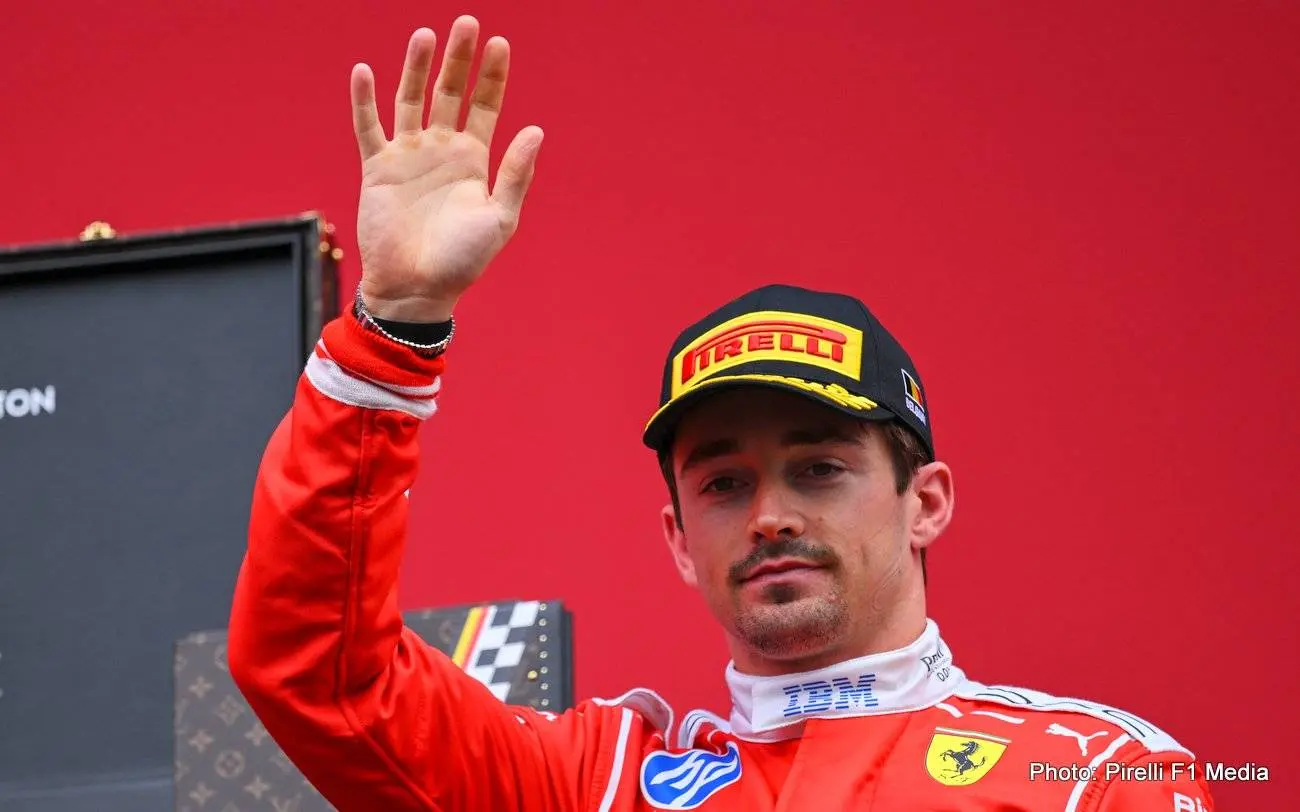
However, Ferrari boss Fred Vasseur, whose team has emerged as Mercedes' closest challenger, is not counting much on the new compression ratio measurement procedure to help the Red Cars get closer to the Mercs.
Instead, the Frenchman believes that developing the Ferrari power unit will be the best way to close the gap to the mighty Mercedes through the Additional Development and Upgrade Opportunities (ADUO).
This rule allows manufacturers that are at least two percent behind the leading manufacturer in terms of internal combustion engine performance development opportunities for 2026 and 2027.
The ADUO assessment is done every six rounds, which means the first will be done after the Monaco Grand Prix, which became the sixth round with the cancellation of the Bahrain and Saudi Arabian Grands Prix.
Vasseur said in Shanghai over the Chinese Grand Prix weekend: "I'm not convinced that the new compression ratio rule will be a gamechanger.
"It's more that you will have the ADUO at one stage, and the introduction of the ADUO will be an opportunity for us to close the gap, but once again, it's not just about pure performance.
"I think you have a lot in the energy management, a lot in the chassis, and it would be a mistake from our side to be just focused on one parameter," he warned.
Analyzing Ferrari's deficit to Mercedes, the Frenchman added: "We know that we have a deficit of performance, mainly in the straight line. We have to work on it.
"We are improving because we were eight tenths off in Melbourne, six tenths on Friday in China, four tenths on Saturday.
"Step by step we are understanding a bit more the situation and closing the gap, but they are still far away. It's not just about the engine. We have to work everywhere. We have to improve on the chassis and the tyres like always.
"Racing didn't change. All the components of the performance are still on the table, and we don't have to be focused only on one parameter, but it's a challenge," Vasseur concluded. (Reporting by Agnes Carlier)
Latest News
Loading