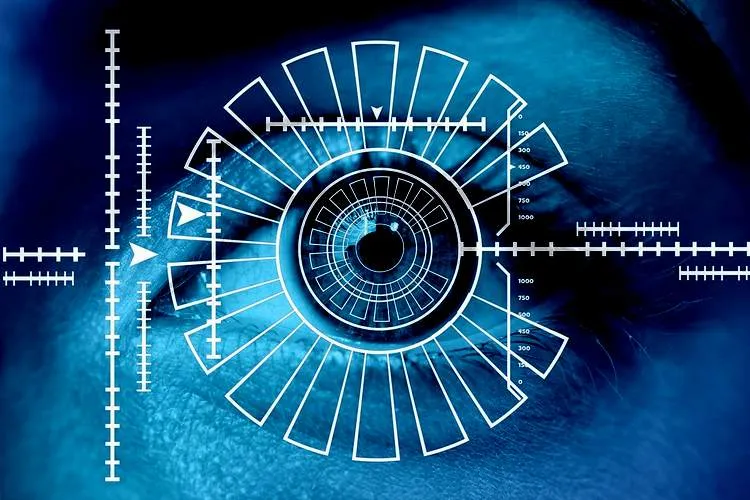
Facial recognition, Iris recognition, and fingerprint scanning are popular biometric identifiers. Read how they work in this guide to internet security.
There are many biometric identification technologies on online platforms. However, they are broadly categorized under two: physical and behavioral biometrics. Under these two groups are many other forms that vary from one digital platform to another. Yet, despite the variation, they all serve one goal; to make accessing services online more secure. Moreover, their functionality is the same; they measure and scrutinize unique features inherent to a specific person.
Due to these reasons, physical documents are slowly becoming a thing of the past and are being replaced by biometric identification. Many digital platforms like Basaribet casino giriş are embracing the use of biometric technologies to streamline their services. In this article, you will learn about the common biometric technologies used in online platforms.
Facial Recognition
Facial recognition is a way of confirming or identifying your identity using your face. The systems behind facial recognition can identify you using videos, photos, or real time data collected via your device's camera. However, while using it for security purposes, online platforms require real-time data for verification hence the need to scan your face.
Facial recognition software reads the geometry of your face and uses key factors for identity verification. These factors include the depth of your eye sockets, the distance between your eyes, the contour of your chin, ears, and lips, and the distance from your chin to your forehead. If a match is found, access is granted to your account or whatever service you were accessing.
Iris Recognition Technology
Iris recognition technology verifies a person's identity based on the unique patterns on their iris. The iris is the coloured section of every human's eye surrounding the pupil. Iris recognition is different from retina scanning as it depends on the high-resolution images of the iris rather than the retina to complete the biometric verification.
The iris verification process is completed in two phases: capturing and storing the image for future reference then using the stored images to verify the identity. Below is a step-by-step procedure for completing biometric verification using your iris.
- You must look into the scanner, which captures the image of your iris. Special scanners and cameras are used for this purpose.
- The images are then converted into a digital template and stored for future reference.
- Whenever you want to verify your ID, a new image of your iris is captured and compared to the stored templates. Pattern-matching algorithms are used for this procedure.
- If there is enough of a match, your identity is verified, and access to your account is granted.
Fingerprint Scanners
Everyone is born with unique fingerprints. They are usually formed during the embryonic stage of human development and remain unchanged throughout your life. In fact, no two people have the same set of fingerprints – even identical twins. This is why, like iris, fingerprints are used as a method of biometric identification. However, unlike the two that can be interfered with, fingerprint biometric verification is more secure and reliable.
Fingerprint biometrics work in the same way as iris scanners. Here's a step-by-step procedure detailing how fingerprint biometrics work.
- The scanner captures your fingerprint and converts it from physical to digital format
- The automated scanning system will then process the digital image by extracting unique features and storing them.
- When you are ready to use the service, the facial recognition system will match the template against the stored ID to complete the verification process.
The type of scanner the online platform uses varies depending on the business model, durability, cost, and accuracy. However, the most common ones include thermal, ultrasonic, capacitive, and optical.
Conclusion
With its advanced and unique capabilities, biometric identification is leading the way in terms of online security and safety. Each option listed on this page has disadvantages and advantages, but you can be certain that they are all safer than your ordinary password.
This is why it's highly encouraged that you analyze each option and pick one that suits your needs. This is a special report for our Formula 1 readers and F1 fans interested in biometric identification
Latest News











Loading