Honda wary of Austrian Grand Prix altitude challenge as power unit deficit looms
F1 NewsTuesday, 23 June 2026 at 12:04
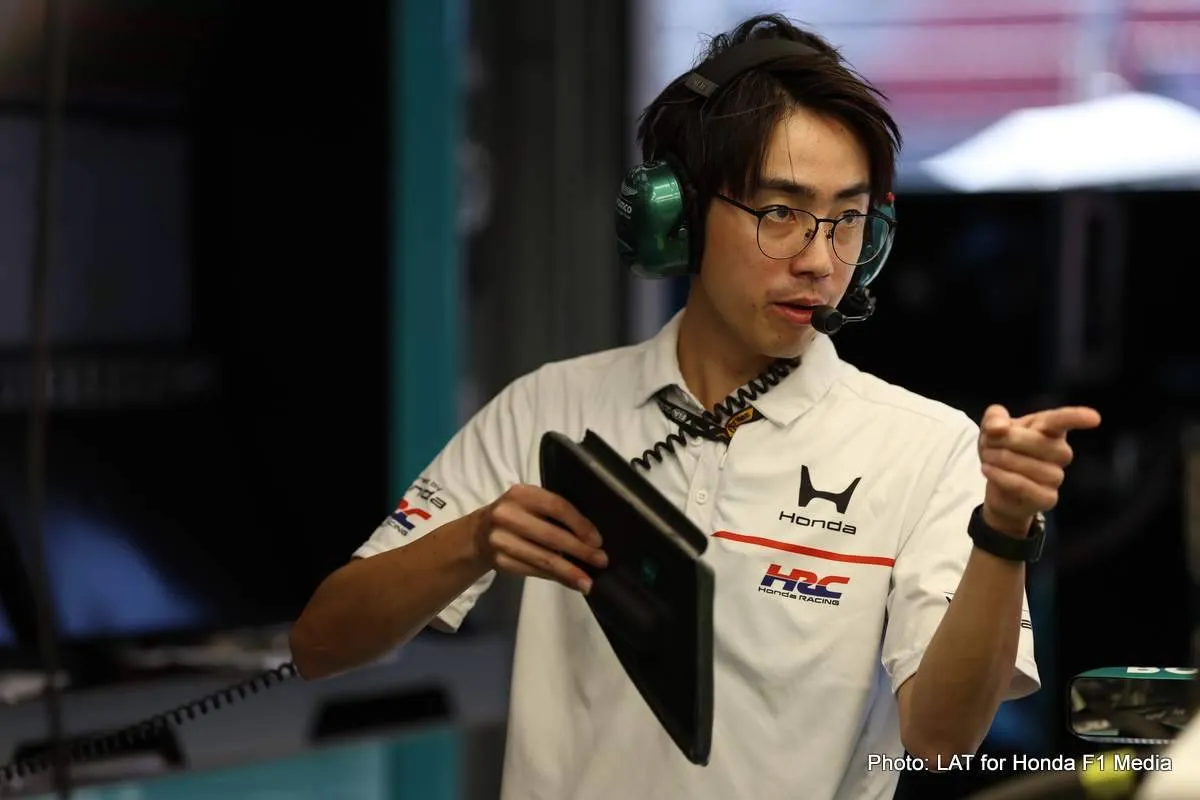
Honda will head into this weekend's Austrian Grand Prix facing one of the first major tests of Formula 1's new power unit regulations, with the high-altitude Red Bull Ring expected to place extra demands on both the turbocharger and internal combustion engine.
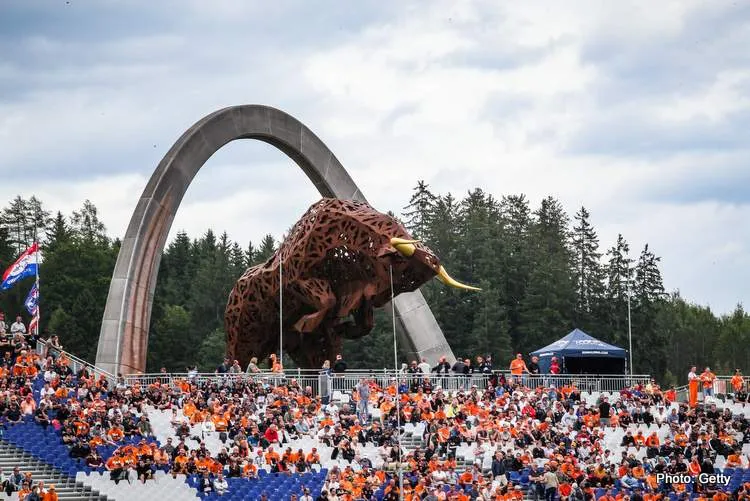
The Spielberg circuit sits high in the Styrian mountains and has historically posed unique challenges for manufacturers due to the thinner air, which forces turbochargers to work harder than at lower-altitude venues.
Honda Trackside General Manager and Chief Engineer Shintaro Orihara explained that the removal of the MGU-H under the 2026 regulations has added a new layer of complexity.
Orihara said: "The Red Bull Ring is in the mountains, located at a high altitude. This means that the turbocharger is required to work harder compared to other races.
"When we had the MGU-H, we had an impact on the harvesting power at this circuit. However, as this component is no longer part of the 2026 regulations, we no longer have the MGU-H to assist the turbocharger, which may make it more challenging to operate both the turbocharger and the engine correctly at high altitude.
"The first thing we will do in FP1 is to check the behaviour of both the turbocharger and the engine," the Honda F1 boss pointed out.
The Austrian Grand Prix will also take place in warm summer conditions, adding further pressure on cooling systems throughout the field.
"Moreover, this week, we will expect high temperature at the track so cooling will also be an important topic to factor in," Orihara added.
Despite being one of the shortest laps on the Formula 1 calendar, the Red Bull Ring features three significant straights that place a premium on power unit performance.
That could expose weaknesses in Honda's package relative to its rivals, Orihara went on: "Another characteristic of the circuit is its short layout. Despite its length, there are three fairly significant straights, and these are a demand on the power unit.
"The reality is that we may see a deficit here to other PU manufacturers, but we will adapt elements like our energy management strategy and driveability to maximise our package for the weekend."
Honda's candid assessment comes as manufacturers continue to learn the strengths and weaknesses of the all-new 2026 power units.
Austria will provide the first opportunity to evaluate how the revised regulations perform at altitude, with teams and manufacturers expected to gather valuable data throughout the weekend.
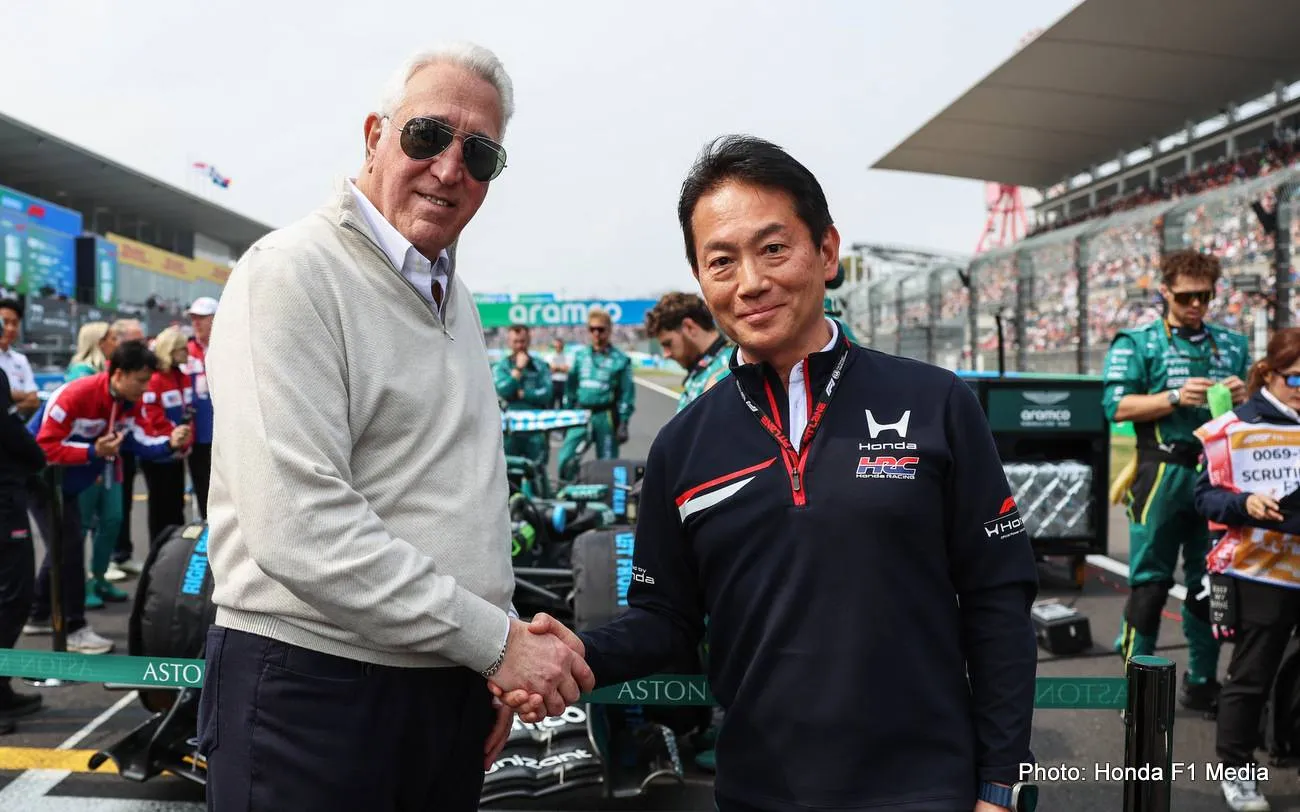
For Honda and its partner team Aston Martin, managing the balance between performance, cooling and energy deployment could prove crucial if they are to minimise any disadvantage on one of Formula 1's most power-sensitive circuits.
Latest News



Loading