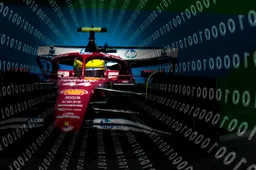
What do Formula 1 Strategy Teams and Online Casinos Have in Common?
F1 Teams NewsWednesday, 03 June 2026 at 02:57
I've been covering Formula 1 long enough to remember when "strategy" mostly meant deciding whether to do one pit stop or two. That was it.
The tyre guy had a feel for the rubber, the race engineer trusted his driver's feedback, and the call was made on instinct and experience as much as anything else.
That world is gone. And watching what replaced it has been, genuinely, one of the more fascinating things I've seen in twenty-odd years of following this sport.
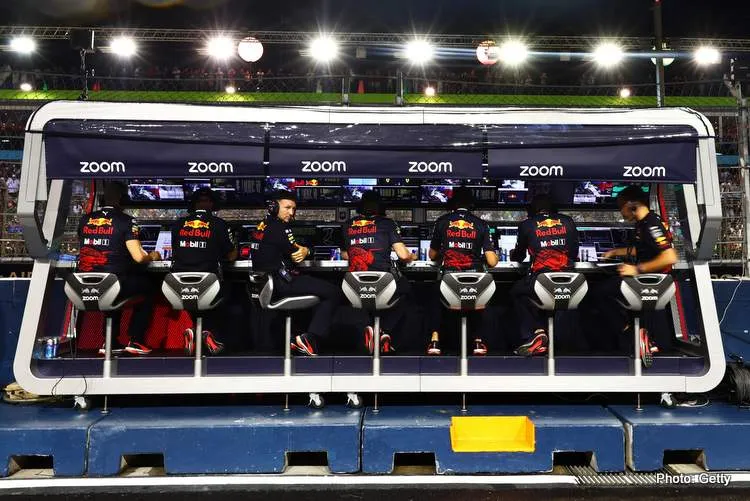
What Actually Happens on a Modern Pit Wall
The numbers thrown around about F1 data are so large they stop meaning anything. A car generates over a gigabyte of telemetry per lap. Fine. But what does that actually look like in practice?
It means that when a strategy engineer at Red Bull or Mercedes is deciding whether to pit on lap 28 or lap 31, they are not going off a gut feeling. They are looking at a degradation curve that updates every few seconds based on the actual tyre temperatures being reported from sensors embedded across the contact patch. They are running that against weather model inputs, against what the cars behind them are likely to do, against fuel-adjusted lap time projections that change every time the driver takes a different line through a corner.
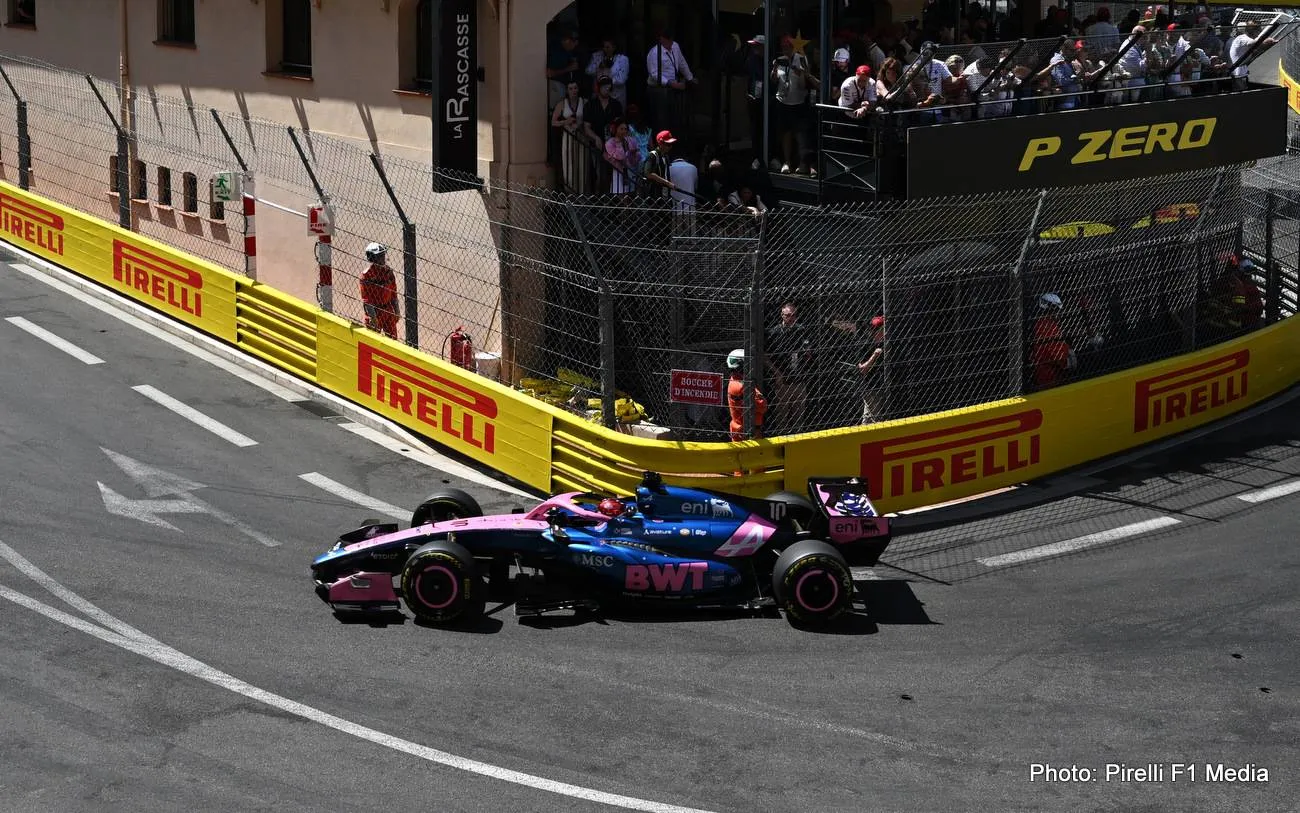
And they still get it wrong sometimes. That is the part people forget. All that data, all that infrastructure, and Monaco 2022 still happens. The model told you something. The race told you something different. This is not a failure of data — it is just a reminder that modelling probability is not the same as predicting outcomes.
Why This Connects to Online Gaming
Here is where it gets interesting, and where I'll admit I was sceptical at first.
I spent some time looking at how licensed online gaming platforms actually operate behind the scenes — the infrastructure side, not the marketing. What I found was structurally closer to an F1 data operation than I expected.
Take variance modelling. Every slot game on a serious platform has a documented volatility profile — how frequently it pays, how large those payments tend to be relative to stake, how the distribution of outcomes behaves over a large sample. This is not secret information. Reputable platforms publish it. And the methodology used to derive it — running millions of simulated sessions to map the probability distribution of outcomes — is the same Monte Carlo approach that F1 teams use when they're stress-testing pit stop strategies before a race weekend.
Platforms like SpinChester sit in this category — licensed operators where the mathematical infrastructure of the games is documented and the RTP figures are not buried in a terms page somewhere but treated as part of how the platform presents itself to players.
That matters. It is the difference between a platform that is comfortable with informed players and one that would prefer you didn't look too closely.
The Part About Human Judgment
The data-versus-instinct tension in F1 strategy is one of the things that makes the sport so compelling to watch if you know what you're looking at.
There's a famous account from a former Williams strategist about a race where every model they had said stay out, the numbers were clear, and the lead engineer overruled it because he had a feeling the tyre was about to go — something in the driver's feedback, a small vibration that wasn't showing up clearly in the telemetry yet. They pitted. The tyre delaminated on the out lap. He was right.
That is not a story about data being useless. It is a story about what data is actually for — it narrows the decision space, it eliminates the obviously wrong answers, and then the human in the room still has to make a call.
Anyone who has played poker seriously will recognise that dynamic immediately. The mathematics of pot odds and expected value gets you to a set of reasonable options. What you do inside that set still involves reading the situation, reading your own state of mind, knowing when variance has just been running badly rather than when something structural is wrong with how you're playing.
The F1 fan who has watched enough races to understand what a two-stop undercut actually requires — the timing, the delta management, the tyre temperature window on the in-lap — is, whether they know it or not, already thinking probabilistically in a way that transfers directly to gaming strategy.
One Thing Worth Saying Directly
I am not going to pretend this piece exists in a vacuum. There is a commercial relationship between outlets like this one and the gaming industry, and anyone with eyes can see that.
But the underlying observation is real: the audience that follows Formula 1 closely is not the same as a general sports audience. They are data-literate in a specific way. They understand that outcomes and decisions are different things. They know what it looks like when someone makes the right call and it still doesn't work out.
That is exactly the mental framework that makes for a sensible relationship with online gaming — one where you understand what you're doing, why the numbers are set the way they are, and what a realistic session looks like. Not chasing losses because the model says you're "due." Not overreading a hot streak as skill when it's variance.
The sport has been teaching its audience to think this way for years. Some of them have noticed the connection. Increasingly, the industry is noticing them back.

Latest News



Loading