Formula 1 team bosses back and trust the FIA's ADUO system for 2026 engines
F1 NewsSaturday, 13 June 2026 at 08:30
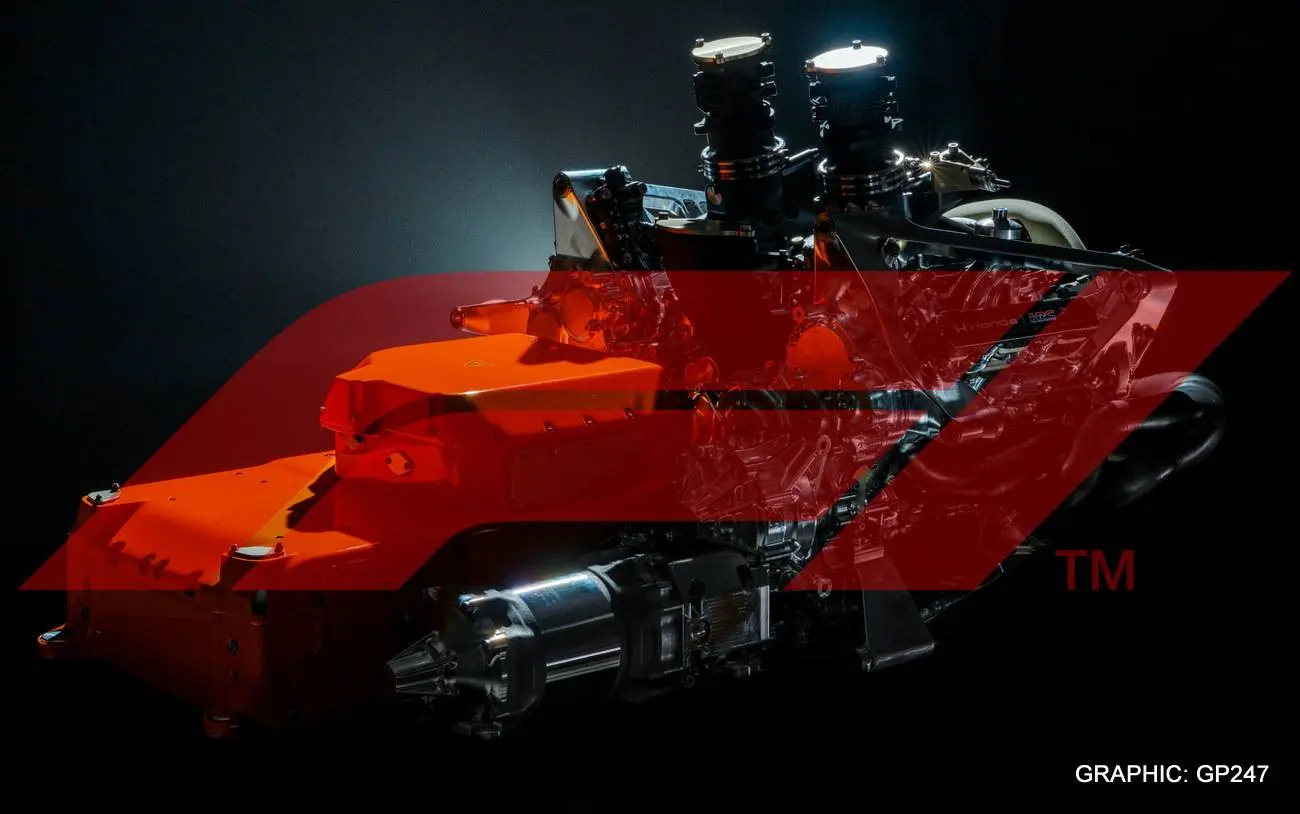
Formula 1 team bosses Toto Wolff and Mattia Binotto have backed the FIA's Additional Development and Upgrade Opportunities (ADUO) system after the first assessments identified Red Bull Ford Powertrains as the benchmark under Formula 1's new 2026 engine regulations.
The ADUO mechanism was introduced as a safeguard to prevent one manufacturer from dominating the sport's new power unit era, allowing those judged to be behind the benchmark to gain extra development opportunities. Mercedes, Ferrari, Audi and Honda-powered teams are all expected to benefit following the FIA's initial analysis.
Speaking during the FIA team principals' press conference in Barcelona, both Wolff and Binotto supported the process while acknowledging the opportunities it creates for manufacturers looking to close the gap.
Wolff said the additional development freedom could prove crucial as the competitive order evolves: "Obviously we're in a different situation than Audi, but a new homologation is definitely something that is helpful, because if you don't get that, there is quite a possibility of being leapfrogged by somebody else who is able to do this.
"We shall see how this pans out over the next term, because we must not forget this is not a frozen situation, but it's going to be looked at every few races and then being judged upon," explained Wolff.
Binotto emphasised that the ADUO assessments focus solely on internal combustion engine performance: "The ADUO is made on assessment of engine power, pure engine power. So, it's not the full power unit, it's not related to energy management, efficiency of the electrical system. It's pure engine power."
The Audi team principal said that makes the development target obvious for manufacturers that have been assessed as trailing the benchmark: "If you have been assessed that you are down in engine power, I think the first where you have to be concentrated and focused is really on engine power. That's certainly where we stand at the moment ourselves as Audi."
Wolff agreed, admitting Mercedes faces a similar challenge: "It's internal combustion engine, as Mattia said. I think it's quite easy to analyse. You can see how much grunt you have from the ICE, and definitely being behind is a challenge for us."
The publication of the first ADUO results sparked discussion across the paddock after Red Bull emerged as the leading manufacturer, but both team bosses dismissed suggestions that the FIA's analysis should be questioned.
FIA methodology receives backing

Wolff defended the process and the data behind the conclusions: "In my opinion, when you speak to Nikolas, it's data that they have measured and collected. There's no political background, there is no favours, but it's the outcome of their analysis of their torque sensors and the way it's being done, and that is the result."
Binotto was equally clear: "There is no doubt on the assessment. We've got proper sensors on the car to measure the delta power."
While supporting the current framework, the Audi boss suggested Formula 1 could eventually consider a different model: "Maybe we should do something very similar to the chassis, where you base it on standings of the previous seasons, because if convergence, if the purpose of convergence is to have a closer field, maybe that's the most straightforward."
Wolff, however, rejected any suggestion that Formula 1 should move towards a Balance of Performance-style system similar to those used in sportscar racing.
The Mercedes chief stressed that ADUO was created as a protective measure: "It was a protection mechanism, how it was intended to be, to avoid the 2014 situation, that one engine manufacturer was having such an advantage and was running away with testing mileage and race results. And that's what it is, and that's how it should be."
He then delivered perhaps the strongest message of the discussion: "I get a rash of allergy when talking about BoP. This is something that we should stay far away from Formula 1. It's a political mess in all the other series. If there is a mechanism that consists of fine tuning in order to make sure that nobody's embarrassed on the power unit side, I think that's the right way to go."
With Red Bull Ford Powertrains currently holding benchmark status and rival manufacturers receiving additional development opportunities, the effectiveness of the ADUO system will become one of the key stories of Formula 1's new engine era as the FIA continues its regular assessments throughout the season.

Latest News



Loading