Why Formula 1 technology is a state of the art engineering marvel
F1 NewsWednesday, 03 June 2026 at 01:38
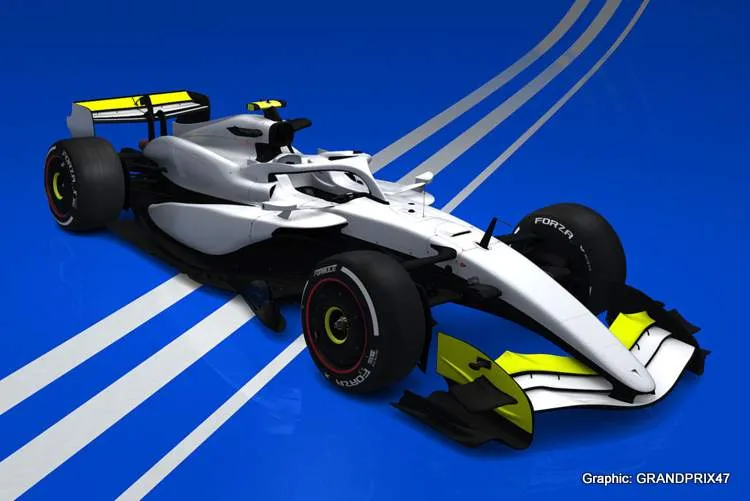
Formula 1 has always chased speed in the tiniest details, but the technology behind the sport today is on another level.
Cars now shoot out millions of data points every weekend, and fans can follow live strategy calls as they happen. Formula 1’s become a tech showcase reaching far beyond racing itself.
If you watch F1 thinking it’s just fast cars going in circles, you’re really missing what’s going on. Each F1 car spits out about 1.1 million data points every second during a race weekend. That number alone says everything about how much things have changed. What started as a mechanical sport is now closer to a supercomputer doing 300km/h laps.
And the audience isn’t the same either. Every season, Formula 1 pulls in over 1.5 billion TV viewers worldwide, and digital engagement has exploded with apps, onboard cameras and real-time data dashboards.
Modern F1 cars are basically labs on wheels wrapped in carbon fibre. Just look at aerodynamics. Teams throw around 70% of their development budget into this alone. They run thousands of wind tunnel tests and CFD simulations just to slice off a fraction of a second. You might not even notice a front wing tweak with your own eyes, but that subtle change could mean two or three tenths faster per lap, which in F1 is huge.
Betting, data and the new way fans engage

And then there’s weight. Rules in 2026 has set a minimum of about 768kg with the driver inside. Engineers wage a constant battle against the scales, all while packing in safety systems, hybrid components and more structure.
Even tyres get treated like high-value patients. Temperature, pressure and wear rates, these all get tracked in real time. If a tyre runs just ten degrees too hot, speed drops off fast. That’s why pit strategy can feel like a high-stakes chess game.
One of the coolest shifts for fans? How data-driven coverage drives betting. With so much real-time info, fans are far from just guessing the winner. They’re analysing pit windows, tyre strategy and qualifying trends to bet smarter.
That’s where sites like online betting sites in Norway fit in. It’s a one-stop shop for sports betting fans; they lay out detailed reviews, ratings and info about betting sites, so users make smarter picks. They offer comparisons, insights and educational content, too.
It’s part of a bigger trend in F1 fandom. Folks aren’t just watching passively. They’re breaking down the action, comparing strategies and using live data, kind of like the teams, just with simpler tools.
Data has become the real battleground

The biggest leap in tech lately came with hybrid power. Now, F1 engines grab energy that used to go to waste. During braking, the MGU-K system can harvest up to 2 megajoules per lap, and there’s even more from exhaust heat recovery.
Put it together and you get about 160 horsepower of electrical boost every lap. That burst is what lets drivers attack or defend at the perfect moment.
The wild part about F1 now? Races don’t just get won on track. They get won in the data room. Each car beams data from around 300 sensors to engineers in real time; things like brake pressures, steering angles, suspension movement, energy deployment and even airflow readings.
Before a race, teams simulate millions of scenarios for strategy. Deciding when to pit is no guessing game anymore. It comes from predictive models that factor in tyre wear, traffic and the weather.
Artificial intelligence (AI) is already a tool in F1, even if teams don’t make a big deal out of it. Machine learning models predict tyre life better than old-school methods. They help simulate qualifying laps by merging past driver data with current track conditions.
Some teams use AI to fine-tune car setup before the car even leaves the garage. Suspension, wing angles and energy maps, these all get pre-optimised using past data.
Fan experience has changed much like the cars

F1 isn’t just a paddock sport now. It’s a digital world. About 60% of fans get their F1 fix from digital platforms instead of just TV. The official app alone gives you live timing, tyre data, sector breakdowns and even onboards.
You can literally watch a race and track throttle and brake inputs live. That kind of access was unimaginable fifteen years ago.
Formula 1 now isn’t just about pure driving; it’s about how a team brings together engineering, data and split-second choices.
The engines still roar, but it’s the quiet hum of servers, simulations and live data feeds that really shape modern F1. This sport hasn’t just kept pace with technology, it’s become one of its biggest driving forces.
Latest News





Loading